Brewer’s Yeast for Dogs: Use, Safety, and What the Evidence Says


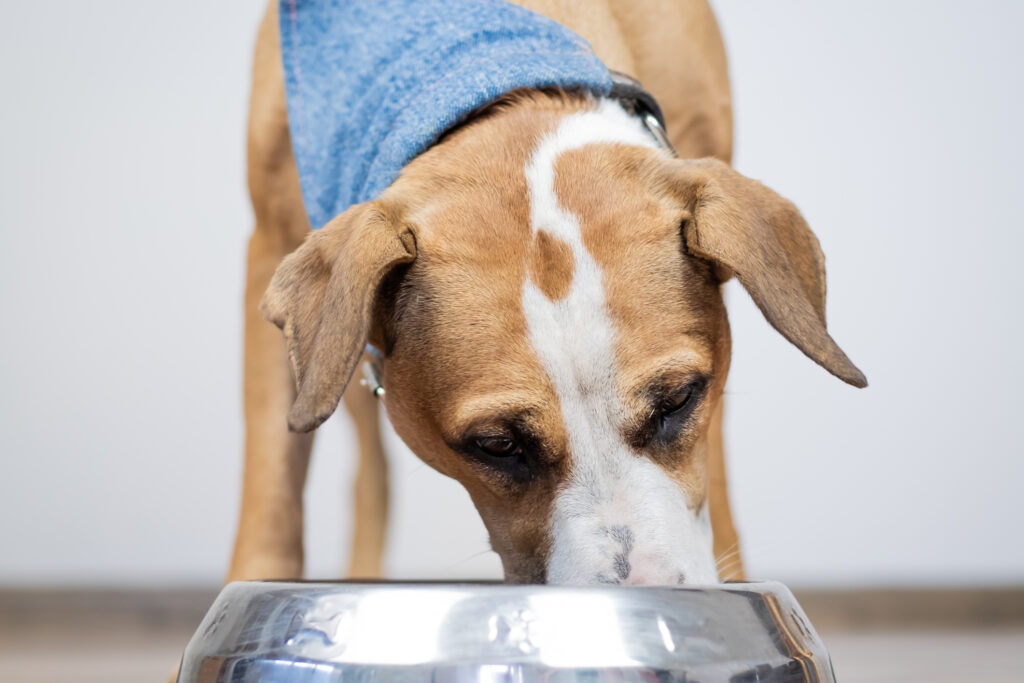
Photo by photoboyco/istock/getty images plus
Brewer’s yeast is a dietary supplement derived from the Saccharomyces yeast. It’s sometimes recommended to support skin and coat health or to help repel fleas. However, evidence related to its benefits is limited and it should not solely be relied on for flea prevention.
Brewer’s yeast products can vary significantly. Here’s what pet parents should know about brewer’s yeast for dogs, including how it can be used safely, what the evidence says, and when a veterinarian might recommend it.
Key Takeaways
- Brewer’s yeast has not been shown to repel or kill fleas, and it should not be used as a substitute for veterinarian-recommended flea and tick prevention.
- Studies have shown that evidence for other benefits in dogs is limited, and product ingredients in brewer’s yeast are inconsistent.
- Some research in dogs using Saccharomyces yeast preparations found changes in stool bacteria, but this doesn’t necessarily translate into clinical benefits.
- Side effects can vary by dog and product, so always consult your veterinarian before giving your dog brewer’s yeast, especially if your dog has a sensitive stomach or allergies.
Can Dogs Take Brewer’s Yeast?
Brewer’s yeast can be used in dogs, but whether brewer’s yeast is appropriate for your dog depends on the product and your dog’s health history. Different brewer’s yeast products contain different yeast forms and blends, so it’s best to ask your vet before starting one. Since brewer’s yeast doesn’t provide any necessary nutrients that dogs need, it’s best to treat it as an optional addition rather than an essential part of their diet.
Ask your veterinarian before giving brewer’s yeast if your dog:
- Has a sensitive stomach or a history of vomiting, diarrhea, or gas
- Has food sensitivities or frequent skin and ear flare-ups
- Is pregnant, nursing, very young, or a senior with multiple health conditions
- Takes any medications or other supplements
How Does Brewer’s Yeast Work in Dogs?
Brewer’s yeast is sometimes discussed as a natural alternative for flea control. However, studies have shown that it does not repel or kill fleas on dogs, so it should not be used to prevent or treat flea infestations.
Studies have also focused on how Saccharomyces yeasts (and their derivatives) affect intestinal bacteria. Some studies in healthy dogs report a change in intestinal bacteria during diet changes or other challenges. While these findings are interesting, they don’t establish clear benefits in dogs.
Benefits of Brewer’s Yeast in Dogs
Despite interest from pet parents in brewer’s yeast, there aren’t clear, proven benefits, and much of the existing research used different yeast types and doses, making it hard to recommend any single formulation of yeast as superior.
If you’re trying to solve a specific problem, vet-guided options usually make more sense than guessing with a supplement. To prevent fleas or ticks, you are best off using proven, veterinarian-recommended parasite prevention. Be sure to follow the label directions exactly.
For itching, ear issues, or skin flare-ups, ask your vet about common causes, like allergies, infections, or parasites, and the right diagnostic steps. It is better to treat the specific cause of your dog’s problem rather than trying to treat it yourself.
If your dog has digestive upset, your vet may recommend a diet change or a probiotic with proven benefits rather than a general ingredient such as brewer’s yeast.
Recommended Products
Potential Side Effects of Brewer’s Yeast in Dogs
Potential side effects depend on the individual dog and what’s included in the product—for example, whether it contains brewer’s yeast alone or a blend with other ingredients. In one study, Saccharomyces did not cause vomiting or diarrhea in healthy dogs. That said, your dog’s real-world experience may be different.
If you decide to use brewer’s yeast for your dog, contact your veterinarian if you notice any of the following:
- Vomiting, diarrhea, or significant gas that doesn’t quickly improve
- Itching, hives, facial swelling, or other signs of an allergic reaction
- Any sudden change in behavior, appetite, or energy
How to Give Your Dog Brewer’s Yeast
Brewer’s yeast comes in powders, tablets, chews, and multi-ingredient products for skin, coat, or digestion. Because products vary so much, the safest approach is to choose a dog-specific product and read the full ingredient list. It’s also important to talk with your veterinarian before adding any new supplement to your dog’s routine.
If your vet thinks brewer’s yeast is a good idea for your dog, follow these tips:
- Choose a product made for dogs, not a human supplement repurposed for pets.
- Avoid starting multiple supplements at the same time. If something upsets your dog’s stomach, it will be difficult to tell what caused it.
- If your goal is flea control, skip using brewer’s yeast as a home remedy and use a proven, vet-recommended product instead.
There is no one-size-fits-all dose for brewer’s yeast. Dosing varies by your dog’s weight, the product’s formulation and concentration, and why it’s being used. Your veterinarian can help you decide whether brewer’s yeast is appropriate and how much to give.
What to Do If Your Dog Takes Too Much Brewer’s Yeast
If your dog gets into a container of brewer’s yeast, treat it like any supplement accident. Most importantly, call your veterinarian immediately for guidance—especially if your dog is vomiting, has diarrhea, or seems to be in pain or restless.
Frequently Asked Questions
Does brewer’s yeast prevent fleas on dogs?
No. Research has shown that brewer’s yeast does not repel or kill fleas, so it shouldn’t be used for flea prevention.
Is brewer’s yeast the same as a probiotic?
Not exactly. Probiotics contain microorganisms that are beneficial for the GI tract. While some brewer’s yeast products contain yeast that may affect intestinal microorganisms, products vary and may contain different ingredients.
Can brewer’s yeast upset my dog’s stomach?
Although brewer’s yeast doesn’t typically cause an upset stomach, GI upset is possible any time you add something new to your dog’s diet. If you notice vomiting, diarrhea, or behavior changes, stop the supplement and call your vet.
Should I talk to my vet before starting brewer’s yeast?
Yes. Your vet can help you choose a product and decide whether it makes sense for your dog’s needs, especially if your pup has allergies or tummy trouble.
Attributions
This article was created with assistance from AI tools. The content has been reviewed for accuracy and edited by a human.