Hookworms in Dogs: Signs, Treatment, and More


Photo by Chewy
If your dog has black, tarry diarrhea, weight loss, or seems more tired than usual, hookworms could be the cause. Hookworms in dogs are blood-feeding intestinal parasites that attach to the lining of the small intestine and can cause anemia, especially in puppies.
Puppies, stray dogs, hunting breeds, and dogs in crowded or unsanitary conditions are at the highest risk for hookworm disease. Hookworms are also zoonotic, meaning they can spread to people and cause skin irritation.
Here’s what pet parents need to know about hookworms in dogs—and how to prevent them.
Key Takeaways
- Hookworms in dogs are blood-feeding intestinal parasites that can cause anemia, especially in puppies.
- Common hookworm symptoms in dogs include black diarrhea, weight loss, pale gums, and lethargy.
- Hookworm disease in dogs is treated with veterinarian-prescribed dewormers, such as fenbendazole or pyrantel pamoate.
- Monthly parasite prevention and prompt feces removal help prevent hookworms in dogs and reduce human risk.
What Are Hookworms in Dogs?
Hookworms are microscopic parasites that live in the small intestine of dogs. These tiny parasites:
- Have a hook-like mouthpart that attaches to the intestinal lining and feed on blood
- Are usually 2 centimeters or less in length
- Can live in a dog’s small intestine for up to 24 months
What Causes Hookworms in Dogs?
Dogs can get hookworms in several different ways:
- Ingestion of larvae: Dogs may accidentally ingest larvae while grooming themselves, eating contaminated soil, or consuming prey animals—such as rodents (mice and rats), rabbits, or birds—that contain larvae. After hookworm larvae are ingested, they migrate to the small intestine, where they mature into adults, attach to the lining, and begin feeding on blood.
- Skin penetration: Larvae can penetrate a dog’s skin, often through the paws or belly, after contact with contaminated soil. The larvae travel through the bloodstream to the lungs, are coughed up and swallowed, and eventually reach the small intestine, where they mature and attach.
- Nursing from an infected mother: Some hookworm larvae can become trapped in muscle or fat. During pregnancy or nursing, these larvae can travel to the mammary glands and be passed to puppies through milk.
- Environmental contamination and reinfection: Once the larvae are in the small intestine, they lay eggs that are passed into the feces. These eggs hatch in the environment, contributing to soil contamination and increasing the risk of infection for other dogs who are exposed.
Hookworm Symptoms in Dogs
Dogs with hookworms experience various symptoms, ranging from mild to severe, depending on how much blood loss has occurred and your dog’s age and overall health. They may include:
Mild to moderate symptoms:
- Occasional diarrhea
- Lethargy
- Difficulty gaining weight
- Dull fur
Less common symptoms:
- Coughing
- Itchy, red skin
Severe symptoms (especially in puppies):
- Pale, dry gums
- Black, tarry diarrhea
- Severe anemia
- Weakness
- Collapse
- Weight loss
- Vomiting
- Sudden death
If you see these symptoms in your dog, contact your veterinarian, who can diagnose hookworms with a simple fecal test, including microscopic examination, antigen testing, or PCR (polymerase chain reaction) testing that detects hookworm DNA in the stool.
How To Get Rid of Hookworms in Dogs
Hookworms in dogs are treated with prescription dewormers prescribed by a veterinarian, such as:
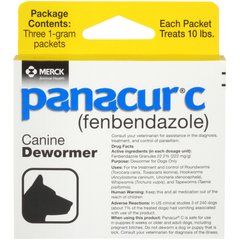
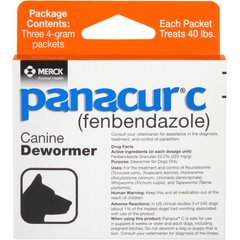
- Fenbendazole, like Panacur C
Recommended Product
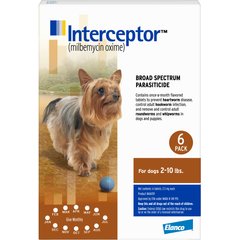
- Milbemycin oxime, like Interceptor Plus
Recommended Product
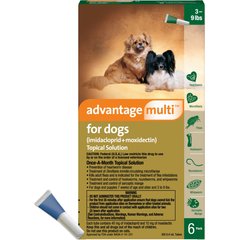
- Moxidectin, like Advantage Multi
Recommended Product
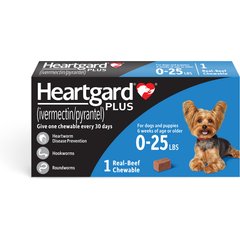
- Pyrantel pamoate, like Heartgard Plus
Recommended Product
Always speak to your veterinarian before giving your dog any medication.
In severe cases, especially in sick puppies, supportive care and hospitalization may also be required. This might include:
- Intravenous (IV) fluids
- Iron supplementation
- Blood transfusions
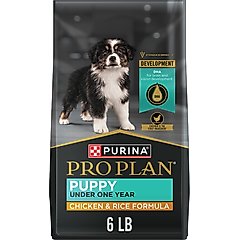
- Nutritional support, such as a feeding tube
Recommended Product
How To Prevent Hookworms in Dogs
Pet parents can take steps to prevent hookworm infections in their dogs and puppies, which include:
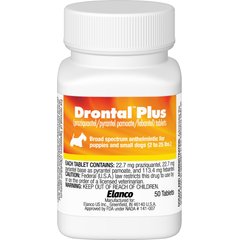
- Early puppy deworming: Frequently deworm puppies starting at 2–3 weeks of age with a broad-spectrum deworming medication, like pyrantel pamoate or Drontal Plus.
Recommended Product
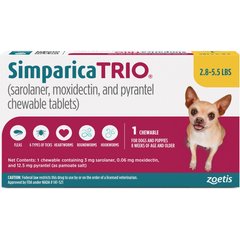
- Monthly parasite prevention: Keep your dog on a veterinarian-recommended monthly parasite preventive, such as Heartgard Plus or Simparica Trio.
Recommended Products
- Routine veterinary testing: Ensure regular veterinary care, including fecal testing as recommended by your veterinarian.
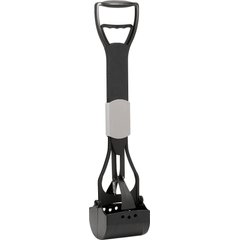
- Prompt yard cleanup: Pick up poop in your yard right away to reduce environmental contamination.
Recommended Products

- Maternal treatment: Treat pregnant and nursing mother dogs with dewormers, such as Panacur C, prescribed by the veterinarian.
Recommended Product
FAQs About Hookworms in Dogs
Is hookworm contagious in dogs?
Yes, hookworms are highly contagious among dogs. Hookworm larvae can spread from mother to puppy through nursing and in dogs after exposure to contaminated feces or soil.
What do hookworms look like in dogs?
Hookworms are microscopic parasites that are no more than 2 centimeters long. They have a hook-like mouthpart that allows them to attach to the small intestinal lining of dogs.
Do I need to clean my house if my dog has hookworms?
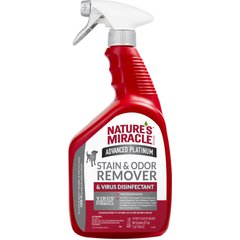
Yes, you should clean your dog’s bedding and blankets in hot water as well as vacuum carpets and disinfect hard surfaces frequently. Outside, promptly remove any feces in your yard as well.
Recommended Product
How long does it take to get rid of hookworms in dogs?
With proper veterinary treatment, most hookworm infections clear within about a month. Your veterinarian will likely recommend a follow-up fecal test to make sure the parasites are gone and determine whether another round of medication is needed.