Milk Thistle for Dogs: Benefits, Safety, and How to Use It


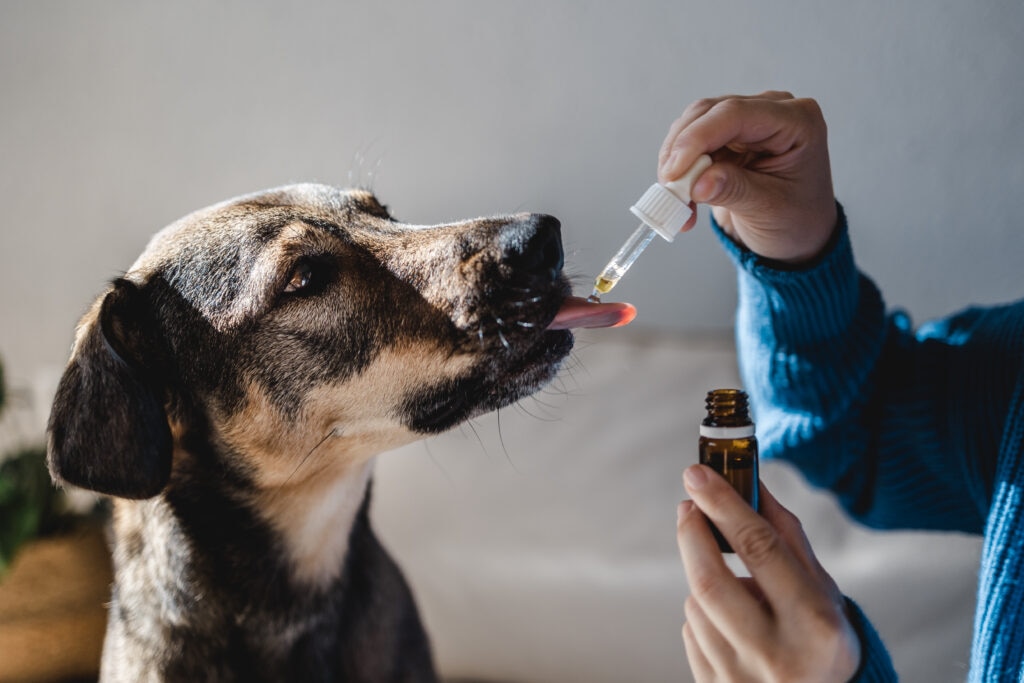
Photo by Vanessa Nunes/iStock/Getty Images Plus
Milk thistle is an herbal supplement derived from the plant Silybum marianum that vets sometimes recommend to support liver health in dogs. In general, milk thistle is not considered an everyday supplement for dogs and is best used under veterinary guidance, usually after abnormal liver testing results.
It is often combined with other ingredients like black pepper and marketed as a general liver-support supplement.
Key Takeaways
- Milk thistle has been associated with improvement in liver test results in some dogs when used with veterinary guidance.
- Short-term studies in dogs found no major concerns with digestion or routine blood work.
- Side effects are usually mild, such as an upset stomach. However, milk thistle can interact with some medications, so it’s important to let your vet know if your dog is taking it.
- Since milk thistle products can vary widely in strength and ingredients, your veterinarian can help you choose one that’s appropriate for your dog.
Can Dogs Be Given Milk Thistle?
Yes—dogs can be given milk thistle supplements, but it’s best done with veterinary guidance. Research on milk thistle has been performed in both healthy dogs and dogs with liver-related problems.
Because milk thistle products vary in type, concentration, and added ingredients, your veterinarian can help determine whether milk thistle is appropriate and select a safe option—particularly if your dog takes other medications or has ongoing medical issues.
How Does Milk Thistle Work in Dogs?
Milk thistle contains an extract called silymarin. The main active component of silymarin is silybin (sometimes called silibinin). This compound is known for its antioxidant properties, meaning it may help protect cells from certain types of damage.
In simple terms, your dog’s liver is a hardworking filter, removing toxins from the body. When it’s under stress, your veterinarian may look for ways to support it while also treating the underlying cause. Milk thistle is one tool that may be used as part of a larger treatment plan.
Benefits of Milk Thistle in Dogs
Milk thistle may support improved liver function in some dogs.
- Some studies in dogs with liver conditions have found that supplements containing silybin improved liver test results.
- Another study in overweight dogs used a multi-ingredient supplement that included milk thistle extract. Although changes in test results were reported, milk thistle alone can’t be credited because the supplement contained other ingredients.
Milk thistle may be one supportive tool your veterinarian uses while working to identify and treat the underlying cause of elevated liver values. It’s typically considered part of a broader plan—not a stand-alone solution.
Short-term use appears to be well tolerated in dogs, as one study of healthy adult dogs showed that supplementation with silybin did not negatively affect digestion or routine blood tests. However, that doesn’t automatically mean it’s appropriate for every dog—especially puppies, senior dogs, pregnant or nursing dogs, or those with other medical conditions.
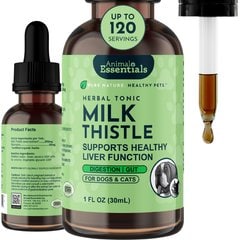
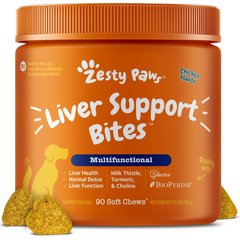
Recommended Products

Potential Side Effects of Milk Thistle in Dogs
Most side effects reported in dogs are mild, but they’re still important to watch for. Effects could include soft stool, gas, or a sensitive stomach. If your dog already has GI issues, ask your vet before starting any new supplement.
Drug interactions are also possible. Milk thistle may affect how the liver processes certain medications. While significant interactions aren’t common, your veterinarian will want to review your dog’s medication list—especially if your dog takes long-term prescriptions or drugs that require careful dosing.
Talk to your vet before using milk thistle if your dog:
- Takes long-term medications that are processed by the liver
- Takes anti-seizure medication
- Has multiple chronic conditions and is on several prescriptions
- Is pregnant, nursing, very young, or a senior dog
How to Give Your Dog Milk Thistle
Milk thistle comes in several common forms, including liquids, tablets, capsules, and soft chews. Many products also contain other ingredients meant to support liver health.
Because the right amount can vary, it’s best not to choose a dose on your own. Several factors can influence the correct dose, including:
- Your dog’s size and overall health
- Product concentration
- The type of extract used and how well it is absorbed
A good idea is to bring the exact product you’re considering (or a photo of the label) to your veterinarian. They can help you decide whether it’s a good choice for your dog and make sure it won’t interfere with other medications.
Your vet may monitor your dog’s lab work and adjust the plan based on the results.
What to Do If Your Dog Takes Too Much Milk Thistle
If your dog gets into a supplement container or receives more than the recommended amount, contact your veterinarian for advice. Here’s what you should do right away:
- Call your veterinarian for guidance.
- If you can’t reach a vet, contact Pet Poison Helpline at 855-764-7661 for urgent, expert support.
- Have the product label handy so you can share the ingredients and strength.
- Watch for vomiting, diarrhea, drooling, lethargy, or any behavior that seems unusual.
Even though milk thistle is often well tolerated, overdoses can still cause GI upset—and combination products may contain other ingredients that change the risk.
Frequently Asked Questions (FAQs)
Is milk thistle safe for dogs?
Short-term studies in healthy dogs suggest that silybin (a key component of milk thistle) was well tolerated in controlled settings. However, whether it’s appropriate for your dog depends on their overall health and any medications they’re taking. It’s best to check with your veterinarian first.
Can milk thistle cure liver disease in dogs?
No. Milk thistle is not a cure for liver disease. Research suggests it may help support certain liver blood work values, but it’s best used as part of a veterinary treatment plan—not as a replacement for medical care.
How long does milk thistle take to work in dogs?
Potential changes are typically tracked through follow-up lab work over time. Your vet will let you know when to have your dog rechecked.
Can I give my dog milk thistle that’s meant for humans?
Talk to your veterinarian before using a human product. Strength, formulation, and added ingredients can vary widely, and some flavorings or sweeteners may not be safe for dogs.
Should I use milk thistle if my dog is on other medications?
Ask your veterinarian first. Milk thistle can interact with how the liver processes certain drugs.
Attributions
This article was created with assistance from AI tools. The content has been reviewed for accuracy and edited by a human.