Mushroom Supplements for Dogs: Do They Work?


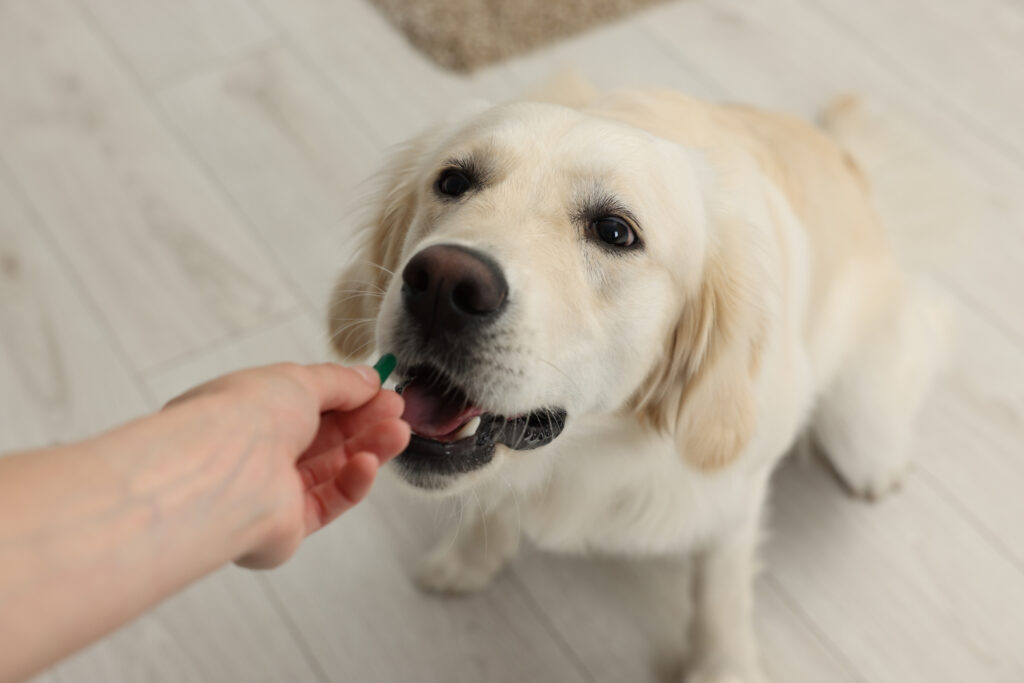
Photo by Liudmila-Chernetska/iStock/Getty Images
Mushroom supplements are products made from the extracts of certain mushroom species. Sometimes referred to as functional mushrooms because of their ability to interact with the immune system, these supplements are gaining popularity among humans for general wellness, immune boosting and digestive support.
Research in dogs, however, is limited. In most cases, health claims tied to mushrooms for dogs are extrapolated from human studies. Also, dogs should never be given wild mushrooms, since many species can be poisonous.
If you’re considering a mushroom supplement for your dog, talk with your veterinarian first to see if they think it’s a good idea.
Key Takeaways
- Mushroom supplements are sometimes used in dogs for general wellness or for support of normal immune and digestive function, as well as supportive care for a certain type of cancer.
- Research in dogs is limited and inconclusive, so mushroom supplements should be used cautiously.
- The quality of mushrooms can range from product to product, so it’s always best to follow your vet’s guidance when choosing a product.
- Ingestion of wild mushrooms can cause serious poisoning, so never let your dog eat mushrooms.
- If you are considering a mushroom product, ask your veterinarian first, especially if your dog is on medication or has a health condition.
Can Dogs Take Mushroom Supplements?
Some dogs may be able to use a mushroom supplement if a veterinarian thinks it’s appropriate. However, there are many different types of mushrooms, and different species can cause different effects.
Studies and case reports show that mushroom ingestion can lead to effects ranging from mild stomach upset to severe poisoning, and early identification of mushroom exposure—especially the type involved—can help guide treatment.
Because of the risk of side effects and quality differences between various mushroom products, these should be given only after a vet’s recommendation, especially if your dog has a history of supplement sensitivity, a chronic illness, or if they take medication.
How Do Mushrooms Work in Dogs?
Mushroom supplements can include different species, such as turkey tail, shiitake, maitake, and reishi, which contain compounds such as beta-glucans, polysaccharides, terpenes, and antioxidants.
Researchers have looked at how specific mushroom products affect immune function and gut microbes in healthy adult and senior dogs. Although the results are interesting, they don’t prove that regular use of mushroom supplements creates a dependable health benefit for dogs.
Benefits of Mushrooms in Dogs
Some of the strongest evidence supporting mushroom use in dogs is related to turkey tail mushrooms and a type of cancer called hemangiosarcoma. An initial study out of the University of Pennsylvania found that dogs with hemangiosarcoma had longer survival time after being given turkey tail mushrooms. Later studies, however, failed to back up these results.
Other benefits to mushrooms are mostly extrapolated from human research showing that mushroom extracts can help regulate a healthy immune system, support healthy digestion, support cognitive health in aging dogs, and provide a boost of antioxidants.
With the limited information available, mushroom supplements should be used cautiously. If you’re considering a mushroom supplement for your dog, ask your vet whether a specific product is appropriate for your dog’s overall diet, health history, and medicine list.
Recommended Products
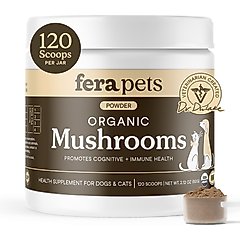
Potential Side Effects of Mushrooms in Dogs
The biggest safety risk is accidental exposure to a toxic wild mushroom. Mushroom poisoning can lead to gastrointestinal upset and, depending on the species, other serious problems, such as liver, neurologic, or kidney issues.
If your dog is taking a mushroom extract, watch for digestive upset, unusual sleepiness, or any behavior change, and stop giving it if your dog seems off.
Most importantly, don’t assume all mushrooms are alike. The wrong mushroom can be dangerous, and rapid identification of exposure can help a veterinarian decide how to respond.
How to Give Your Dog Mushroom Supplements
If your veterinarian recommends a mushroom supplement, use only a dog-specific product and follow their directions. Don’t assume a human supplement is safe for dogs, because the mushroom species, formulation, and quality can impact the supplement’s effects.
Never let your dog eat wild mushrooms from your yard or while you’re on a walk or hike.
If you want to try giving your dog a mushroom supplement, take the full product name, ingredient list, and the reason you are considering it to your vet so they can review whether it fits your dog’s situation.
What to Do If Your Dog Takes Too Much Mushroom Supplement
If your dog eats too much of mushroom supplement or if you think they ate a wild mushroom, call your veterinarian, an emergency hospital, or Pet Poison Helpline (855-764-7661) right away. If you can do so safely, take a photo of the mushroom or bring a sample with you.
Early signs of mushroom poisonings can include vomiting or drooling, and can quickly become more serious, depending on the species. Don’t wait to see if symptoms develop or improve on their own, because some mushrooms species can cause serious effects.
FAQs About Mushrooms for Dogs
Do mushroom supplements work for dogs?
Maybe. A few small studies in dogs suggest possible changes in immune function or gut microbes, but it’s still too early to consider mushroom supplements a proven health booster.
Are mushroom supplements safe for dogs?
Some veterinarian-recommended mushroom products may be safe in dogs, but safety depends on the mushroom species and the product itself. Unfortunately, safety data for many supplement products in dogs is still limited.
Should I give my dog a mushroom supplement without asking my vet?
No. Because different mushroom species can have different effects, it’s best to check with your veterinarian first.
Attributions
This article was created with assistance from AI tools. The content has been reviewed for accuracy and edited by a human.