Can Chickens Eat Potatoes?


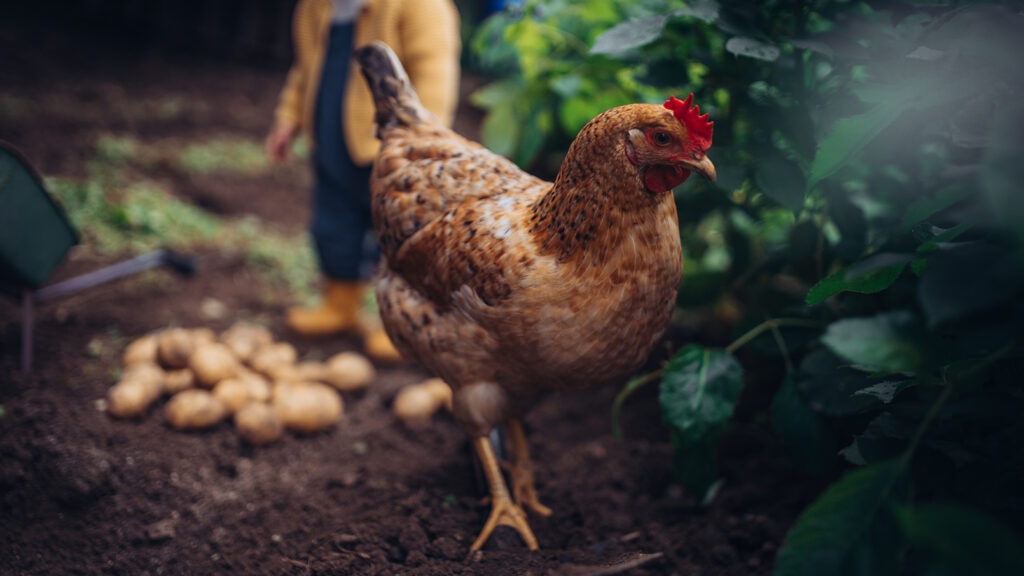
Photo by Halfpoint/iStock/Getty Images Plus via Getty Images
A dropped french fry can quickly attract a flock, but not every potato belongs in the treat bucket. So, can chickens eat potatoes? It depends on the type.
Plain, cooked potatoes are generally fine in moderation. But green potatoes, fried potatoes, and loaded potato dishes can create problems that aren’t worth the risk. Here’s everything flock owners should know.
Before introducing any new food into your chicken’s diet, always check with your veterinarian.
Key Takeaways
- Yes, chickens can eat plain, cooked potatoes in moderation.
- Potatoes aren’t a particularly nutritious snack—they’re more of a filler food.
- Avoid raw or green potatoes, sprouts, fried potatoes, and rich potato dishes.
- Make sure potatoes don’t replace a complete feed.
Can Chickens Have Potatoes?
Yes, chickens can have potatoes when they’re plain, cooked, and given in moderation.
A few bites of baked potato, boiled potato, or mashed potato without butter, salt, or other add-ins are fine to add to the treat rotation.
But avoid raw or green potatoes, green peels, and potato sprouts. They contain solanine, a naturally occurring toxin that can be harmful to chickens. It’s also best to avoid fried potatoes because they’re high in fat and often loaded with salt or seasonings that don’tbelong in a chicken’s diet.
Potatoes are filling, though, so they shouldn’t crowd out the complete feed your chickens depend on for balanced nutrition.
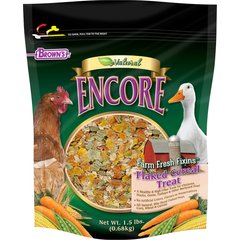
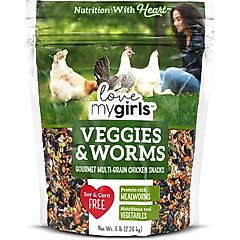
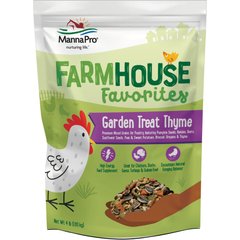
If you’d rather reach for something made for your flock instead, here are some chicken treats that include more nutrient-rich vegetables:
Recommended Products
Are Potatoes Good for Chickens?
Potatoes aren’t exactly a superfood for chickens, but plain, cooked potatoes can offer a few small upsides in moderation, including:
- A quick source of energy: Potatoes contain carbohydrates, which can give chickens a quick source of calories.
- An easy-to-eat texture: Soft, cooked potatoes are easy for most adult chickens to peck apart and swallow, making them a simple snack for birds.
- A change from the usual menu: While potatoes shouldn’t become a daily treat, a few plain bites can add some variety and enrichment for your flock.
That said, potatoes are more of a filler than a nutritional standout. They don’t provide the balanced protein, vitamins, and minerals chickens get from a complete feed, and they can’t compete nutritionally with many other vegetables commonly offered as treats.
Are Potatoes Bad for Chickens?
Overall, potatoes are pretty low risk, but they can create problems when they’re raw, green, spoiled, or loaded with toppings.
Here are the biggest concerns:
- Potatoes that have gone green: When potatoes turn green or start sprouting, they can develop higher levels of naturally occurring compounds called glycoalkaloids, including solanine. These compounds can be toxic to chickens and may lead to symptoms such as digestive upset, weakness, lethargy, and, in severe cases, neurological problems.
- Too many toppings: Butter, cheese, sour cream, bacon bits, onion, garlic, and other toppings may make potatoes more appealing to people, but they don’t belong in a chicken’s diet. What starts as a simple potato can quickly become a much riskier snack.
- The wrong cooking method: French fries and fried potatoes are high in fat and often loaded with salt. They’re much harder on a chicken’s digestive system than a few bites of plain, cooked potato and more likely to cause loose droppings or reduced appetite.
- Potatoes past their prime: If a potato is moldy, rotten, or headed for the compost pile, it shouldn’t end up in the coop either. Spoiled foods can expose chickens to mold and bacteria that may make them sick.
How Much Potato Can Chickens Eat?
For a small backyard flock, ¼–½ cup of plain, cooked potato shared among several birds once or twice a week is usually enough to satisfy curious beaks.
Because potatoes are just a treat, they shouldn’t replace a chicken’s main diet. All treats combined, including potatoes, should make up no more than 5% of a chicken’s daily diet. The other 95% should come from a high-quality, balanced feed that fits the bird’s life stage.
How To Safely Feed Potatoes to Chickens
When it comes to potatoes, simple is best. If you want to share potatoes with your flock:
- Stick with plain cooked potato.
- Give green potatoes and sprouts a hard pass.
- Skip the loaded baked potato treatment—no butter, cheese, sour cream, garlic, or other toppings.
- Cut larger pieces into small, bite-size chunks.
- Offer just a small amount at a time.
- Clean up uneaten potatoes quickly so they don’t spoil.
My Chicken Ate Potato—What Do I Do?
Before you panic, take a moment to think about which potato your chicken got into. A few bites of plain, cooked potato are very different from a green potato, a pile of french fries, or leftovers loaded with butter, cheese, onion, or garlic.
If your chicken ate a small amount of plain, cooked potato, they’ll likely do just fine with a little monitoring. Problems are more likely if the potato was green, sprouted, spoiled, fried, or seasoned.
Keep an eye on your chicken over the next day or two and watch for signs such as:
- Loose droppings
- Reduced appetite
- Weakness
- Lethargy
Call your veterinarian if:
- The potato was green or sprouted.
- The potato dish contained onion, garlic, or potentially harmful seasoning.
- Your chicken stops eating, seems weak, or appears unusually tired.
- Symptoms worsen or don’t improve within 24 hours.
- More than one bird in the flock seems sick after eating the same scraps.
If you’re unable to reach your veterinarian right away, you can also contact the Pet Poison Helpline (855-764-7661) for advice on what to do next.
What Other Human Foods Can Chickens Eat?
Potatoes aren’t the only kitchen scraps you can give your chickens. If you’re looking to add some variety to treat time, here are some other flock-friendly options to choose from:
- Plain, cooked vegetables, such as carrots, broccoli, pumpkin, peas, and green beans
- Water-rich produce, such as cucumbers and zucchini
- Leafy greens, such as romaine lettuce, kale, and collard greens
- Small amounts of fruit, such as apples, strawberries, pineapple, and watermelon
Just remember that treats should complement your flock’s diet—not compete with it. A complete, balanced feed should still make up the vast majority of what your chickens eat each day.
FAQs About Potatoes for Chickens
Are potatoes safe for chickens?
It depends on the potato. Plain, cooked potatoes are generally safe in moderation, while green potatoes, sprouts, fried potatoes, and heavily seasoned potato dishes are best left off the menu.
Can chickens eat cooked potatoes?
Yes, chickens can eat cooked potatoes. Just skip the butter, cheese, sour cream, salt, and other toppings that often hitch a ride on potatoes at the dinner table.
Can chickens eat raw potatoes?
No, raw potatoes aren’t the best choice for chickens, especially if they’re green or sprouted. When potatoes start turning green or growing sprouts, they can contain higher levels of compounds, like solanine, that may be harmful to chickens.
Can baby chicks eat potatoes?
No, baby chicks should get their nutrition from chick starter and age-appropriate feed, not potato treats. This gives them what they need to grow up happy and healthy.
Attributions
This article was created with assistance from AI tools. The content has been reviewed for accuracy and edited by a human.