Can Chickens Eat Mushrooms?


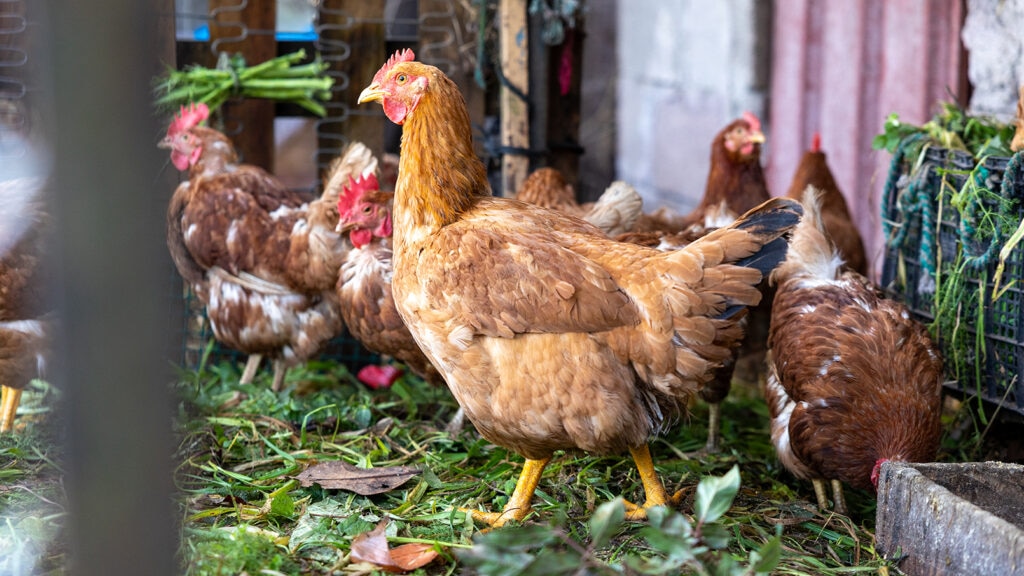
Photo by Benito Juncal/iStock/Getty Images Plus via Getty Images
Mushrooms pop up in all kinds of places, from the produce aisle to the middle of your backyard. But can chickens eat mushrooms? The answer depends on where they came from.
Plain, store-bought mushrooms can be a safe occasional treat for adult chickens, but wild mushrooms are simply not worth the risk.
Here’s everything you need to know about which mushrooms are flock-friendly and which ones should stay exactly where you found them.
Before introducing any new food into your chicken’s diet, always check with your veterinarian.
Key Takeaways
- Yes, chickens can eat store-bought mushrooms in moderation.
- Make sure they’re plain, with no butter, garlic, onion, or sauces.
- Don’t give chickens wild mushrooms—it can be hard to tell which ones are toxic.
Can Chickens Have Mushrooms?
Yes, but only the right kind. You can give chickens plain, edible mushrooms from the grocery store, such as white button, cremini, and portobello.
Wild or backyard mushrooms are a different story, though. Because it’s not easy to tell which ones are safe and which ones could be toxic, it’s best to avoid wild mushrooms altogether.
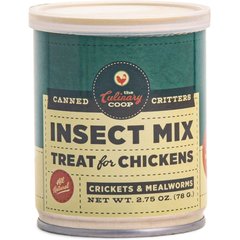
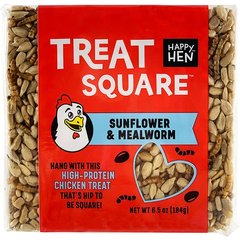
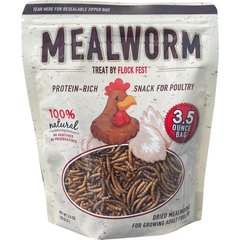
If you’re not sure about mushrooms, there’s no need to force it. Instead, opt for a chicken-safe treat. They don’t contain mushrooms, but they do include protein-rich mealworms—a snack many chickens would happily choose first:
Recommended Products
Are Mushrooms Good for Chickens?
Mushrooms aren’t a nutritional must-have for chickens, but they can offer some small benefits when given in moderation.
Some perks of mushrooms are:
- A change from the usual: Most chickens don’t come across mushrooms every day, so a few chopped pieces can add some novelty to the treat bucket and keep curious birds happy.
- A light snack: Mushrooms are mostly water and relatively low in calories, making them a lighter option than many other table scraps.
- A little fiber: Mushrooms contain a small amount of fiber, which can help support their digestion. But most of their nutrition should come from a balanced feed.
Are Mushrooms Bad for Chickens?
Mushrooms aren’t inherently bad for chickens, but they can come with more risks than other flock treats.
From mystery mushrooms in the yard to seasoned leftovers from the dinner table, here’s what to watch for:
- Mystery mushrooms: Some wild mushrooms are harmless, but some are toxic—and the danger is that you usually can’t tell by looking at them. Toxic mushrooms can affect the digestive, liver, or nervous system, and it’s simply not worth the gamble.
- Restaurant-style mushrooms: Butter, garlic, onion, cream sauces, and seasonings may make mushrooms more tempting to people, but they’re much less appealing from a chicken-health standpoint. Those extras can upset your flock’s digestive system while piling on fat, salt, and ingredients chickens simply don’t need.
- Spoiled mushrooms: Slimy or rotten mushrooms can carry bacteria and mold that can leave chickens with diarrhea, reduced appetite, or general digestive upset.
- Too much at once: Even edible mushrooms can become a problem if they start crowding out balanced feed. If chickens fill up on treats instead of their feed, they can miss out on the nutrients they need to stay healthy.
How Much Mushroom Can Chickens Eat?
For a small backyard flock, two or three chopped button or cremini mushrooms shared among several birds once or twice a week is enough for a treat.
All treats, including mushrooms, should make up no more than 5% of a chicken’s daily diet, with the other 95% coming from a high-quality, balanced feed that fits the bird’s life stage.
How To Safely Feed Mushrooms to Chickens
You don’t need to do much to make mushrooms flock-friendly—you just need to keep them simple.
Here’s how to make sure mushrooms are safe for your chickens:
- Use only plain, edible mushrooms from the produce aisle or a reputable source.
- Wash them first.
- Chop them into small pieces.
- Offer just a few pieces at a time.
- Save the garlic-butter mushrooms for people.
- When in doubt, throw it out—if a mushroom seems past its prime, toss it in the trash, not the coop.
My Chicken Ate a Mushroom—What Do I Do?
The first question to answer is what kind of mushroom your chicken ate. A few bites of a plain mushroom from the grocery store are very different from a mystery mushroom growing in the yard.
If your chicken ate a plain, edible mushroom, they’re likely to do just fine with a little monitoring. If the mushroom was wild, unidentified, or you’re not sure where it came from, it’s safest to treat the situation as potentially serious.
Keep an eye on your chicken and watch for signs such as:
- Reduced appetite
- Loose droppings
- Weakness
- Lethargy
Contact your veterinarian right away if:
- The mushroom was wild or you can’t identify it.
- The mushroom dish contained garlic, onion, or other heavy seasonings.
- Your chicken seems weak, unsteady, unusually tired, or develops other concerning symptoms.
If you can’t reach your veterinarian right away, you can also call the Pet Poison Helpline (855-764-7661) for help. If possible, save a sample or take a photo of the mushroom, as this information may help identify whether it’s toxic.
What Other Vegetables Can Chickens Eat?
Fortunately, most vegetables don’t require nearly as much detective work as mushrooms. If you’re looking for an easier treat to share, try:
FAQs About Mushrooms for Chickens
Are mushrooms safe for chickens?
It depends on the mushroom. Plain, edible mushrooms from the grocery store are generally safe in moderation, while wild, unidentified, spoiled, or seasoned mushrooms are not.
Can chickens eat cooked mushrooms?
Yes, as long as they’re plain. A simple cooked mushroom is one thing, but mushrooms swimming in butter or mixed with garlic, onion, cream sauces, or any seasonings (even salt) are best kept on your own dinner plate.
Can chickens eat wild mushrooms?
No, wild mushrooms aren’t worth the gamble. Some are harmless, but others can be toxic—and telling the difference isn’t always easy. When it comes to mushrooms growing in the yard, it’s safest to leave them alone.
Can baby chicks eat mushrooms?
Baby chicks have different nutritional needs than adult chickens, so it’s best to stick with chick starter and other age-appropriate feed. Once they’re at least 8 weeks old, you can give them a small amount of plain, edible mushroom as an occasional treat.
Attributions
This article was created with assistance from AI tools. The content has been reviewed for accuracy and edited by a human.