Can Chickens Eat Carrots?


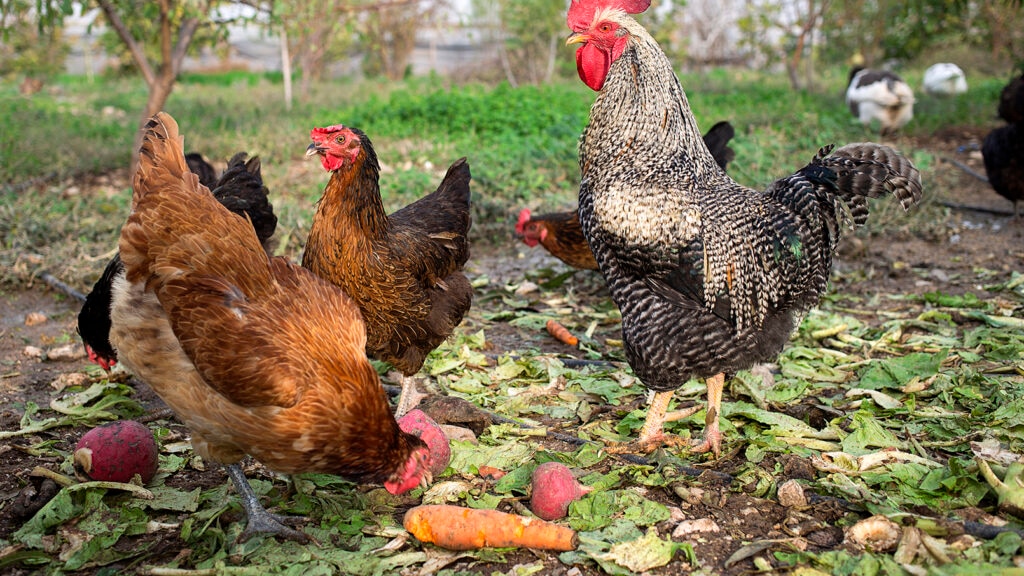
Photo by feyyazalacam/iStock/Getty Images Plus via Getty Images
Whether they’re growing in the garden, sitting in the crisper drawer, or left over from a veggie tray, carrots are one of those vegetables that seem easy to share with your flock. But can chickens eat carrots?
Yes, they can—as long as they’re served in moderation and the bulk of your chickens’ diet still comes from a complete, age-appropriate chicken feed.
Before introducing any new food into your chickens’ diet, always check with your veterinarian.
Key Takeaways
- Yes, chickens can eat carrots in moderation.
- Plain carrots are best; skip buttery, salty, or seasoned versions.
- Chop, shred, or thinly slice carrots before serving—whole carrots are harder for chickens to eat.
- Consider carrots a treat, and don’t let them replace a complete chicken feed.
Can Chickens Have Carrots?
Yes, chickens can have carrots when they’re plain and served in small, easy-to-peck pieces.
Raw carrots, cooked carrots, and even carrot tops are all generally fine. The biggest thing to watch is size and texture—hard, whole carrots are much tougher for chickens to peck apart than shredded or chopped pieces.
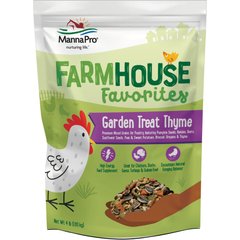
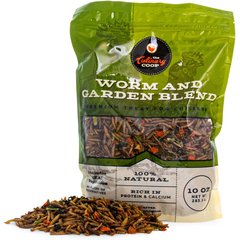
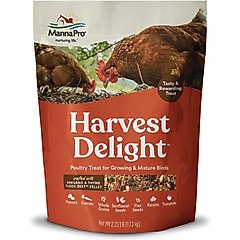
If you’d rather skip the table scraps in favor of something made specifically for your flock, try these carrot-rich chicken treats:
Recommended Products
Are Carrots Good for Chickens?
Yes, carrots can be good for chickens when they’re fed in moderation.
While carrots won’t replace the nutrition found in a complete feed, they can add a little color, crunch, and variety to your flock’s day. In reasonable amounts, carrots offer:
- Crunchy enrichment: Shredded or chopped carrots give chickens something bright, colorful, and interesting to peck at. Scatter a few pieces around the run and treat time can double as a little foraging fun.
- Fiber: Carrots contain fiber, which can help support normal digestion. Just remember that chickens should still get most of their nutrition from a complete, balanced feed.
- Vitamin A support: Carrots are naturally rich in beta-carotene, which gets converted to vitamin A. Vitamin A plays an important role in normal growth, reproduction, immune function, and overall health in poultry—and chickens need it from their diet because they can’t make it themselves.
Are Carrots Bad for Chickens?
Carrots can be bad for chickens when they’re served the wrong way or given too often. The good news is that most carrot-related problems are easy to avoid with a little preparation.
The biggest concerns usually come down to portion size and how the carrots are served:
- Pieces that are too large or tough to tackle: Chickens don’t have teeth, so a whole carrot can be a lot to ask of a curious beak. Large chunks and whole carrots are harder to peck apart and swallow comfortably, which may increase the risk of choking or crop issues.
- Toppings that belong on the dinner table, not in the coop: Butter, salt, brown sugar, honey glazes, and rich sauces might make carrots more appealing to people, but they don’t do chickens any favors. Plain carrots are always the safest option.
- Carrots that are past their prime: If a carrot is slimy, moldy, or headed for the trash, it shouldn’t end up in the treat bucket either. Moldy foods can expose chickens to harmful molds and bacteria that can make them sick.
How Much Carrot Can Chickens Eat?
For a small backyard flock, a handful of shredded or chopped carrot shared among several birds is usually plenty.
Carrots should be a treat, not the main course. As a general rule, treats should make up no more than about 5% of a chicken’s daily diet, with the other 95% coming from a high-quality, balanced feed that fits the bird’s life stage.
How To Safely Feed Carrots to Chickens
Once you’ve settled on the serving size, a little prep can make carrots easier—and safer—for your flock to enjoy.
If you want to share carrots with your chickens:
- Wash them first.
- Remove any slimy, moldy, or spoiled parts.
- Shred, grate, or chop raw carrots into small pieces.
- Start with a small amount at a time.
- Scatter a few pieces around the run to encourage natural pecking and foraging behaviors.
- Pick up leftovers before they dry out or start to spoil.
My Chicken Ate Too Many Carrots—What Do I Do?
Carrots are generally pretty safe, so most chickens who overdo it aren’t headed for an emergency. In many cases, the biggest concern is mild digestive upset from eating too many.
Keep an eye on your chicken over the next day or two and watch for signs, such as:
- Loose droppings
- Reduced appetite
- Belly or crop discomfort
- Lethargy
Call your veterinarian if:
- Your chicken is gagging or seems to have trouble swallowing.
- The carrots were moldy or rotten.
- Your chicken stops eating, seems weak, or appears unusually distressed.
- Symptoms don’t improve within a day or two.
- More than one bird in the flock seems sick after eating the carrots.
If you can’t reach your veterinarian right away, you can also call the Pet Poison Helpline (855-764-7661) for help.
What Other Vegetables Can Chickens Eat?
If carrots aren’t your flock’s favorite snack—or you’re simply looking to add some variety to the treat menu—there are plenty of other vegetables chickens can enjoy.
Other safe options include:
- Bell peppers
- Celery
- Cucumbers
- Leafy greens
- Peas
- Plain, cooked pumpkin
- Ripe tomatoes
- Zucchini and summer squash
Just remember that vegetables should complement your chickens’ diet—not replace it. A complete, balanced feed should still make up the vast majority of what your flock eats each day.
FAQs About Carrots for Chickens
Can chickens eat raw carrots?
Yes, chickens can eat raw carrots, but a little prep makes them much easier to enjoy. Shredding, grating, or chopping carrots into small pieces helps chickens peck them apart and swallow them more comfortably than they could a whole carrot.
Can chickens eat carrot tops?
Yes, chickens can eat carrot tops when they’re fresh and plain. Just be sure to wash them first and remove any wilted or spoiled parts.
Can baby chicks eat carrots?
Baby chicks have different nutritional needs than adult chickens, so it’s best to stick to chick starter and other age-appropriate feed. Once they’re older, you can give them a small amount of plain chopped or shredded carrot.
Attributions
This article was created with assistance from AI tools. The content has been reviewed for accuracy and edited by a human.