How Long Do Chickens Live? A Chicken Lifespan Guide


Photo by Chewy
Thinking about adding chickens to your backyard flock? One of the first questions many pet parents ask is: how long do chickens live? With the right care, many backyard chickens can live seven years or longer. Their lifespan depends on things like breed, housing, nutrition, and overall health—so knowing what they need from day one can help you set them up for a long, happy life.
Key Takeaways
- Backyard chickens can live seven years or longer with proper care, though breed, health, and safety can shorten or extend that range.
- The biggest everyday lifespan factors are predator protection, balanced nutrition, clean water, enough space, and routine poultry-savvy veterinary care.
- Chickens should live in flocks, not alone; a calm, social setup helps reduce stress and supports normal behavior.
- Biosecurity matters: clean hands, clean equipment, and smart sourcing can help reduce the risk of infectious disease.
How Long Do Chickens Live?
For a well-cared-for backyard bird, the average chicken lifespan is often about seven years or longer, which makes chickens a true long-term commitment.
Some chickens live longer, while others have shorter lives because of disease, predators, heat stress, reproductive issues, or breed-related health concerns. Egg laying may slow down years before the end of a hen’s life, so an older chicken may still need the same daily care even if the egg basket gets quieter.
It also helps to separate backyard pets from commercial production birds. Some fast-growing meat breeds, including Cornish Cross, are not well-suited for long-term backyard life, while many common laying and heritage breeds can do well as pets when their housing, nutrition, and health needs are met.
What Impacts a Chicken’s Lifespan?
A chicken’s lifespan depends on both who they are and how they live. These are the big factors to keep in mind.
Breed and Body Type
Breed matters because chickens have been bred for different jobs: egg production, meat production, temperament, appearance, or hardiness.
Some commercial farming breeds are not built for pet-style backyard life; fast-growing broiler breeds like Cornish Cross can struggle in backyard flocks.
If longevity is part of your goal, look for breeds known for sturdy health and good fit for your climate.
Housing and Predator Protection
Safe housing is one of the most practical ways to protect a flock. Chickens need a secure coop for sleeping and nesting, plus an outdoor run that keeps them contained and helps keep predators out. Enough coop and run space helps birds roost, move, and avoid overcrowding.
Recommended Products
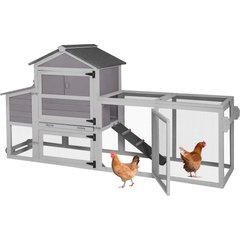
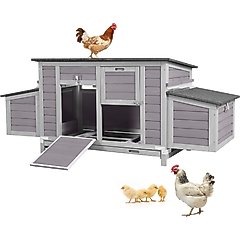

Predator protection matters because a chicken can be healthy one day and gone the next if a coop latch, fence gap, or uncovered run leaves an opening.
Use sturdy hardware cloth, covered runs, secure doors, and nightly lockups, especially if raccoons, hawks, foxes, neighborhood dogs, or coyotes are common where you live.
Nutrition and Water
A balanced diet supports growth, egg laying, feathers, bones, and immunity. Poultry need many nutrients in the right balance, and water is the nutrient they need in the greatest amount. For backyard flocks, that usually means a complete feed matched to the bird’s life stage, plus clean water available at all times.
Recommended Products
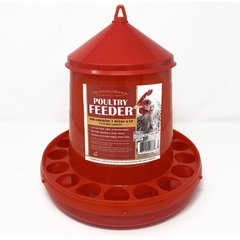

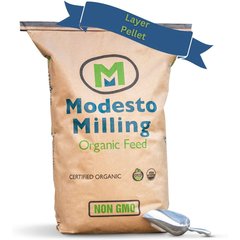
Treats and kitchen scraps can be fun, but they should only be given in moderation. For adult laying hens, high-quality layer feed should make up the main part of the diet.
Recommended Products
Health, Biosecurity, and Vet Care
Chickens can hide illness until they’re quite sick, so a relationship with a veterinarian who treats poultry is worth building before there’s an emergency. Annual checkups, parasite checks, and paying attention to appetite changes, egg laying habits, lethargy, diarrhea, limping, or respiratory signs can make problems easier to catch.
Biosecurity is part of health care too. Biosecurity helps reduce the risk of avian influenza and other infectious diseases. Washing hands after handling chickens, their food, or anything in their environment helps protect the people in your household too.
Flock Life and Stress
Chickens are social animals, so they’re not meant to live alone.
A small flock gives them normal companionship, but crowding can create stress, feather pecking, and injuries.
A good setup gives every bird room to eat, drink, roost, dust bathe, and get away from flock tension when they need to.
How To Help Your Chicken Live a Longer Life
You cannot control every health issue, but you can stack the everyday care routine in your chickens’ favor. Here’s how:
Build the Safest Habitat You Can
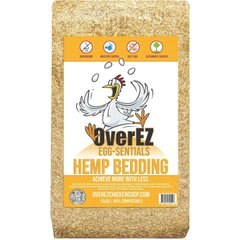
Start with a dry, well-ventilated coop, a covered run, secure latches, and predator-resistant fencing. Use clean, absorbent bedding, such as OverEZ EGG-Sentials Hemp Chicken Bedding, and refresh it before moisture and droppings build up.
Recommended Product
Feed for Life Stage
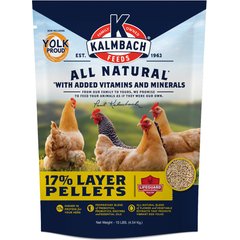
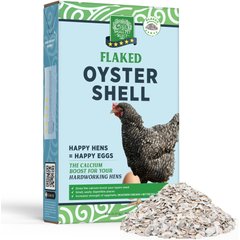
Adult laying hens need a complete layer feed, such as Kalmbach Feeds All Natural 17% Protein Layer Pellets Chicken Feed. Laying hens may also need free-choice calcium, such as Small Pet Select Oyster Shell Calcium Poultry Supplement, offered separately from feed.
Recommended Products
Keep Food and Water Clean
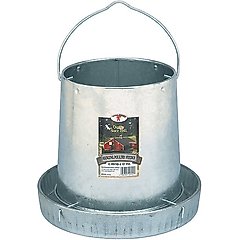
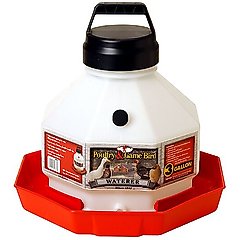
A hanging feeder, such as the Little Giant Hanging Metal Poultry Feeder, can help keep feed off the floor. A raised waterer, such as the Little Giant Poultry Waterer, can help reduce contamination, but it still needs daily checks and regular washing.
Recommended Products
Make Biosecurity a Habit
Keep dedicated coop shoes, wear booties, or use foot baths, along with washing hands after flock chores, quarantine new birds before adding them to the group, and avoid sharing unclean equipment between flocks.
Watch the Flock Every Day
A quick daily scan for droopy posture, changes in eating or drinking, unusual droppings, limping, labored breathing, or a hen who separates from the group can help you spot trouble early.
A long chicken lifespan is built in the ordinary things: safe housing, steady food and water, clean habits, and a flock setup that lets chickens act like chickens.
Attributions
This article was created with assistance from AI tools. The content has been reviewed for accuracy and edited by a human.