7 Tips for Building a Chicken Coop



Photo by Chewy
Rule No. 1 of raising chickens: Providing a proper coop and run is essential for your birds’ health and happiness. Plenty of pre-made coops are on the market, but if you’d prefer to DIY your own, we’re walking you through the steps of how to build a chicken coop below.
Key Takeaways
- Chickens need 3–4 square feet inside the coop and 10 square feet in the run per bird.
- Proper ventilation and predator-proofing are critical.
- Use hardware cloth, not chicken wire, for safety.
- DIY coops require planning, but pre-made options are available.
Tips for Building a Chicken Coop
To create your own chicken coop and run, you’ll need a set of chicken coop plans, a get-it-done attitude, and our guide below.
1. Find the Right Space
The location of your coop is very important. The best spot for your chickens depends largely on where you live, says Lisa Steele, a fifth-generation chicken keeper in Maine and founder of Fresh Eggs Daily:
- In warm climates, the coop should sit in the shade for as much of the day as possible
- In cold climates, it should be in the sun for as long as possible
- In rainy or wet climates, it should sit on high ground so it won’t flood or stay wet
“When you’re figuring out where to put your coop, remember that you will have to go back and forth several times each day,” Steele adds. “You don’t want it too far from the house, but you also want to make sure that it’s not so close to the house or neighbors’ houses that, if you’re downwind, there will be noticeable odors.”
Before deciding on a location, check your town or municipality regulations. Some areas have rules about how far from property lines a coop must be placed.
2. Determine the Best Size
How many chickens you have, as well as their size and breed, will determine the best size for your coop.
“The space should allow them to perform natural behaviors, such as foraging, perching, dust bathing, and preening, and give them room to get away from bullies,” says Sharon Evans, BSc, MRCVS, a poultry veterinarian in Bristol, England. “Typically, very active birds will need as much space as you can offer.”
Plan to provide:
- Three to four square feet of floor space per chicken
- At least 12 inches of roosting bar per chicken
For your chicken run, bigger is always better. A minimum of 10 square feet per bird is recommended.
Steele adds that if your chickens spend most of the day in their run, giving them as much space as possible helps minimize boredom and aggression while keeping the area cleaner.
3. Find a Coop Plan You Love

Photo by Chewy
Building a simple backyard chicken coop requires basic tools, lumber, hardware cloth, and roofing material. You’ll also need to buy or build features like roosting bars and nesting boxes.
To simplify the process, our experts recommend using a chicken coop plan. You can find plans online from sources like Easy Coops and Etsy, which provide exact dimensions and materials lists.
4. Gather Your Supplies
Most coop plans include a detailed list of required supplies, down to the number of nuts, bolts, and hinges. Follow this list closely.
There are also a few key considerations when choosing materials:
- Use non-treated wood. “That includes pressure-treated wood or pallets that may have been treated with pesticides,” Steele says. Chickens love to peck at materials like Styrofoam and insulation, so if you use them, be sure they’re fully covered and inaccessible.
- Metal and plastic are also options. These materials resist rot and pests, Steele says, but keep in mind that metal can become very hot in summer, which may affect your chickens’ comfort.
Generally, you’ll need:
- Chicken coop plan
- Non-treated wood
- Roofing material
- Insulation (optional)
- Ventilation materials (including hardware cloth with ¼– to ½-inch openings)
- Tools
- Nails, screws
5. Build Your Coop and Run
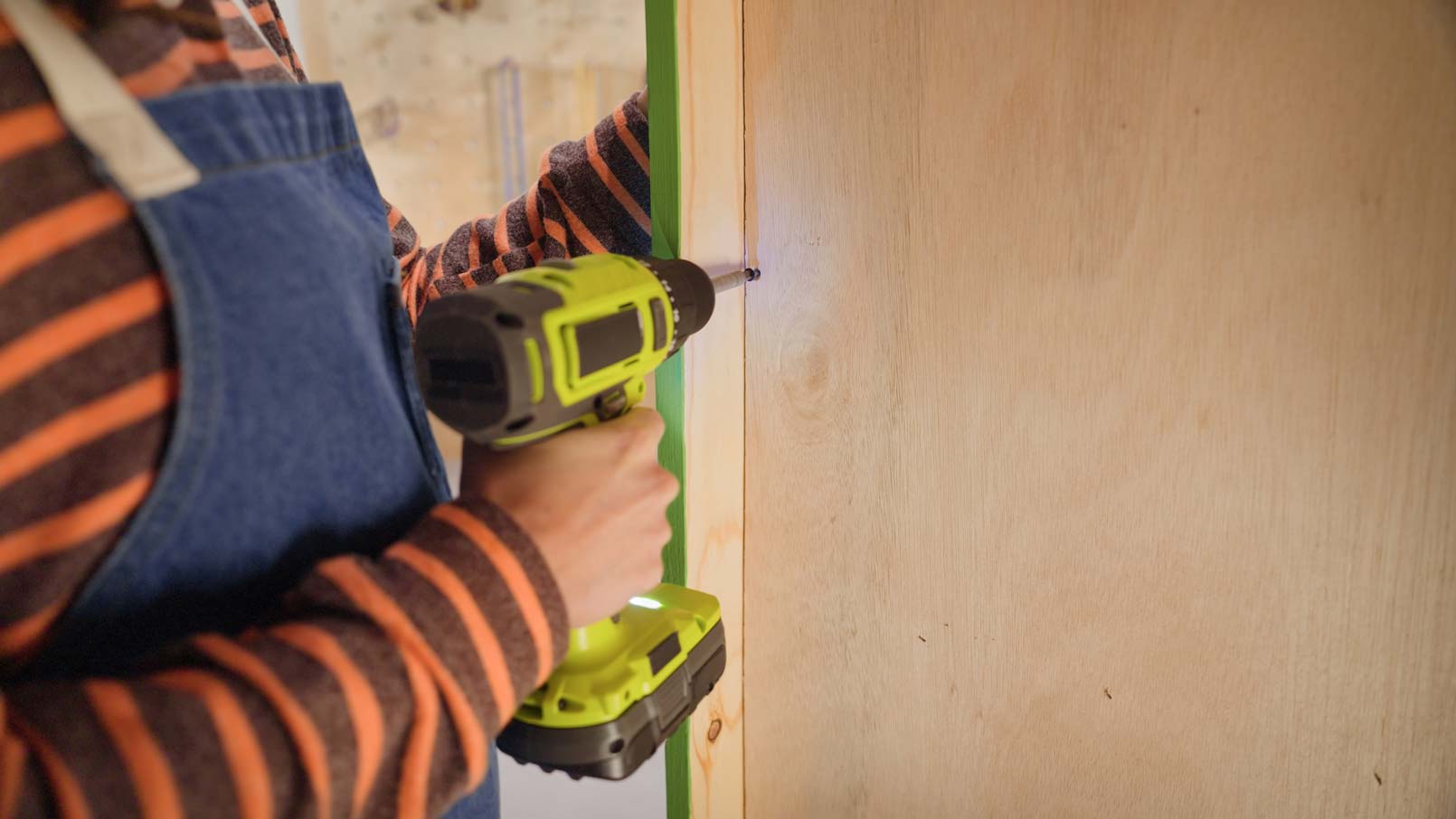
Photo by Chewy
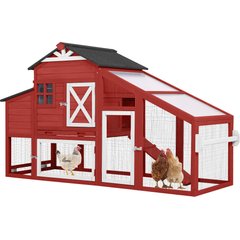
Most chicken coop plans begin with assembling the floor frame, followed by the walls, doors, windows/ventilation, and roof. Seal any gaps to prevent moisture and predators from getting inside.
Chicken runs typically consist of a wooden frame attached to the coop and enclosed with predator-resistant wire so chickens can roam safely outdoors.
Many designs include a small access door or ramp that allows chickens to move easily between the coop and the run.
Predator-proofing is essential. Chickens are vulnerable to raccoons, foxes, hawks, owls, snakes, weasels, and even domestic dogs and cats.
“The main door, as well as the small door into the run, all need to be secured with locks or latches,” Steele says. “Raccoons can slide deadbolts, lift latches, and untie knots. The most secure types of latches are spring-loaded eye hooks, carabiners, or padlocks.”
6. Add Roosting Bars and Nesting Boxes
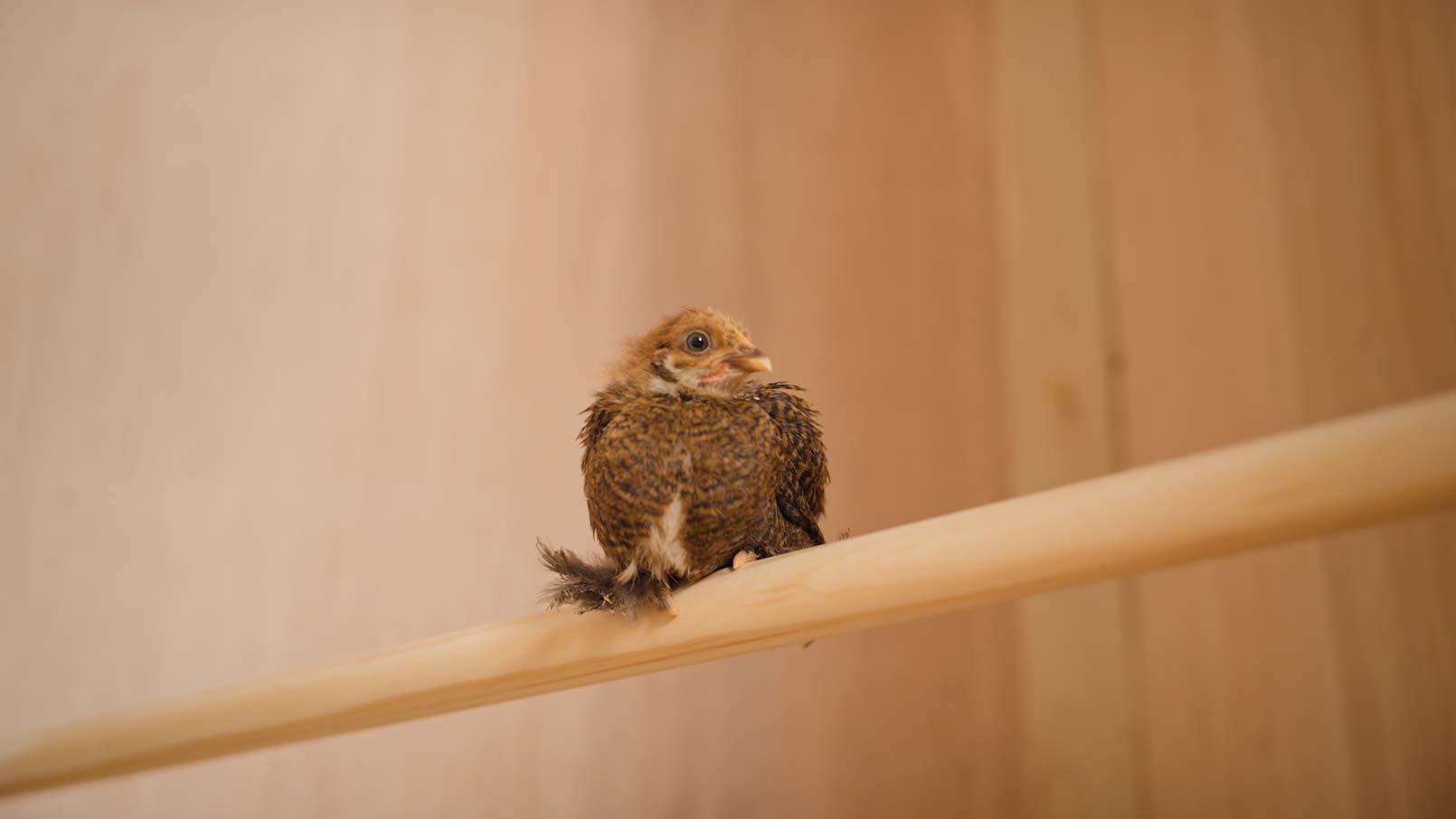
Photo by Chewy
Your coop isn’t complete without roosting bars and nesting boxes.
Roosting Bars
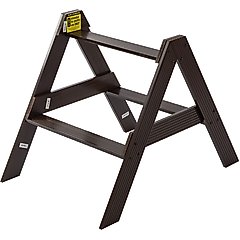
You can build your own or buy premade options, such as New Age Pet ECOFLEX Restful Roost A-Shape Chicken Roosting Bar.
Recommended Product
Nesting Boxes
Plan for one box per two to three hens—don’t worry, they’ll share!
Boxes should be:
- About 12 inches square
- Made of wood, plastic, or metal
“You can repurpose kitty litter containers, dish pans, or 5-gallon plastic buckets,” Steele says. Premade options are also available, such as the Frisco Wooden Nesting Box.
Recommended Product

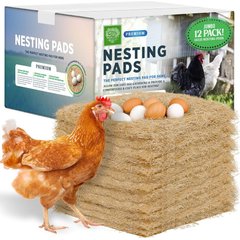
Add soft nesting material like straw, pine shavings, or hemp.
Recommended Products
7. Add the Finishing Touches
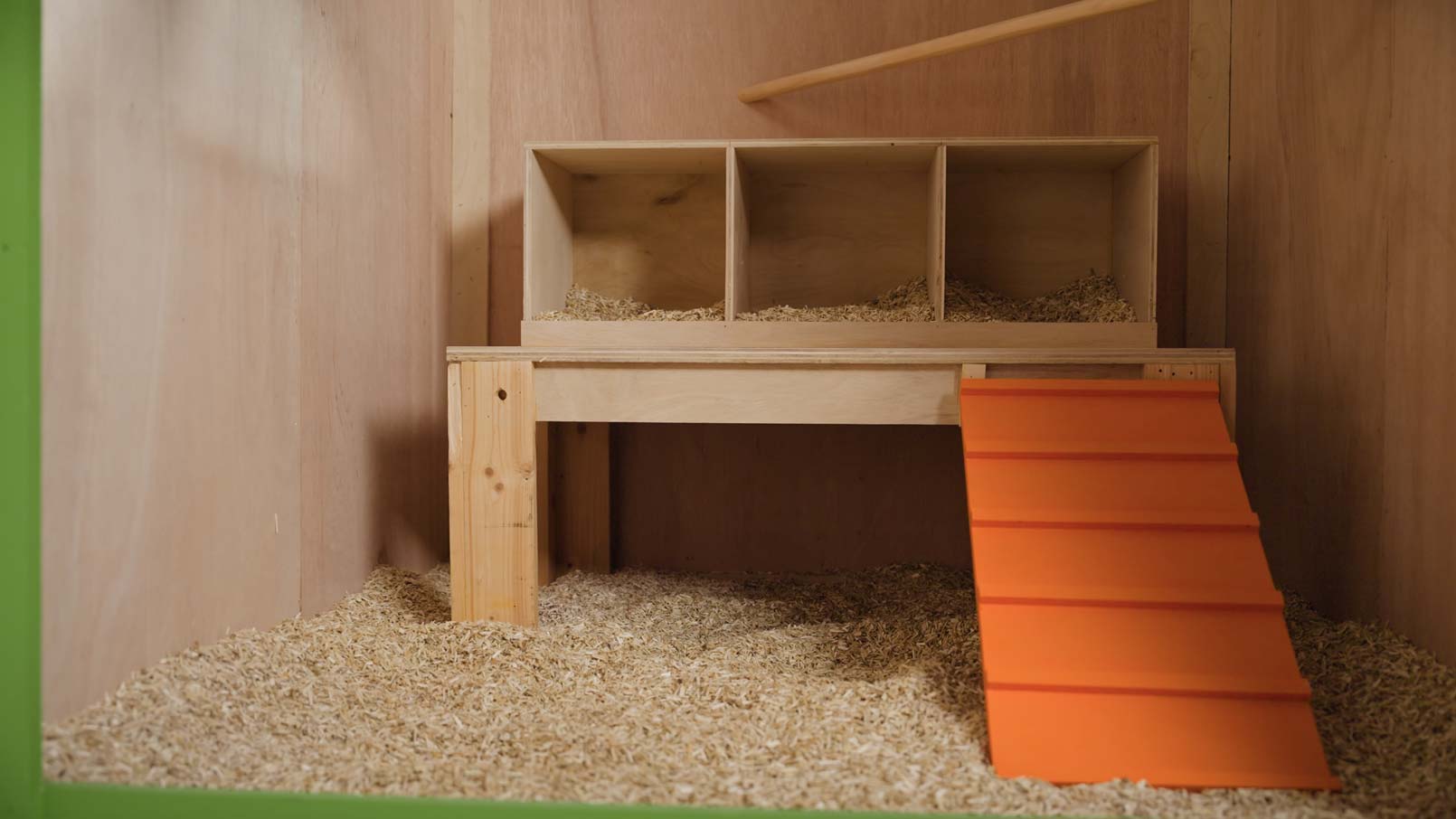
Photo by Chewy
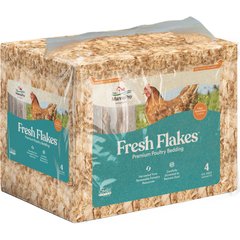
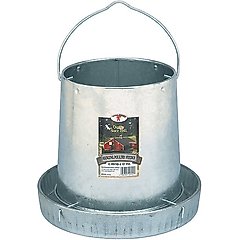
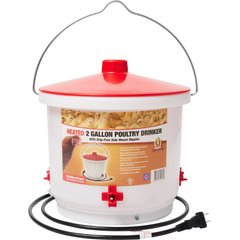
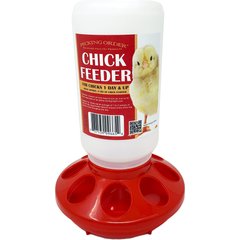
Once everything is installed, add bedding to the coop floor and set up feeders and waterers.
Recommended Products
Congrats! You’ve built a DIY chicken coop—a functional and comfortable home for your flock.
DIY Chicken Coop Mistakes To Avoid
Knowing what not to do can make the process much smoother. Whether you’re building a large coop or a small chicken coop, here are common pitfalls to avoid:
- Improper ventilation: Dr. Evans says this is one of the biggest mistakes. “Poor ventilation is usually the biggest problem, whether there’s too little or too much,” she says. “Good ventilation should be adjustable for the changing seasons.” A general guideline is that about one-fifth of the total wall area should be open for airflow.
- Poor predator-proofing: Chicken wire keeps chickens in—but won’t keep predators out. Hardware cloth with ¼–½ inch openings is best. Secure locks are also essential. Steele adds, “Don’t underestimate predators. From tiny weasels and rats to coyotes, bears, and bobcats, everything will kill chickens if given the chance.”
- Forgetting practicality: Keep feeding, watering, and cleaning in mind when designing your coop, Dr. Evans says. Make sure you can easily access all areas—this will save both your time and your back.
- Putting food and water in the coop: Keeping food and water inside increases moisture, attracts pests, and creates a mess. “Chickens can’t see well in the dark, so they aren’t eating or drinking overnight,” Steele explains. “Feed and water belong outside in a sheltered area of the run.”
Pre-Made Chicken Coops
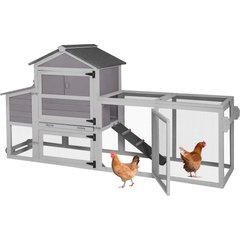
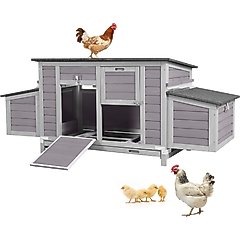
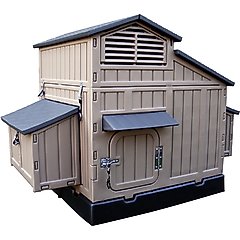
If building your own coop feels overwhelming, that’s completely understandable. Pre-made coops—either fully assembled or requiring minimal setup—are a convenient alternative.
These top-rated chicken coops are all great options:
Recommended Products
Whether you build your chicken coop from scratch or choose a pre-made option, your flock will have a safe place to sleep, lay, eat, and run. It’s the foundation—literally!—for a happy, healthy backyard setup.
Attributions