Can Chickens Eat Celery?


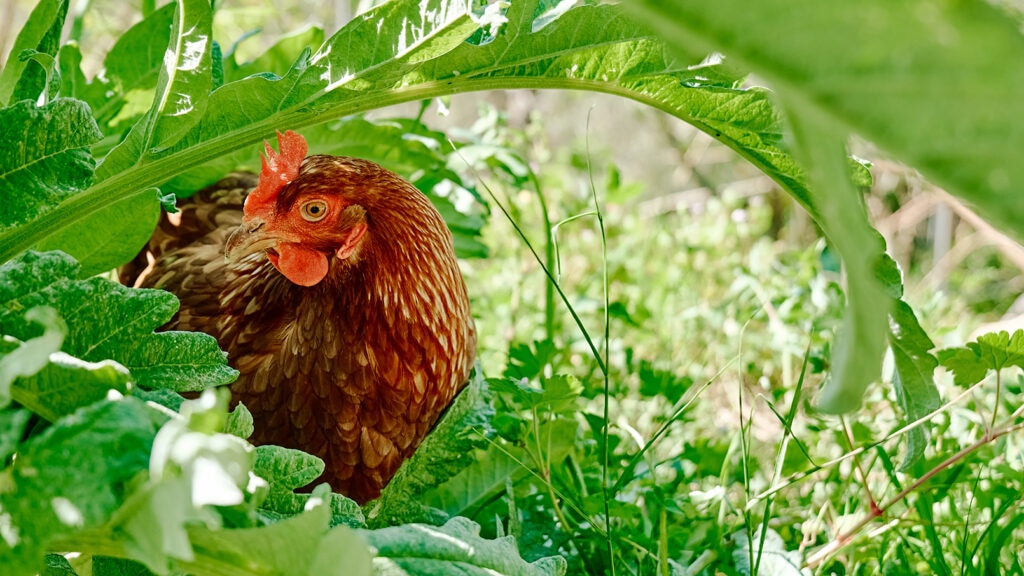
Photo by Ekaterina Fedulyeva/iStock/Getty Images Plus via Getty Images
Celery may not spark the same excitement as mealworms or berries, but some chickens still show interest in this crunchy vegetable. So, can chickens eat celery? They can—in moderation.
Like most treats, celery should be considered an occasional snack rather than a dietary staple. Adult chickens should get most of their nutrition from a complete, age-appropriate feed, with treats making up no more than about 5% of their daily diet.
Before introducing any new food into your chicken’s diet, always check with your veterinarian.
Key Takeaways
- Yes, chickens can eat celery in moderation.
- Plain celery is best; skip dips and any add-ons.
- Chop celery into small pieces before serving—the strings can be hard for chickens to eat.
- Consider celery an occasional treat and never feed it in place of a chicken’s regular feed.
Can Chickens Have Celery?
Yes, chickens can have celery when it’s plain, fresh, and chopped into small pieces.
Both the stalks and leaves are generally safe for adult chickens. The biggest thing to watch is texture: Celery can be surprisingly stringy, and long pieces are harder for chickens to break apart and swallow comfortably.
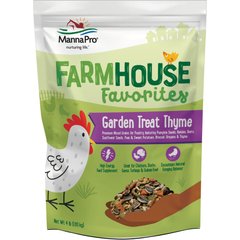
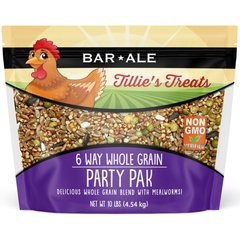
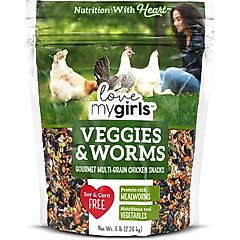
If you’d rather reach for something made specifically for your flock, you can offer some veggie-rich chicken treats instead of celery. Some good options include:
Recommended Products
Is Celery Good for Chickens?
Yes, celery can be good for chickens when it’s fed in moderation.
While it won’t compete with mealworms in the popularity department, celery can bring a few benefits to snack time:
- A lighter snack option: Celery is low in calories and mostly water, which can make it a refreshing snack on warm days when your flock is looking for something crunchy to peck at.
- Foraging enrichment: Scatter a few chopped pieces around the run, and your chickens get a chance to peck, scratch, and investigate something new. That extra enrichment can help relieve stress and keep your birds healthy.
Is Celery Bad for Chickens?
But celery can also be bad for chickens when it’s served the wrong way. The biggest concerns usually come down to prep and portion size:
- Pieces that are too large: Celery can be fibrous and stringy, which makes it harder for chickens to peck apart and swallow. And if pieces are too large, they can cause throat or crop discomfort.
- Toppings that don’t belong in the coop: Ranch, blue cheese dressing, butter, and salty seasonings might make celery more appealing to people, but they can upset a chicken’s digestive system.
- Celery that’s past its prime: Chickens are susceptible to mold illness. And slimy, rotten, or moldy celery can expose chickens to harmful bacteria or mold. It’s best to toss any pieces that look questionable.
- Too much of a good thing: Celery is a fun snack, but it shouldn’t crowd out the complete feed chickens rely on for most of their calories and nutrients.
How Much Celery Can Chickens Eat?
Treats, including celery, should make up no more than 5% of a chicken’s daily diet, with the other 95% coming from a high-quality, balanced feed that fits the bird’s life stage.
For a small backyard flock, a handful of chopped celery shared among several birds once or twice a week is usually enough.
How To Safely Feed Celery to Chickens
A little prep can go a long way when it comes to celery. To make this crunchy vegetable easier—and safer—for your chickens to enjoy:
- Wash it first.
- Remove any slimy or damaged parts.
- Slice celery crosswise into small pieces to shorten the fibrous strings.
- Offer only a small amount at a time.
- Toss the pieces around the run to encourage natural pecking and foraging behaviors.
- Pick up uneaten celery before it dries out or starts to spoil.
My Chicken Ate Too Much Celery—What Do I Do?
Most chickens who overdo it on celery won’t experience a serious emergency, but too much can lead to digestive upset—especially if they filled up on celery instead of their regular feed.
Keep an eye on your bird over the next 24 hours and watch for signs such as:
- Loose droppings
- Reduced appetite
- Crop discomfort or a noticeably full crop
- Lethargy
- Less interest in normal flock activities
Call your veterinarian if:
- Your chicken is gagging or seems to have trouble swallowing.
- The celery was moldy or rotten.
- Your chicken stops eating, appears weak, or seems unusually quiet.
- More than one bird in the flock seems sick after eating the celery.
If you can’t reach your veterinarian and you want to talk to an expert, you can call the Pet Poison Helpline (855-764-7661) at any time for guidance.
What Other Vegetables Can Chickens Eat?
If your flock turns up their beaks at celery or you just want to add some variety, there are plenty of other vegetables worth trying. Here are some other chicken-safe options:
FAQs About Celery for Chickens
Can chickens eat celery leaves?
Yes. In fact, some chickens are just as interested in the leafy tops as they are in the stalks. As long as the leaves are fresh, plain, and offered in moderation, they’re generally safe for adult chickens.
Can chickens eat celery strings?
Technically, yes, but celery strings can be tricky for chickens to manage. Long, fibrous strands are harder to peck apart and swallow, which is why it’s best to slice celery crosswise into small pieces before serving it.
Can baby chicks eat celery?
While an adult chicken might enjoy pecking at a few pieces of celery, young chicks are better off sticking with chick starter. Their growing bodies need the concentrated nutrition found in a complete feed.
Attributions
This article was created with assistance from AI tools. The content has been reviewed for accuracy and edited by a human.