What Do Pigs Eat? 5 Key Things To Feed Your Pet Pig

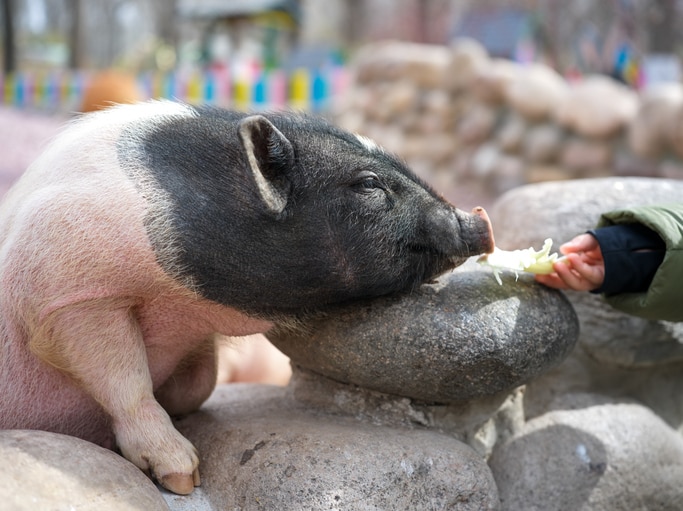
Photo by daqian dong/iStock/Getty Images Plus via Getty Images
Wondering what’s on the menu for your pet pig?
While pigs have a reputation for eating just about anything, they actually need a balanced, nutrient-rich diet to stay healthy.
Here’s what they should eat and what they should avoid.
Key Takeaways
- Pigs are omnivores who thrive on a balanced diet of pellets, veggies, and occasional fruits or treats.
- Fresh produce adds nutrients and variety, but it should be served in moderation and seasonally adjusted.
- Always provide clean, fresh water and space for safe outdoor foraging.
- Avoid toxic foods like chocolate, rhubarb, onions, and garlic. Never feed your pig the pit of a stone fruit, as the pit can be toxic and also a choking hazard.
What Can Pigs Eat?
Pigs are omnivores, meaning they eat both plant and animal matter.
In the wild, pigs forage for a wide variety of foods, including roots, veggies, nuts, seeds, berries, insects, raw eggs, and reptiles. Their strong snouts and natural curiosity make them excellent scavengers who almost constantly root around for their next snack.
Pet pig breeds, such as potbellied pigs, share the same natural foraging instincts, but without a wild habitat, they rely on their human pet parents to provide a balanced diet.
While all pigs have similar digestive systems and nutritional needs, their exact diets can vary depending on their breed, size, age, and activity level.
What Should You Feed Your Pet Pig?
Here are some staples of a healthy pet pig diet.
Pig Food
The foundation of your pig’s diet should be a high-quality pellet specially formulated for pigs. It’s important to choose a formula that matches your pig’s breed and size.
For example, feeds such as Mazuri Mini Pig Maintenance Food and Kalmbach Feeds Squeals of Joy Mini Pig Food are formulated with the right balance of protein, fiber, and fat for smaller pigs, while feeds for larger pigs are designed to meet higher calorie demands.
Recommended Products
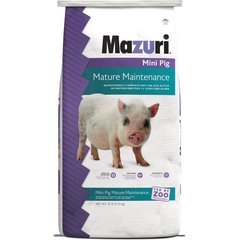
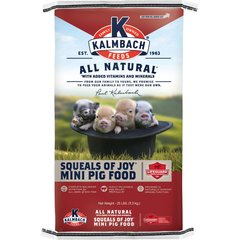
You also need to follow feeding guidelines from your veterinarian to keep your pig companion at a healthy weight. “We see many who are too thin, and a lot who are overweight,” says Joshua Carpenter, refuge director at Cotton Branch Refuge Project in Leesville, South Carolina.
Fresh Fruits and Vegetables
Fresh, unseasoned vegetables and fruits add variety and nutrients to your pig’s diet and make excellent treats.
Most fresh veggies are safe for pigs to consume. Some favorites include:
- Green beans
- Sweet potatoes
- Corn
- Peas
- Edamame
- Bell peppers
- Zucchini
- Carrots
- Cucumbers
- Pumpkin
- Lettuce
- Tomatoes (avoid green tomatoes and the leaves, vines, or other parts of the tomato plant)
- Broccoli and cauliflower (go easy on these, as too much can cause bloating and gas)
Note that pigs are sensitive to hot and cold temperatures. To keep them comfortable, feed them warm veggies in the winter, and in the summer (if you live in a hot climate), feed them fresh, cold produce.
All fruits are safe for pigs in moderation, but keep portions small due to their high natural sugar content. Fruit pits should always be removed before serving, as they can be toxic and pose a choking hazard.
Healthy Treats
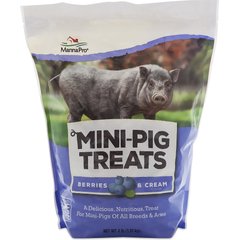
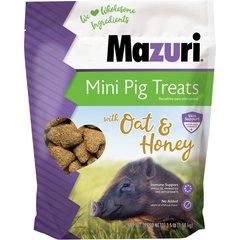
You can offer your pig other healthy treats in small amounts for training and enjoyment. Some good options include Manna Pro Farmhouse Favorites Minis, Manna Pro Berries & Cream Mini-Pig Treats, and Mazuri Oat & Honey Mini Pig Treats.
Recommended Products
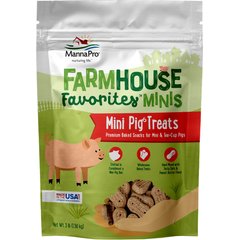
Other favorite pig treats include small portions of:
- Unsalted nuts
- Plain, air-popped popcorn
- Canned pumpkin (100% pumpkin, not pie filling)
- Dried fruit
- Plain, cooked egg (never raw)
Natural Grasses
Pigs are natural foragers and thrive when given outdoor pasture space to graze and root.
A pasture provides nutritional variety from grasses, bugs, roots, and other plants, as well as mental stimulation.
Water
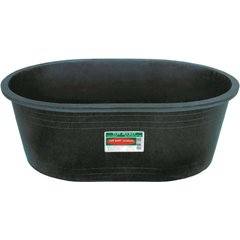
Pigs should always have access to clean, fresh water, both indoors and outdoors. Use a sturdy, tip-proof container, such as Tuff Stuff Products Oval Tank Farm Animal Feeder.
Recommended Product
You’ll also want to keep your pig’s outdoor water bowl in a shaded area during hot weather to prevent the water from becoming too warm.
What Can Pigs Not Eat?
A few foods can be toxic to pigs and should never be part of their diet. These include:
- Chocolate
- Raw, green, or sprouted potatoes
- Rhubarb (especially the leaves)
- Onions
- Garlic
- Moldy or spoiled foods
Some foods aren’t toxic to pigs, but still aren’t good for them and should be avoided. These include:
- Raw meat: Raw meat can carry harmful bacteria or parasites that may cause illness.
- Celery tops, parsnips, and parsley: These can cause sun sensitivity in the skin, increasing the risk of sunburn.
- Food for other species, such as dogs and cats: It’s not nutritionally balanced for pigs and may contain harmful ingredients.
- Processed human food: Foods such as cookies, crackers, and cereal are often high in sugar, salt, fat, and other additives, which are unhealthy for pigs.
- Avocados: The flesh is high in fat and should only be offered in very small amounts. Always remove the skin and pit, as these can pose serious health risks.
How Should You Feed Your Pet Pig?
For most adult pigs, two measured meals a day—one in the morning and one in the evening—works best, with small servings of fruit and veggie snacks in between.
“For pigs who sleep indoors, we recommend splitting their feed into three servings and giving a late meal around 9 p.m. so they will sleep through the night,” Carpenter adds. “Alternatively, you could give them a healthy salad as their third meal.”
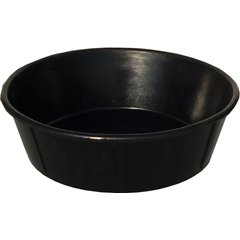
When it comes to feeding, use a heavy bowl, such as Tuff Stuff Products Rubber Farm Animal Feeder, or scatter pellets on the ground to make mealtime a fun scavenger hunt. Many pig parents combine both methods.
Recommended Product
FAQs About What Pigs Eat
Can I give my pig treats?
Yes, just keep the treats healthy and in moderation. Fresh fruits and vegetables; unsalted nuts; plain, air-popped popcorn; and commercial pig treats are all good options. Avoid anything high in salt, sugar, fat, or artificial additives.
Do pigs eat small animals or insects?
Pigs are omnivores and may eat small critters or insects they encounter while foraging in a pasture. However, these should be incidental finds—not a planned part of a pet pig’s diet. The majority of their nutrition should come from pig-specific feed and fresh produce.
What are pigs’ favorite foods?
Every pig has personal preferences, but many especially love watermelon, pumpkin, sweet potatoes, and leafy greens.
What does a piglet eat?
Very young piglets rely on their mother’s milk or a commercial milk replacement formulated for piglets. As they start to wean (usually around three to four weeks), you can gradually introduce a high-quality pig starter feed along with small amounts of soft, pig-safe vegetables.
Attributions