Hanoverian
Updated October 30, 2026

Hanoverian
Updated October 30, 2026
Hanoverians are German warmblood horses known for their athleticism, trainability, and versatility. Their powerful hindquarters and elastic movement make them excellent dressage and jumping partners.
Intelligent, Willing, Athletic
Up to 1,400 pounds
15.3–18 hands (approximately 63–72 inches)
25–35 years
Most commonly bay, chestnut, black, and gray
The Hanoverian horse is a talented, athletic warmblood known for excelling in dressage, show jumping, and eventing. Originally bred in Germany for farm work, transportation, and military use, Hanoverians have developed into some of the world’s most successful sport horses.
With their powerful movement, elegant appearance, and willing personality, these horses are popular with both competitive and recreational riders.
Hanoverian Appearance
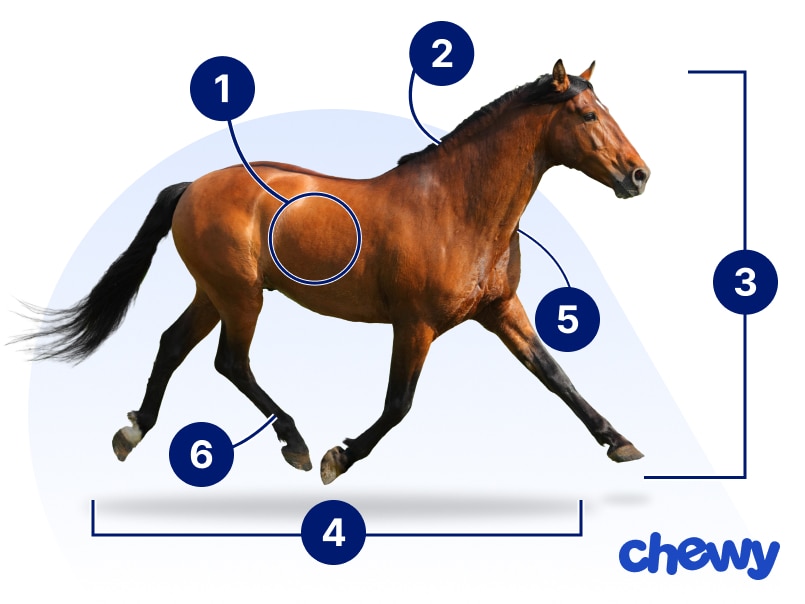
Hanoverians are large, athletic horses with strong bodies and graceful movement. They combine the power needed for jumping with the balance and flexibility valued in dressage. Their elegant appearance, well-developed muscles, and harmonious proportions reflect generations of selective breeding for performance.
- Colors and Patterns
Hanoverians are most commonly bay, chestnut, black, or gray. Their coats are typically solid-colored, although individual horses may have white markings on the face and legs.
- Height
Hanoverians generally stand 15.3–18 hands tall, making them a relatively large riding breed. Their height and substantial build contribute to their presence in the show ring.
- Conformation
The Hanoverian is a warmblood sport horse with a balanced, muscular body. Breed standards emphasize harmonious proportions, a strong topline, well-developed hindquarters, and a body suited for athletic performance.
- Movement
Hanoverians have three natural gaits: a four-beat walk, two-beat trot, and three-beat canter. They are not considered a gaited breed.
The breed standard favors elastic, ground-covering movement with clear rhythm, active hindquarters, and natural balance. Their powerful yet fluid strides are especially valuable in dressage.
- Head and Neck
The Hanoverian has an attractive, expressive head with proportions that complement the body. A well-shaped neck and suitable head-to-neck connection support balance and comfortable movement.
- Legs and Hooves
Hanoverians have strong, correctly aligned legs and well-formed hooves. The breed standard emphasizes sound limb structure and correct movement. These qualities are particularly important for horses performing demanding athletic activities.
Hanoverian Temperament
Hanoverians are intelligent, alert, courageous, and eager to work. Their willingness to learn makes them rewarding partners for riders who use patient, consistent training.
Many Hanoverians are calm and sensible, although individual personalities vary. Some competition-bred horses may be more sensitive or energetic and are better suited to experienced riders.
Well-socialized Hanoverians can develop comfortable relationships with people and other horses. Early handling helps young horses become confident in unfamiliar situations.
Related Breeds


How to Care for a Hanoverian
Hanoverians generally have straightforward care needs, but their size and athletic abilities require thoughtful management. Whether competing or enjoying recreational riding, they need appropriate nutrition, regular exercise, grooming, and veterinary care. Competition horses also need sufficient recovery time to help prevent overuse injuries.
Grooming
Training
Diet
Exercise
Environment
Hanoverian Health
Hanoverians are generally healthy, but owners should understand several conditions associated with the breed.
- Osteochondrosis dissecans (OCD): This developmental condition affects cartilage and joint formation. It can cause swelling, excess joint fluid, and lameness. Genetics, rapid growth, nutrition, and excessive exercise may contribute.
- Fragile foal syndrome (FFS): This inherited disorder affects connective tissue and causes severe skin and joint abnormalities in affected foals. The condition is fatal. Genetic testing can identify carriers and help breeders make responsible breeding decisions.
- Equine recurrent uveitis (ERU): Also called moon blindness, this inflammatory eye condition can cause redness, tearing, squinting, and vision loss. Prompt veterinary attention is necessary when symptoms appear.
- Musculoskeletal injuries: Athletic Hanoverians can develop injuries related to demanding training or competition. Appropriate conditioning, sound footing, and recovery periods help manage these risks.
- Gastric ulcers: Performance horses may develop ulcers, particularly when feeding and management practices do not support digestive health. Consistent access to forage and suitable feeding routines are important.
Regular veterinary examinations and appropriate management can help identify concerns early.
Hanoverian History
The Hanoverian originated in Lower Saxony, Germany. In 1735, King George II established the State Stud at Celle, helping organize breeding efforts.
Early Hanoverians worked on farms, pulled carriages, and served as military mounts.
As demand for working horses declined, breeders introduced additional Thoroughbred and other approved bloodlines to produce lighter, more athletic riding horses.
The first Hanoverian studbook was published in 1888.
Today, the Hannoveraner Verband oversees breeding standards in Germany, while the American Hanoverian Society, established in 1978, supports registration and breeding programs in the United States.
Registered Hanoverians compete in recognized equestrian competitions worldwide.
FAQs
Are Hanoverian horses good for beginners?
How long do Hanoverian horses live?
Are Hanoverian horses expensive to maintain?
What are Hanoverian horses best known for?
Are Hanoverian horses easy keepers?
This article was created with assistance from AI tools. The content has been reviewed for accuracy by Kaela Schraer, DVM, and edited by a human.