What You Need for Your First Riding Lesson


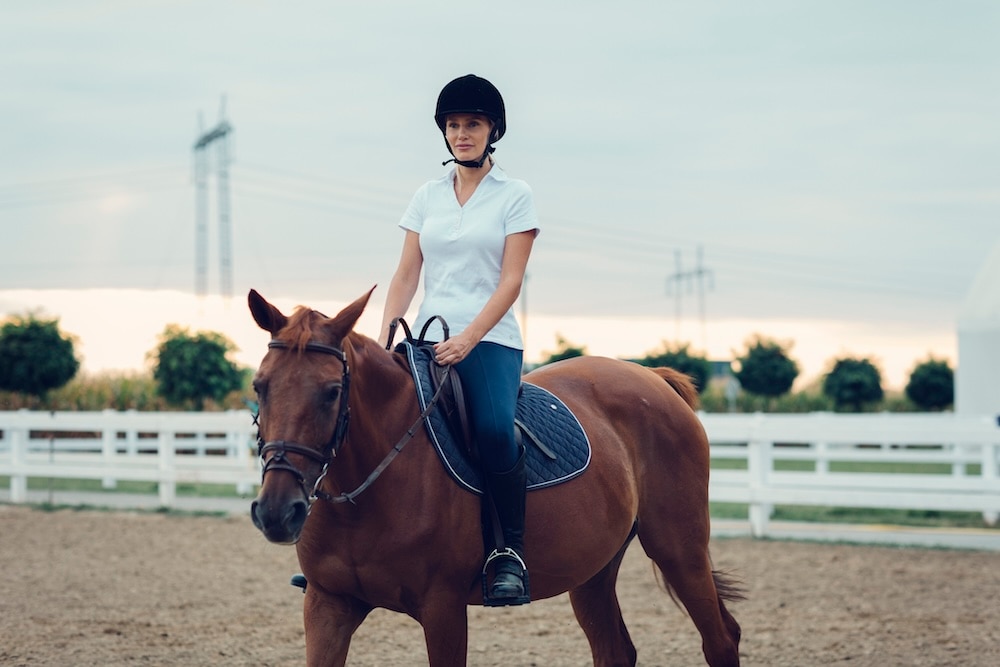
Photo by vgajic/E+
Everyone wants to make a good impression in their first horseback riding lesson, but shopping for riding gear is difficult as a novice. The good news is you don’t need to buy much. Most lesson programs provide beginners with a lesson horse, tack, and basic equipment. Some will even loan you a helmet.
If you’re beginning your first riding lessons and aren’t sure where to start with your wardrobe and supplies, never fear! You’ve come to the right place.
Key Takeaways
- Wear comfortable, fitted clothing that allows you to move safely.
- Choose boots with a small heel and a smooth sole.
- Wear a properly fitted equestrian helmet (many barns provide one).
- Bring water, weather-appropriate layers, and a positive attitude.
- Ask the riding facility what equipment is provided before your lesson.
What To Wear for Your First Riding Lesson
You might already have the basics you need for your first horseback riding lesson in your closet. If not, you can buy a simple, casual riding outfit without breaking the bank.
Pants
Choose a pair of long, comfortable pants with enough stretch to allow freedom of movement. Look for leggings, riding tights, or flexible jeans without thick inner seams.
Recommended Products
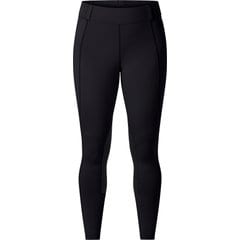
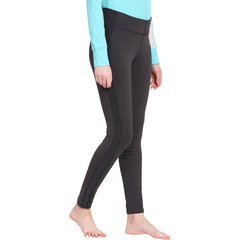
Avoid shorts, capris/pedal pushers, skirts or dresses, and pants with bulky pockets or stiff material.
Shirt and Layers
Choose a comfortable shirt that is not too loose through the torso. Start with a lightweight base layer, and add removable layers as needed for the colder weather. Riding will warm you up quickly!
Recommended Products
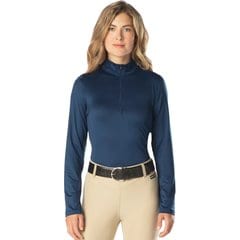
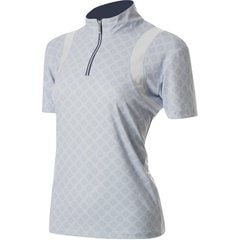
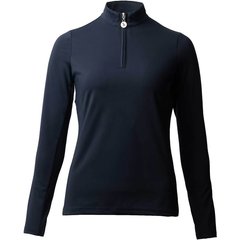
Avoid scarves, dangling jewelry, and other accessories that could get caught on your lesson horse’s tack. Don’t wear loose clothing, which hides your form from the instructor, making your lesson less productive.
Footwear
Wear lightweight closed-toe horseback riding boots with a small heel and a smooth or lightly textured sole. For English riding, look for paddock boots to go with riding tights, and dress/field boots if you’re wearing short breeches. For Western lessons, cowboy/cowgirl boots are standard.
Recommended Products
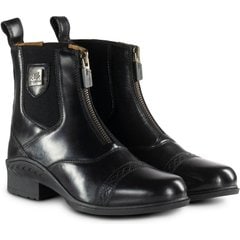
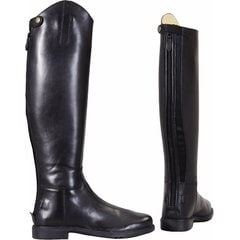
Sneakers won’t do, nor will any other flats. Flat shoes allow your foot to slide all the way through the stirrup, which is dangerous.
Skip the heavy steel-toed work boots and hiking boots when riding, though they’re fine for barn work. Bulky footwear may make it difficult to get your feet in the stirrups.
Open-toed shoes are an absolute no-no, even on the ground. Imagine a 1,000-pound horse stepping on your bare foot and you’ll understand why!
Do You Need a Riding Helmet?
Every rider should wear a properly fitted, ASTM-certified equestrian helmet for every lesson. However, before you hit “add to cart,” check with your instructor to see if they provide loaner helmets. Wearing a borrowed helmet for a few lessons gives you a chance to see which brands match the shape of your head before purchasing one for yourself.
Recommended Products
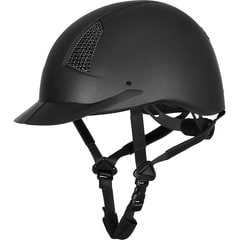
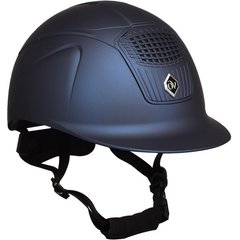
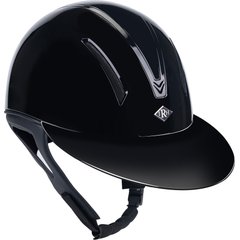
Helmets designed for other sports, like mountain biking or skateboarding, aren’t suitable for horseback riding. Equestrians are safest in a well-fitting helmet designed for the specific impacts of a potential fall from a horse.
What Equipment Does the Riding School Provide?
Most horseback riding lesson programs provide all the riding equipment that doesn’t go on your body, including:
- A lesson horse or pony
- Halter and lead rope
- Saddle and bridle
- Saddle pad(s)
- Horse boots/wraps, if needed
- Stirrup irons and leathers
- Grooming tools
- Helmet (some programs do ask you to bring your own)
- Basic safety equipment (e.g., first aid kit, blocker tie ring, etc.)
Make sure to reach out at least a week before your first lesson to ask what you should plan to bring and what the program will provide.
What To Bring to Your First Riding Lesson
Beyond your basic outfit, there are a few small things you may wish to bring to your first horseback riding lesson.
- Water bottle (size up, you’ll be sweating!)
- Sunscreen and insect repellent
- An extra windproof/waterproof layer, in case of a change in the weather
- Hair ties and/or riding hairnet for securing long hair
- Small snack, if needed
- Notebook or phone for recording trainer instructions
- Any required forms or emergency contact information
- Closed-toe shoes for time spent around the barn, if your riding boots aren’t comfortable enough to wear all day
Arrive at least 10–15 minutes early to get oriented and meet your instructor. In the horse world, “if you’re early, you’re on time, and if you’re on time, you’re late.”
What Happens During a First Riding Lesson?
When you arrive for your first riding lesson, you’ll meet your instructor and lesson horse. You’ll likely help groom the horse and get a quick horse handling/barn safety lesson. An experienced person will do the tacking-up while you observe.
A little nervousness is normal. Excitement and anxiety often appear together! Your instructor can reassure you and offer some strategies for managing your nerves.
The riding portion of your lesson will start with safe mounting. Once you’re aboard, you’ll learn to stop, steer, and cue the horse to move forward.
Your instructor will provide feedback on your balance and posture (“equitation”). You might ride only at the walk or at both the walk and trot. Beginners typically do not canter or gallop in lessons.
At the end of your lesson, you will cool the horse down by walking, either by hand or while mounted. Be sure to give the horse a friendly scratch and a thank you for the lesson. Ask for permission before offering any treats. Though the thought is always appreciated, many instructors ask students not to hand-feed lesson horses.
A first lesson is usually mostly focused on safe horse handling basics, and may not include a long ride. You’ll get to do more as your skills grow.
What Not To Buy Before Your First Lesson
It’s best to hold off on big-ticket or custom items until you have the experience to choose wisely. Skip these purchases before your first horseback riding lesson:
- Expensive riding boots
- Show clothes or breeches
- Chaps or half chaps
- Specialized riding/show gloves
- Personal saddle or bridle
- Grooming kits
- Riding crops or spurs
After a few lessons, if you’re still craving one or more of these, talk to your instructor. They can tell you if you’re ready to buy, and help you choose the right item(s).
First Riding Lesson Safety Tips
The most important way to stay safe in your first horseback riding lesson is to choose a safety-minded program. Once you’ve selected an instructor, keep these tips in mind:
- Follow the instructor’s directions at all times.
- Keep your phone in your car or pocket and on Do Not Disturb until your lesson is over.
- Walk and speak calmly around horses.
- Avoid approaching horses from behind. If you must walk behind a horse, stay close to their rump, speak softly to them, and pet them as you go by.
- Ask before touching, feeding, or mounting any horse.
- Keep fingers and feet clear of doors, gates, and moving horses.
- Don’t wrap lead ropes, reins, or lunge lines around your fingers.
- Never sit or lie on the ground near horses.
- Stay aware of other horses and riders.
- If another student falls, stop your horse and remain at a halt until the instructor tells you otherwise.
- Speak up if equipment feels uncomfortable or something seems unsafe.
You don’t need trendy riding clothes or a show-quality outfit for your first horseback riding lesson. Most of your outfit can be sourced from your existing wardrobe. If you do choose to make one or two new purchases before your first lesson, put your budget towards an ASTM-certified riding helmet (if not provided by the instructor) and safe riding boots.
Once you arrive at the barn and start your lesson, you’ll forget all about your clothes—you’ll be having way too much fun getting to know your lesson horse and your new barn family!
First Riding Lesson FAQs
Can I wear jeans to my first riding lesson?
Yes, as long as they are flexible and comfortable, with flat or no inner seams. Avoid stiff jeans or styles with bulky seams that may rub.
Can I wear sneakers horseback riding?
Sneakers are generally not recommended because they do not provide the heel and sole design needed for riding safely.
Do I need my own helmet?
Not necessarily. Many riding schools provide helmets, but confirm their policy before your lesson.
Should I bring treats for the horse?
Ask your instructor first. Some horses have dietary restrictions, and feeding unfamiliar horses is not always permitted.
Attributions