Cinches for Horses: Types, Materials, and How To Measure


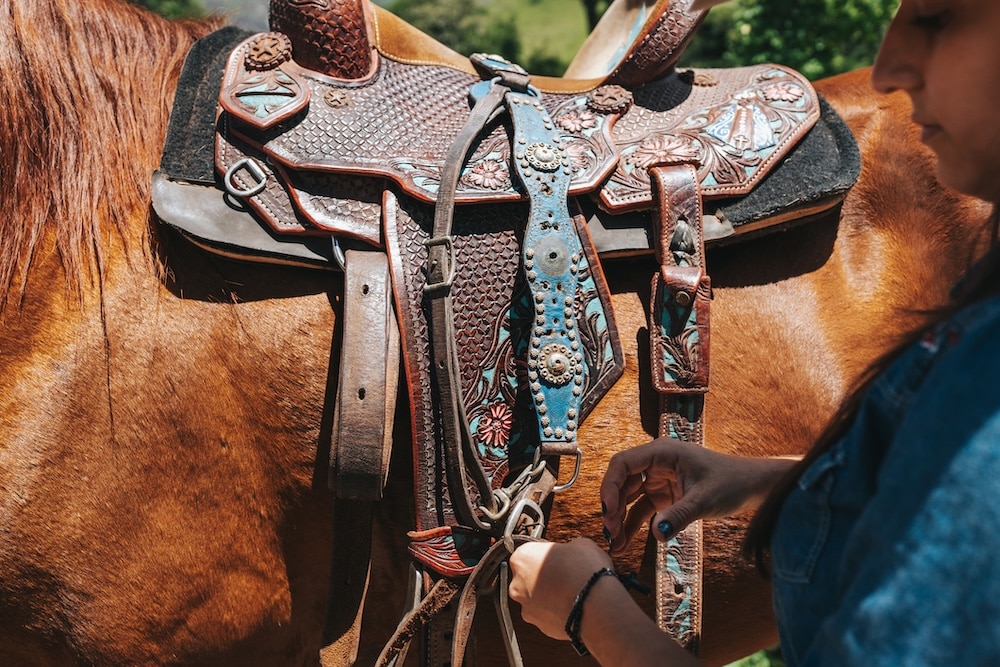
Photo by Igor Alecsander/E+
A cinch is a key piece of tack that keeps a Western saddle secure around your horse’s middle. The right cinch achieves this without rubbing, pinching, or restricting your horse’s movement. Every horse is different and some disciplines lend themselves to certain styles of cinch, so it’s important to choose the best cinch for your individual needs.
Key Takeaways
- Cinches for horses come in several shapes and materials to suit different horses and riding disciplines.
- The correct cinch should fit snugly and distribute pressure evenly, with buckles situated above the elbows.
- Measure your horse with flexible measuring tape and both the saddle and pad in place.
- Clean and inspect the cinch regularly to prevent discomfort and equipment failure.
What Is a Horse Cinch?
The Western saddle’s cinch is the equivalent of the English girth, serving the same purpose: to keep your saddle secure on your horse’s back.
A cinch has a large D ring or buckle at each end, attached to the saddle on the “off” side (the right side of the horse) with an offside latigo or billet, and the “near” side (the left side of the horse where you usually mount) with a latigo.
This differs from an English girth, which has more than one buckle on each end and fastens to the saddle’s billets, or leather straps, that are attached to the saddle.
Types of Horse Cinches
Several types of cinches serve different purposes.
- Straight: Versatile choice, ideal for everyday riding
Recommended Product
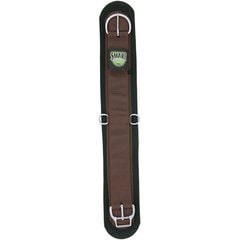
- Contoured: Offers extra room behind the elbows for freer shoulder movement
Recommended Product
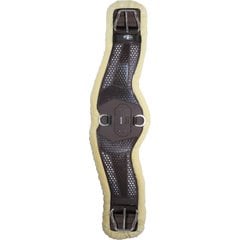
- Roper: Wider center distributes pressure across horse’s sternum during demanding work, not just roping
Recommended Product
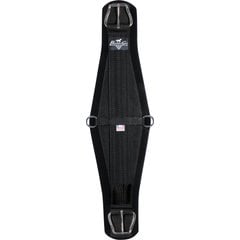
- Back cinch: Adds saddle stability in addition to a normal front cinch for quick movement, roping, or trail riding, but does not replace the front cinch
Recommended Product
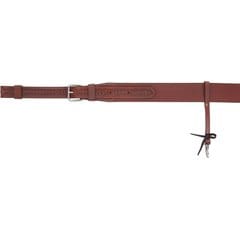
Horse Cinch Materials
Just like people, some horses prefer one cinch material over another—their skin may get irritated by one, or they just may be more comfortable in one particular style. Thankfully, you have options.
- Mohair: Traditional, soft, breathable, naturally elastic and moisture-wicking, but can attract debris.
Recommended Product
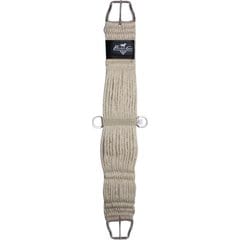
- Neoprene: Durable and easy to clean but may trap heat.
Recommended Product
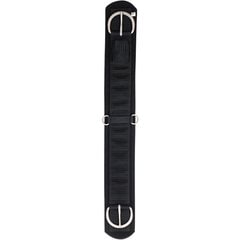
- Fleece: Cushioned and moisture-wicking but collects sweat and debris.
Recommended Product
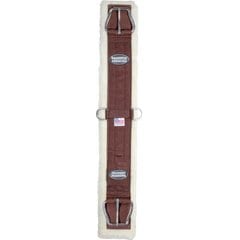
- Felt: Absorbent and pressure-distributing.
Recommended Product
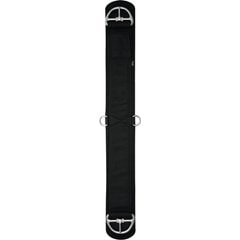
- Synthetic cord: Lightweight, affordable, and easy to maintain, but less breathable and durable than natural cord.
Recommended Product
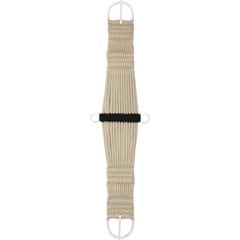
How To Choose a Cinch
First, consider your horse’s body shape. A horse with an upright shoulder may do better with a straight or contoured cinch, while one with a sloping shoulder may do well with a roper cinch. A horse with a large barrel will need a longer cinch. If your horse has a narrow barrel, make sure the cinch isn’t too long.
You may need to experiment with different cinch materials if your horse has sensitive skin. Mohair or fleece may work better for these horses, and you may want to avoid neoprene.
If your saddle has a full rigging (used for heavy-duty ranch work or roping), your horse will have less elbow room, so you may want a narrower straight cinch and you may want a back cinch for balance. Note: if you use a back cinch, always connect it to the front cinch with a string to avoid it becoming a bucking strap (used in rodeo).
A 7/8 or ¾ rigging will sit the cinch farther back from the horse’s shoulder, which allows for a wider straight cinch or a roper cinch.
If you’re riding in an event with quick turns, roping, or uneven terrain, you may want a roper cinch and back cinch for extra stability.
For a streamlined look in judged events, a straight cinch is your best bet.
If your horse has a tendency to rub the cinch with their elbow (the bony part of the front leg near the belly), a contoured cinch may help.
Consider your climate and how much your horse tends to sweat. Avoid neoprene, as it can get slippery on wet hair. A mohair, felt, or fleece cinch might be a better option in extremely hot or cold weather.
Neoprene cinches are by far the easiest to clean with a quick spray down from a hose. Mohair and fleece tend to collect debris, hair, and sweat.
How To Measure a Horse for a Cinch
Most Western cinches come in sizes ranging from 26 to 36 inches, differentiated in 2-inch increments. To measure for a cinch:
- Place the saddle and pad on your horse in the correct spot.
- With a flexible measuring tape, measure from one rigging ring under your horse’s belly to the other.
Recommended Product
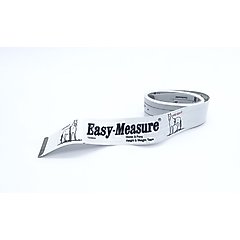
3. Subtract about 16 inches, which leaves about 8 inches from rig to buckle for your latigo and billet.
4. If between sizes, round up. Make sure the buckles sit above the elbows.
Note: Sizing can vary by saddle and manufacturer, so check the description before purchasing.
How Should a Cinch Fit?
Your horse’s cinch should sit in their natural girth groove. This is the spot just behind the horse’s elbow where there is an indentation in the barrel. The cinch should clear the elbow on both sides.
When tightened, it should feel snug without pinching the horse’s skin or restricting their movement. It should keep the saddle stable without allowing it to slip back or to either side.
Be sure to tighten the cinch gradually and recheck how snug it is before mounting, in case it has loosened up with the horse relaxing their abdominal muscles.
Signs of an Improper Fit
An ill-fitting cinch can cause saddle movement, slipping, pinching, rubbing, sores, swelling, uneven pressure, and buckles hitting the elbows. Your horse may become so uncomfortable that they resist cinching up or moving forward, and it can affect their performance.
If your horse is frequently uncomfortable, it’s recommended to have them evaluated by your veterinarian and a qualified saddle fitter.
Cinch Care and Cleaning
Regularly remove sweat, hair, and dirt after riding. You can use a stiff brush or rubber curry comb for this purpose.
Recommended Products

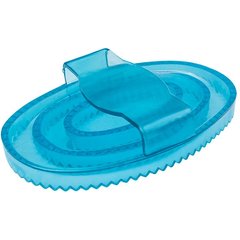
Make sure to clean your cinch based on care instructions—cleaning a mohair cinch involves different steps than those for cleaning neoprene, for example. Rinse all cleanser from the cinch thoroughly and allow it to dry flat or hanging in a shaded, well-ventilated area.
If you notice fraying, cracks, or damaged hardware, it’s time to replace the cinch.
Choosing a cinch that fits your horse properly—and keeping it clean and in good condition—can help keep your horse comfortable and your saddle secure every time you ride.
FAQs About Cinches
How tight should a horse cinch be?
It should be tight enough to keep your saddle from shifting when you mount and dismount, but not so tight that it makes your horse uncomfortable. You should be able to put an index finger, up to your finger’s first joint, between the cinch and your horse’s centerline.
What size cinch does the average horse need?
An average cinch size for a stock horse is 30–32 inches, but your best bet is to measure your horse.
Is mohair or neoprene better?
It depends. If you want an easy-to-clean cinch, go with neoprene. For more comfort and a moisture-wicking surface, choose mohair.
What causes cinch sores?
Cinch sores can be caused by a poor fit or caked-on sweat and debris. Sores can also occur if a cinch is too tight or placed too close to the horse’s elbow.
What is the difference between a cinch and a girth?
A cinch is a Western version of an English saddle girth. A cinch has a single buckle or D-ring at each end to secure with latigos, while a girth has multiple smaller buckles that attach to an English saddle’s billets.
Attributions