How To Make Your Horse’s Equipment Last


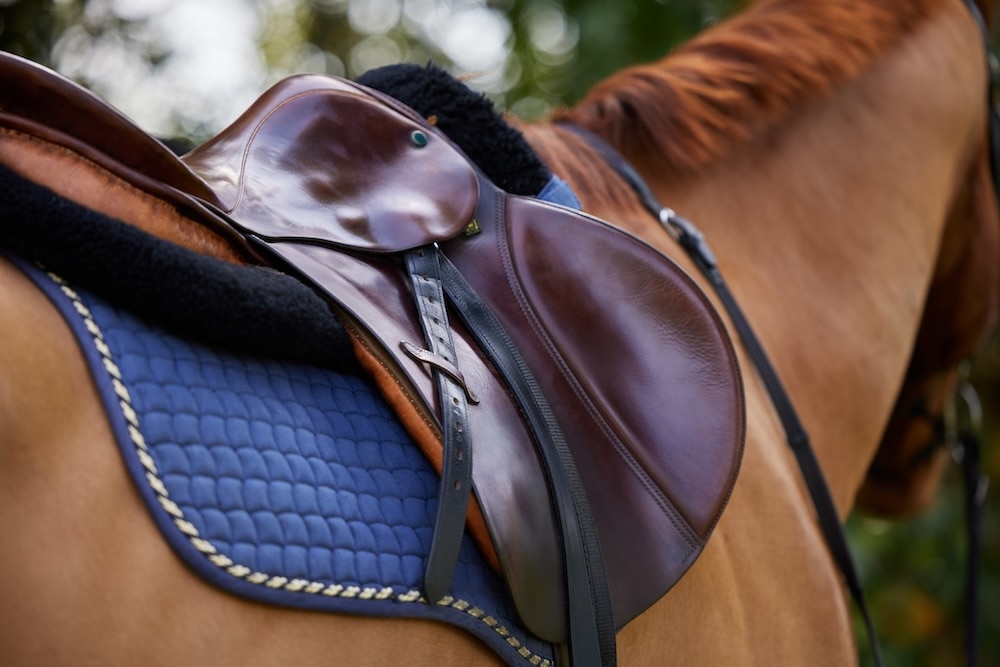
Photo by PeopleImages/iStock/Getty Images Plus
Quality horse equipment is an investment, and routine care can help maximize the life of your tack and gear. Regular maintenance and care also improve the safety and performance of your equipment.
Simple steps like removing sweat and dirt after use and storing your equipment property can apply to everything from saddles and bridles to blankets, halters, and protective boots. Here’s what you should know to make your horse’s equipment last.
Key Takeaways:
- Horse equipment care can help prolong the life of your equipment and keep it from breaking while in use.
- Leather horse tack requires special care, including cleaning and conditioning, to preserve the life of the leather.
- Proper horse equipment storage can help your equipment last and ensure that it’s ready to use when you need it next.
Clean Equipment After Every Ride
Sweat can damage leather goods, and dirt, hair, and mud can cause excess wear and tear to your equipment. Always take the time to remove dirt, sweat, hair, and mud from your horse equipment after use.
If you’re dealing with leg boots or bell boots, hose them down quickly to remove dirt immediately after use. Then when it’s time for a deeper cleaning, rinse and scrub them.
Leather goods, such as your girth and bridle, shouldn’t be washed. Instead, wipe them down with a sponge and leather cleaner to remove dirt and sweat after a ride.
Consider keeping a sponge or cloth and bottle of leather cleaner in your tack room for easy post-ride cleaning. And keep a small bucket of water handy to help rinse it off.
Brush off your blankets and saddle pads regularly to remove as much dirt and hair as possible. A stiff body brush may be helpful for this.
Condition Leather Regularly
Leather tack requires extra care and attention to keep it in good condition. Investing some time in regular leather tack care can help prolong its life and prevent it from breaking, keeping you and your horse safer.
Clean Before Conditioning
Always clean your leather tack before you condition it. Use a quality leather cleaner or saddle soap to remove dirt and sweat from the leather’s surface. Fiebing’s Saddle Soap is a popular traditional option, and you can use Stubben Glycerin Saddle Soap on smooth leather, such as saddles, bridles, and riding boots.
Recommended Products
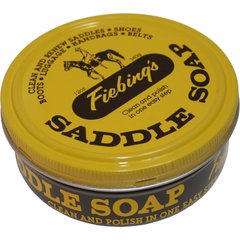
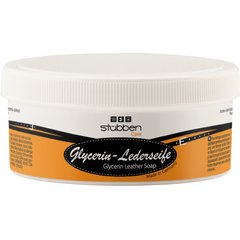
If your tack is very dirty and has built-up dirt on the surface, wipe the dirt away with a soft, dry cloth before using your leather cleaner.
Rinse out your sponge or cloth frequently to avoid spreading dirt around as you clean, and be sure to undo any buckles and clean underneath them, too.
Apply Leather Conditioner
Once your leather tack is clean, it’s important to condition it to help keep it supple and soft. Proper conditioning helps prevent cracking and drying, preserving your tack.
Use a quality conditioner, like Bickmore Bick-4 Leather Conditioner, and carefully follow the instructions on the bottle.
Recommended Product
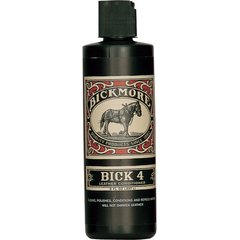
Wipe your tack down with a soft, dry cloth after conditioning it to remove any residue. Avoid over-conditioning your tack, since it can weaken the leather.
Inspect Equipment for Wear and Damage
When you’re cleaning horse tack, also take time to carefully inspect your equipment for any wear or damage. Spotting these issues early on may help prevent your tack from breaking while in use, which could lead to an accident and injure you or your horse.
Look for common potential issues when you maintain your equipment.
- Check the stitching on bridles, reins, and girths. Over time, stitching may weaken and fray, potentially causing your tack to break.
- Look for cracked leather. While surface “spiderweb” fine cracks occur in older leather, deeper cracks indicate the leather has become so dry that it’s structurally damaged. Discard any leather with deepcracks or take it to a professional, like a saddle maker, to have the affected area replaced.
- Inspect buckles, snaps, billets, and stirrup leathers. These high-wear locations often weaken over time and may need to be periodically repaired or replaced.
- Examine blankets, boots, and halters for fraying or broken hardware. If you find fraying or broken hardware, stop using the equipment immediately. Depending on the issue, a leatherworker or blanket repair facility may be able to fix the equipment.
Always repair or replace worn items before they become safety hazards.
Store Equipment Properly
Proper horse equipment storage can help prolong the life of your gear.
Choose a saddle rack that resembles the shape of your horse’s back, like the Horze Foldable Horse Saddle Tree.
Recommended Product
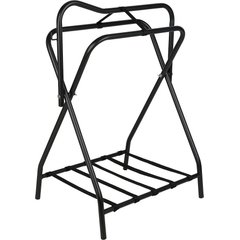
It’s a good idea to put several saddle pads or towels on the saddle rack to keep the metal bars from pressing into the underside of your saddle, where the pressure could affect the wool flocking, foam panels, or felt underside.
Choose a bridle rack that holds your bridle in a curved position, like the Horze Bridle Rack with Nametag.
Recommended Product

A curved bridle rack offers good support to help prevent damage. A bridle rack with a single hook with no curve can create pressure at the peak of the bridle, causing the leather to crack and break . Keeping leather goods organized and hanging also helps prevent unnecessary wear and twisting, so your gear is ready to use whenever you need it.
Where you store your horse equipment matters, too. Keep leather away from excessive heat, moisture, and direct sunlight, which can all damage the leather over time. A climate-controlled tack room is ideal, but if you don’t have access to such a space, you might store unused tack in your home to keep it protected.
If you’ve recently used or washed your horse blankets or saddle pads, allow them to completely dry before you fold or store them. You can place these items in a tack trunk like the Dakota 283 Horse Tack Trunk to protect them from rodents.
Recommended Product
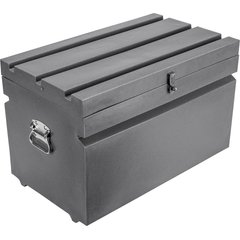
Some horse owners also store blankets in rodent-proof totes during the summer season.
Rotate Frequently Used Equipment
Equipment you use frequently sustains a lot of wear, but rotating your gear can help prolong its lifespan and gives you time to care for it in between uses. For example, alternate between multiple saddle pads and fly masks so the item that isn’t in use has time to dry out completely or be cleaned before it’s used again.
If you know you need to frequently blanket your horse in the winter, consider buying two blankets of each of the weights you’ll need. Swapping in a second blanket gives your first blanket time to dry out after a major storm. Having two blankets of each weight can also come in handy if your horse tears a blanket and you need to repair it immediately during the winter.
Use Equipment Correctly
Periodically check your horse equipment and make sure you’re using it correctly. Verify that your equipment fits you and your horse properly, since a poor fit can result in increased wear and safety issues. Avoid overtightening straps and buckles, and periodically check the fit of items like blankets to ensure they still fit your horse properly, especially if they’ve gained or lost weight.
Follow the manufacturer’s care instructions to ensure you’re properly maintaining your horse equipment. If you have an item under warranty, like a blanket or helmet, improper care could void that warranty, so refer to the care instructions if you have any questions. Use equipment only for its intended purpose, which helps prolong its lifespan.
Replace Small Parts Before They Fail
Small components in your tack can wear out, so consider keeping extras handy. Inspect these small parts regularly and replace them before they fail:
- Buckles
- Chicago screws
- Elastic straps
- Halter hardware
- Blanket straps
These small parts are usually inexpensive to replace.
Consistent maintenance helps your horse equipment last longer, and it can help keep you and your horse safe. Regular cleaning, inspections, and proper storage help protect your investment and keep your equipment performing at its best.
Making equipment management a part of your routine around the barn is a great way to get the most out of your investment while maximizing your horse’s safety.
Frequently Asked Questions
How often should I clean my horse tack?
It’s best to clean your tack after every use, so sweat and dirt don’t dry and damage the leather.
How often should leather tack be conditioned?
Factors like the age of your leather, how often you use it, and how it’s stored impact how often it needs to be conditioned. If you use your tack frequently, plan on conditioning it at least once every two to three weeks.
What’s the best way to store horse equipment?
Always make sure your horse equipment is clean and dry, and try to store it in an area where it isn’t exposed to high humidity, extreme temperatures, or sunlight. Avoid storing equipment in a way that it’s twisted or in a pile with your other gear, and make sure you choose a rodent–proof storage option.
When should I replace horse tack?
It’s important to replace your horse tack if it’s damaged or weakened and cannot be repaired. You also need to replace any tack that no longer fits your horse.
Attributions