Bell Boots for Horses: How To Tell If Your Horse Needs Them


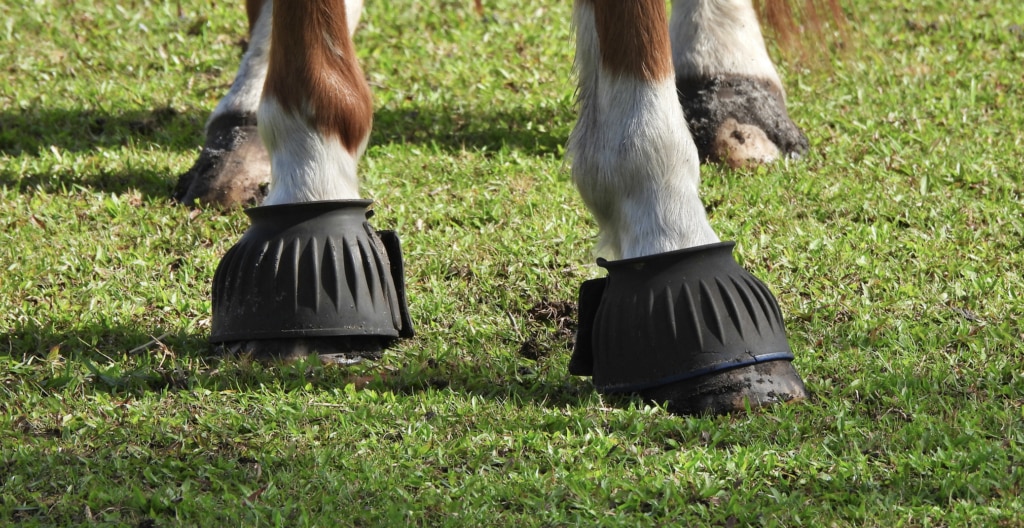
Photo by Sandi Smolker/iStock/Getty Images Plus
Bell boots may be a small piece of tack, but they protect your horse’s feet from injury while being ridden, in turnout, or during travel. Not every horse needs them, but bell boots offer many benefits.
Key Takeaways
- Bell boots protect horses from hoof injuries due to overreaching.
- Several styles are available, suitable for different situations.
- Bell boots are ideal for turnout, high-energy performance, and overreaching strides.
- Make sure to check your horse and bell boots regularly if they wear the boots for long stretches of time.
What Are Bell Boots for Horses?
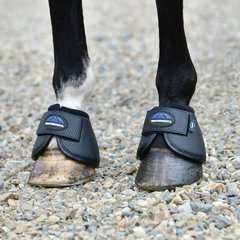
Bell boots are a piece of tack that is placed around your horse’s ankle, covering the hoof and heel bulbs to protect your horse’s coronary band, hoof, and heel bulbs from injuries such as being hit by other hooves.
Common Types of Bell Boots
There are several styles of bell boots, suitable for different purposes. Some boots combine styles.
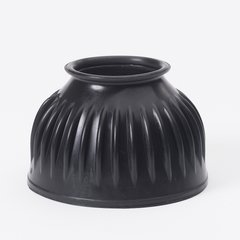
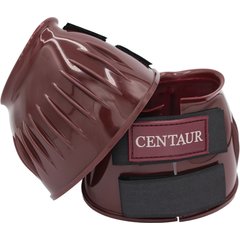
- Pull-on bell boots: This is the bell-shaped version that gave the boot its name. They’re typically made of thick rubber with a rolled top edge and a seamless design.
Recommended Product
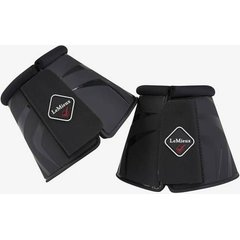
- Velcro bell boots: These can be rubber, no-turn, or other materials, but are secured with strong Velcro. They are easy to apply and remove.
Recommended Product
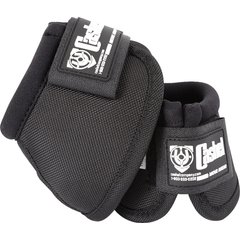
- No-turn bell boots: These are typically tough nylon or Kevlar with a bump at the back to cradle the horse’s heel, keeping the boot in place for full protection.
Recommended Product
- Rubber vs. neoprene materials: Rubber bell boots are flexible and durable, while neoprene offers comfort and moisture-wicking capabilities. Many boots are made with several materials.
Recommended Products
Why Horses Wear Bell Boots
A horse can be injured while being ridden, while alone, or while out in the pasture around other horses, when another hoof strikes their hoof area. This can cause lacerations to the sensitive coronary band and heel bulbs. It can also result in horseshoes being pulled off and damaging the hoof wall.
Bell boots are also very helpful in protecting against other kinds of injuries. For example, a hoof can get caught in a wire fence or metal shed, slicing the hoof bulb. Debris or rocks on a trail can also injure the coronary band.
Preventing Overreach Injuries
Overreaching is the term for a hind hoof striking a front hoof. When a horse is in motion, sometimes a hind leg extends farther than the front hoofprint, and “interference” between the two legs can occur. This also can happen between a horse’s legs while turning a barrel, doing a sliding stop, or navigating tricky terrain.
Overreaching can cause a serious injury, especially if the hind hoof is shod, because a horseshoe is sharp when in motion. Potential injuries include superficial lacerations and scrapes or harm to bone, tendons, ligaments, hoof wall, or joint structures.
Protecting Shoes from Being Pulled Off
When a horse overreaches, they can step on the back edge of a front shoe, pulling the shoe off. This can injure the hoof and keep you from riding until it can be replaced. Putting bell boots on your shod horse can reduce shoes being pulled off during turnout and riding.
Added Protection During Exercise
Bell boots are often used for extra protection during:
- Jumping
- Eventing
- Barrel racing
- Reining
- Cutting and working cow horse
- Trail riding and turnout
Situations Where Bell Boots Are Most Beneficial
Debating about when to put bell boots on your horse? Here are a few instances that are ideal for bell boots.
During Turnout
Bell boots protect your horse’s hooves in pastures and paddocks, reducing risks from accidental injuries, whether self-inflicted or from other horses.
During Riding and Training
It’s a good idea to put bell boots on your horse when you’re riding in a schooling session, lunging, or competing, especially in high-speed disciplines.
During Transportation
Bell boots offer extra hoof protection while trailering and can prevent accidental injuries in transit.
How To Choose the Right Bell Boots
With several styles and sizes to choose from, carefully consider your options before selecting bell boots for your horse.
Proper Fit Matters
Bell boots should fit above the coronary band, where you can fit a finger between the boot and the leg. They should also cover the back of the heel down nearly to the ground.
Too-small boots can rub your horse’s ankles and fail to cover the back of the hooves, making them useless in protecting from injury. They are too tight around the ankle and come short of touching the ground.
Too-big boots are a hazard because they can get caught on fencing, trip your horse, or get pulled off. A too-loose boot has more than a finger’s space between the top of the boot and the leg, and may drag on the ground.
Select the Best Material
Each material has its own benefits. Choose rubber for durability, neoprene for comfort, and no-turn designs for active horses.
Consider Your Horse’s Lifestyle
Turnout-only use might lead you to choose pull-on boots to reduce the chances of them coming off. You might prefer a Velcro attachment for daily riding use. For performance and competition needs, look at the standard styles used in your sport for guidance.
Can Horses Wear Bell Boots All the Time?
Some horses wear bell boots all the time because they offer continuous protection for high-risk horses, such as rambunctious youngsters and those recovering from an injury. They’re convenient for turnout, offering extra protection.
Potential Risks
Round-the-clock wear can lead to rubbing, skin irritation, and moisture buildup. It’s very important to regularly clean and inspect the boot and the hoof underneath.
Best Practices
Check your horse’s bell boots daily. Remove them and clean them. Make sure they’re free from dirt and sweat. Keep an eye on your horse for signs of discomfort from the boots.
Consult your farrier or veterinarian if you’re not sure if your horse may need bell boots.
Frequently Asked Questions About Bell Boots for Horses
Do barefoot horses need bell boots?
Yes, even without shoes, hooves have sharp edges that can cause injury if a horse accidentally steps on themselves.
Are bell boots only for horses that wear shoes?
No. Bell boots help protect the coronary band and heel bulbs from all kinds of injuries, not just from horseshoes.
How do I know if my horse is overreaching?
If you hear a thump or clack while riding, your horse often loses front shoes, or you notice cuts or scrapes on your horse’s heel bulbs and coronary band, they may be overreaching.
Can bell boots prevent every hoof injury?
No, it’s impossible to prevent all hoof injuries. But you can reduce the chance of injuries and shoe loss with bell boots.
Attributions