When to Use a Bitless Bridle for Horses


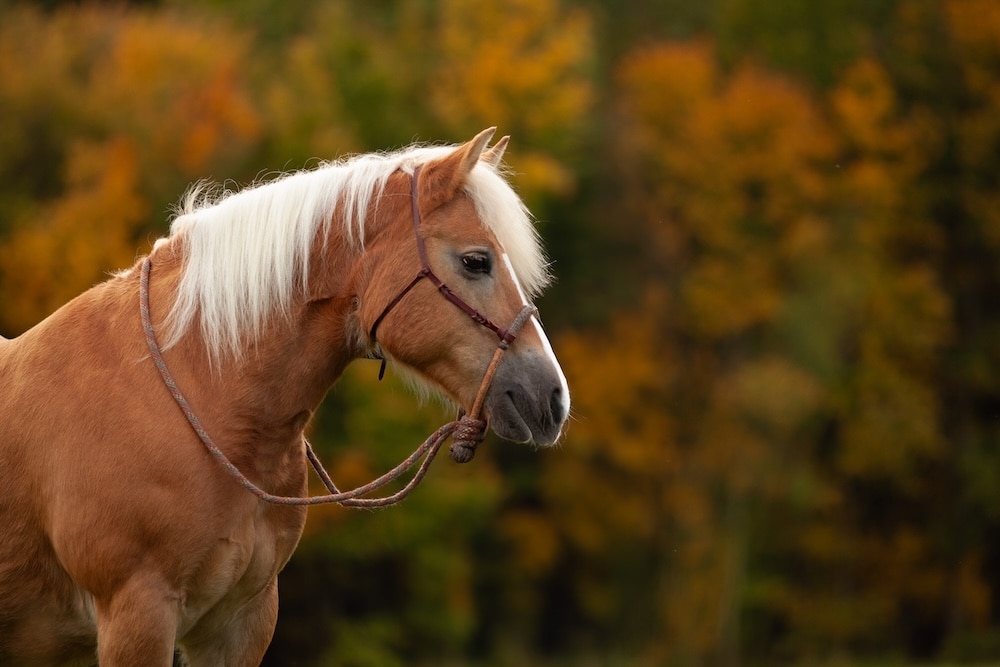
Photo by anjajuli/iStock/Getty Images
A bitless bridle is as it sounds—a bridle without the bit. Instead of a rider using a bit in the horse’s mouth to communicate, their cues are based on pressure points on the horse’s nose, head, and cheeks.
Bitless bridles are growing in popularity among recreational and competitive riders, prompting horse owners to consider when to use one. There are many benefits of a bitless bridle, but it isn’t the right choice for every horse or situation.
What Is a Bitless Bridle?
A bitless bridle is a headstall with reins but no bit.
How a Bitless Bridle Works
Traditional bridles include a bit, typically made of metal or hard plastic. The bit creates pressure on the horse’s tongue and bars (the space on the lower jaw between the horse’s teeth).
Bitless bridles apply pressure on the nose, chin, and poll (the top of the horse’s head).
Both traditional and bitless bridles require riders to have gentle hands and solid horsemanship skills.
Common Types of Bitless Bridles
All bitless bridles for horses function on pressure, but varied designs apply the pressure differently.
Types of bitless bridles include:
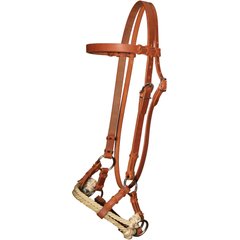
- Sidepulls: A sidepull applies pressure similar to riding with a halter with reins. Many people start young horses in sidepulls, but these are also used for trail riding and when horses have dental issues.
Recommended Product
- Cross-under: A cross-under has a noseband and straps that form an “x” under the chin. Pressure is applied mostly to the nose, and this design is often used on horses who are fearful or experience headshaking.
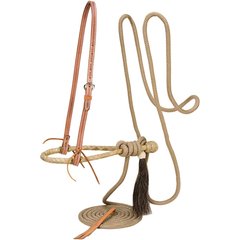
- Bosal: Bosals are most commonly used in Western disciplines. The braided rawhide noseband applies pressure to the top and sides of the nose for steering and stopping.
Recommended Product
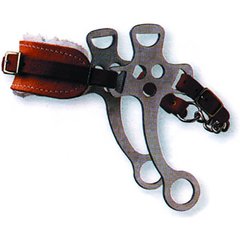
- Mechanical hackamore: Hackamores have nosebands made of several materials, including rope, metal, or leather. The mechanical pieces are shanks that the noseband attaches to, and these bridles typically have a chin strap. Also, these are often used in gymkhana events.
Recommended Product
When to Use a Bitless Bridle for Horses
There are several reasons for riding a horse in a bitless bridle. Here’s a glance at why riders choose bitless headstalls.
Horses with Sensitive Mouths
Horses recovering from oral injuries and those with scar tissue may benefit from not having a bit in their mouth. Others with anatomical deformities or negative experiences with bits may perform more comfortably in a properly fitted bitless bridle.
Young Horses Beginning Training
Many people start young horses in bitless bridles, specifically sidepulls, to introduce basic steering and cues before adding a bit. Proper groundwork should be used to create a foundation for voice commands and responding to pressure.
Horses Recovering from Oral or Dental Procedures
If a horse is recovering from an oral or dental procedure, your veterinarian may recommend temporarily riding in a bitless bridle during healing. If you’re unsure, ask for guidance.
Trail Riding and Leisure Riding
Recreational and endurance riders often choose bitless bridles to provide their horses with greater comfort during longer rides. Bitless bridles are well-suited for experienced trail riders with seasoned horses.
Riders Focused on Gentle Communication
Riding in a bitless bridle can help you learn to use lighter cues and build trust with your horse. One of the advantages of riding bitless is that it encourages riders to rely less on their hands.
People often assume bitless bridles equate to being gentler, but it’s not that simple. A rider must have the skills and confidence to guide a horse off seat, leg, and voice cues. And hard hands can hurt a horse in a bitless bridle just as much as in one with a bit.
Benefits of Using a Bitless Bridle
Many riders report positive changes when transitioning to a bitless bridle that’s matched to their horse’s needs and training. These benefits may include:
- Increased comfort for some horses: Horses with sensitive mouths, dental issues, or negative experiences with a bit may become more comfortable in a properly fitted bitless bridle.
- Reduced mouth pressure: Riding without a bit eliminates pressure on the mouth’s sensitive areas.
- May decrease head tossing or resistance caused by oral discomfort: Riding bitless may help reduce head tossing and gaping of the mouth if the behavior is related to pain.
- Encourages relaxation in certain horses: Some riders say their horses become softer, more willing, and more relaxed without a bit.
- Can improve rider confidence when used appropriately: Riders who develop clear communication through seat, leg, and rein aids experience a deeper partnership with their horses and improved horsemanship skills.
When a Bitless Bridle May Not Be the Best Choice
Horses are individuals, so it’s important to consider several factors, including your horse’s temperament, before transitioning to a bitless bridle. Also, take into account the horse’s training level and competition rules before making the switch. A bitless bridle may not be right for:
Horses Who Need Additional Training
A bitless bridle is not a substitute for training. Horses must still understand pressure and release and have trust in their rider.
Competition Rules
Many disciplines require a traditional bit during competition. Some riders choose to ride in a bitless bridle on recreational rides, and with a bit for training sessions to prepare for competition. Always review your governing organization’s regulations.
Safety Considerations
Before riding bitless, make sure your horse responds to “whoa” and cues for steering. A person’s experience with riding with cues independent of the reins is important.
How To Transition a Horse to a Bitless Bridle
Transitioning your horse to a bitless bridle is more than simply changing tack. A gradual approach can help ensure success.
Start with Groundwork
Before transitioning to a bitless bridle, reinforce cues through groundwork. Groundwork deepens trust and ensures a horse responds to pressure and voice cues.
Introduce the Bridle Gradually
When introducing the bitless bridle, start with short, low-pressure sessions. To avoid confusion or discomfort, see how your horse responds to nose pressure. Read their body language and note their reactions to the pressure.
Evaluate Fit and Adjustment
Improper fit can cause discomfort and injuries, such as sores on the face. Make sure the headstall is properly sized so the noseband rests on the bony portion of the nose. Look for pinching or pressure points, and check equipment regularly for comfort and wear.
Choosing the Right Bitless Bridle
Selecting the right bitless bridle starts with your horse’s individual needs, training, and temperament. Consider your riding discipline, experience level, and the communication style each bridle style provides. When in doubt, work with a trainer to ensure proper fit and a safe, successful transition.
Whether you choose a traditional bit or a bitless bridle, good horsemanship comes before making tack changes. Ultimately, the most effective bridle, or any other piece of tack, allows horse and rider to be comfortable and safe.
Frequently Asked Questions About Bitless Bridles
Can all horses go bitless?
It depends. Since training typically focuses on seat and leg cues, almost all horses can ride bitless; however, the horse and rider both need the skills to do so. Also, some disciplines do not allow bitless bridles in competition.
Can beginners ride with a bitless bridle?
Yes, if the horse is safe for the rider’s ability level, and the horse and rider are both confident in using a bitless bridle. Beginners should also receive instructions on how to use their hands, seat, and legs properly to steer their horse.
Attributions