Horse Blanket Temperature Guide


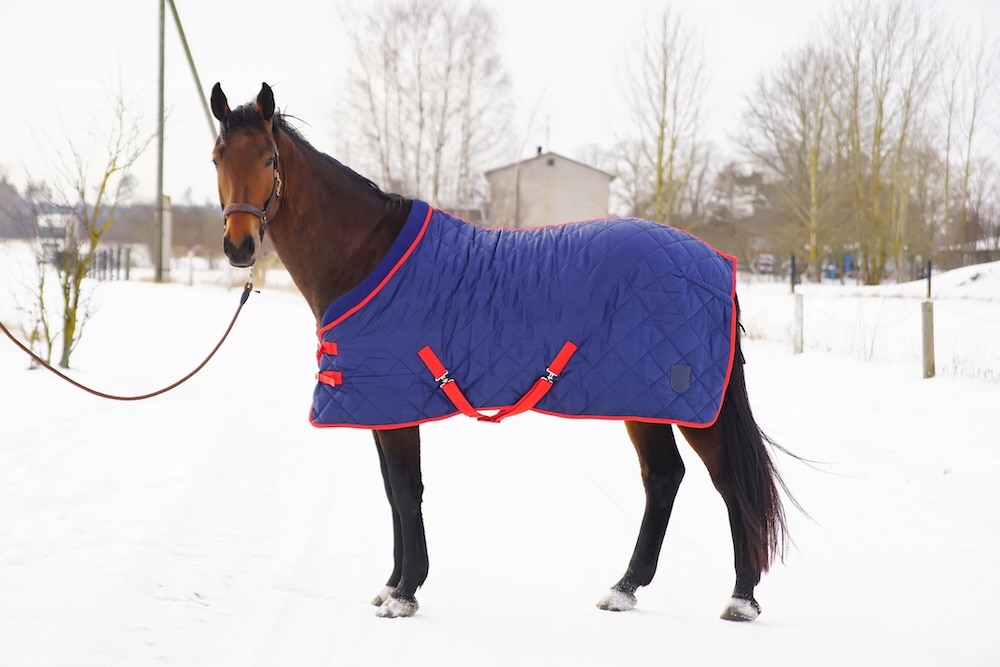
Photo by Eudyptula/iStock/Getty Images Plus
Your closet likely has a selection of sweatshirts, rain jackets, and heavier coats. The one you choose is matched to the weather conditions and your comfort level.
Choosing the right blanket weight for your horse is similar; just like humans, there isn’t a one-size-fits-all temperature for staying warm. Here’s your guide to choosing the right blanket weight for your horse to match changing conditions.
Key Takeaways
- Horse winter care often includes blanketing, but choosing the right blanket for your horse depends on more than the outside temperature.
- Weather conditions, your horse’s living environment, and factors like their age and health determine if they require a blanket and, if so, the proper blanket weight.
- Successful horse blanketing includes daily checks to ensure your horse isn’t too warm or too cold.
Do All Horses Need Blankets?
Many healthy horses can live comfortably without a blanket. Horses who have a good body condition, a full winter coat, and time to acclimate to changing weather conditions can often go without one.
However, horses who may benefit from blanketing include:
- Body-clipped horses
- Senior horses
- Young foals
- Horses with a low body condition
- Horses with certain medical conditions that affect coat growth
- Horses with naturally thinner coats
- Horses without access to shelter for extended periods of time
Still unsure of when to blanket your horse? This horse blanketing guide can help you decide. Note: If your horse has a health condition or you’re concerned about your horse’s health in relation to their blanketing needs, talk with your veterinarian.
Factors That Matter More Than Temperature Alone
Temperature is just one factor when blanketing horses. Before reaching for a blanket, also consider these important elements:
Coat Condition
Before choosing a blanket, evaluate your horse’s coat condition.
- Thick, fluffy coats provide natural insulation.
- Horses with naturally thin coats have less insulation.
- Body-clipped horses will most likely need blankets.
Weather Conditions
Evaluate the weather forecast for wind, rain, snow, and humidity. None of these alone means a horse needs a blanket, but each is important in the decision-making process.
Environment
People often assume blankets are needed because it’s cold. Access to shelter or a windbreak, sun exposure, and how long a horse is stalled or turned out also influence blanketing decisions.
Individual Horse Factors
There is no one-size-fits-all approach, even for horses living in the same climates and environmental conditions. It’s important to consider individual factors like:
- Age
- Weight
- Health status
- Breed
General Horse Blanket Temperature Guide
Even after considering multiple factors, knowing which blanket to start with and when to use heavier or lighter options can still feel confusing. The horse blanket weight chart below provides a starting point based on temperature and the considerations described above.
| Temperature | General Recommendation |
|---|---|
| Above 50 F | Most horses don't need a blanket. |
| 40–50 F | Consider a lightweight sheet for clipped, senior, or thin horses if it's wet or windy. |
| 30–40 F | Lightweight or medium-weight blankets may benefit clipped or vulnerable horses. |
| 20–30 F | Medium-weight blankets are great for many clipped horses; hardy horses with winter coats may still be comfortable without one. |
| Below 20 F | Medium- to heavyweight blankets may be appropriate depending on the horse, weather, and shelter. |
Note: These temperature ranges are general guidelines and should always be adjusted based on your horse’s individual needs and weather conditions.
For example, horses with well-developed coats may still benefit from a medium-weight blanket while older, thinner and clipped horses may require a heavyweight blanket to stay comfortable
Choose the Right Blanket Weight
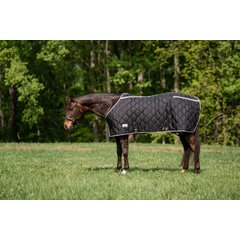
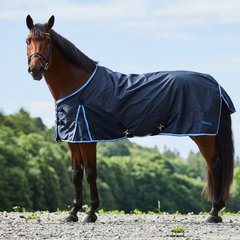
Once you decide your horse needs a blanket, the next step is selecting the appropriate weight. Stalled horses typically wear quilted blankets, while those on turnout wear blankets made to withstand wet, rugged conditions.
Stable Sheets
Unlined stable sheets are frequently used to keep horses clean. They offer minimal warmth and are made of cotton, nylon, or waterproof materials.
Recommended Products
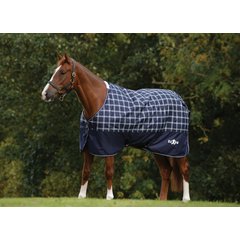
Lightweight Blankets (0–150g Fill)
For milder weather, lightweight stable blankets provide clipped horses warmth during cooler temperatures, and turnout blankets provide rain protection.
Recommended Products
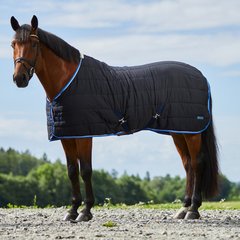
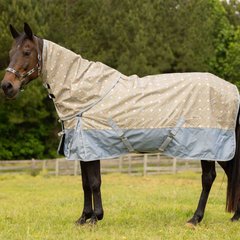
Medium-Weight Blankets (150–250g Fill)
Medium-weight blankets are ideal for use during winter conditions. They provide moderate insulation for both stalled and turned-out horses.
Recommended Products
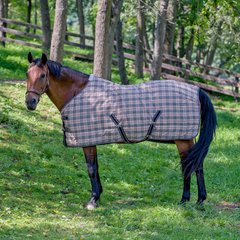
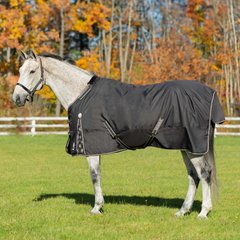
Heavyweight Blankets (300g+ Fill)
During extreme cold and severe weather, clipped or vulnerable horses may need a heavyweight stable or turnout blanket.
Recommended Products
Signs Your Horse Is Too Cold or Too Warm
If you plan to blanket, the goal is to achieve Goldilocks’ “just right” standard to avoid a situation where your horse may be too cold or too hot.
Signs Your Horse May Be Cold
Every horse responds to cold weather differently. Look for these signs to determine if your horse needs a heavier-weight blanket.
- Shivering
- Tucked tail
- Cold ears
- Weight loss despite adequate feed
Signs Your Horse May Be Too Warm
Over-blanketing can cause your horse to become uncomfortable or overheat. Monitor your horse for:
- Sweating underneath the blanket
- A damp coat
- Increased respiration
- Restlessness
Slip your hand under your horse’s blanket daily for a quick check, and regularly remove the blanket and check for rubbing, skin conditions, or body condition changes.
Blanket Management Best Practices
Weather conditions and your horse’s needs change throughout the year, as well as in midseason with unexpected storms, temperature spikes, or dips. With these management tips, you can choose the best blanket and keep your horse feeling comfortable year-round:
- Check blanket fit every day by looking for rubs around the shoulders, withers, and leg straps.
- Remove blankets regularly to inspect skin and coat for any rubs, abrasions, or infections.
- Adjust blankets as temperatures change to avoid overheating or shivering.
- Remove soaked blankets and allow them to dry to prevent chills. Have a backup blanket ready for these occasions.
- Avoid layering excessively unless needed.
- Swap out excessively dirty blankets for clean ones as needed.
Successful blanketing depends on more than just the thermometer reading. To choose the right blanket, evaluate your whole horse, including their coat and body condition, along with the weather and shelter.
Monitor your horse daily to ensure their comfort and check the blanket for damage to reduce the risk of injury. If you’re ever in doubt, schedule a visit with your veterinarian to develop a personalized horse winter care plan.
Frequently Asked Questions
At what temperature should I blanket my horse?
It depends on your horse. If yours is clipped, senior, thin, or has a health condition, you may want to start blanketing with a light sheet at 40–50 F if it’s wet or windy.
Should horses wear blankets in the rain?
Horses with access to shelter may not need a blanket in the rain, especially during warm season rains. Evaluate your horse’s individual needs and living conditions, and talk with your veterinarian if you are unsure.
Can a horse overheat in a blanket?
Yes. Horses can overheat while wearing a blanket—even while wearing a fly sheet on humid days.
How do I know if my horse’s blanket is too warm?
If your horse is sweating or their skin feels hot and damp, the blanket is too warm.
Attributions