Shipping Boots for Horses



Photo by urbancow/E+
When you transport your horse, shipping boots are a great way to reduce travel-related injuries. Shipping boots provide your horse leg protection for trailering, and can prevent bumps, scrapes, and stepping injuries.
But before you purchase a pair and put them on your horse, be sure to introduce them to your horse gradually, and check that they fit correctly. Here’s everything you need to know about shipping boots for horses.
Key Takeaways
- Shipping boots protect the lower legs and hooves during trailer travel.
- Boots should fit securely without slipping, rubbing, or restricting movement.
- Introduce and test boots before the day of travel.
- Inspect the horse’s legs and boots during longer trips and after unloading.
What Are Shipping Boots?
Shipping or transport boots are usually tall, extending from the knee or the hock down to the hoof, covering the lower leg, pastern, hoof bulb, and coronet band areas. The boots are secured with several hook-and-loop straps.
Horse shipping boots are different from leg bandages/wraps, which include quilted batting or cotton material wrapped around the horse’s lower legs and secured with long elastic bandages that are pinned or taped. Some riders opt to wrap their horse’s legs for shipping, but shipping boots can offer additional protection and are faster and easier to put on your horse.
Shipping boots are not designed to be worn while a horse is being ridden or turned out. Unlike splint boots or brushing boots, they usually cover the entire leg and don’t easily allow for athletic movement.
Types of Shipping Boots
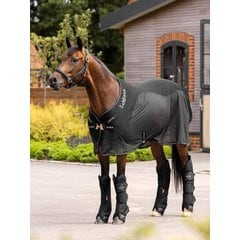
- Full-length boots: Provide more coverage for the lower leg and fetlock.
Recommended Product
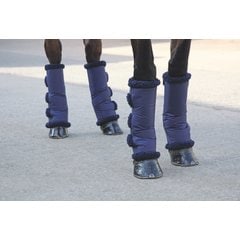
- Short boots: Offer lighter protection and may suit horses who dislike bulky equipment.
Recommended Product
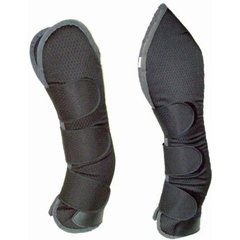
- Boots with hoof covers: Help protect the hoof, heel, and coronet band.
Recommended Product
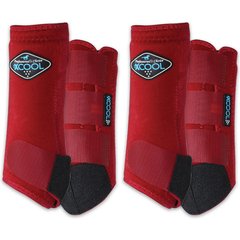
- Exercise boots with bell boots: Can protect the most vulnerable parts of your horse, will stay in place, and are less cumbersome than shipping boots.
Recommended Products
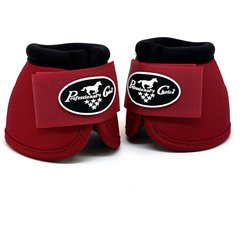
As mentioned above, shipping wraps are an alternative to shipping boots. Wrapping requires careful, even application to prevent slipping or pressure points.
Recommended Product

How To Choose Shipping Boots
First, consider how much leg and hoof coverage you want for your horse. Most shipping boots cover from at least below the knee to the pastern, but it’s a good idea to protect the coronary band and hoof too.
If your horse seems to dislike bulky boots, or you’re worried about the boots trapping too much heat while traveling on warmer days, less coverage may be a better choice.
Look for secure, adjustable fasteners. Hook-and-loop straps are the easiest to apply, while elastic wraps are the most challenging.
Boots with fleece lining are ideal for comfort and breathability, but they may increase the temperature inside the boot. A boot with a nylon interior and exterior will be more durable and easier to clean. Look for padding to cushion against impact.
Finally, check your horse’s measurements against manufacturer sizing to make sure the boots work for your horse.
How Should Shipping Boots Fit?
Depending on the style you choose, the boot should cover from the knee to the hoof, but should not come up too high on the leg, and should not drag on the ground. Boots should lie flat against your horse and remain secure without twisting or sliding.
When properly applied, the closures should be snug, not tight, and the boots should not restrict walking or put pressure on the fetlock, heel, or hoof.
Briefly walk your horse after putting on the boots, and readjust if they shift or rub. Do this before you load up in the trailer to make sure your horse will accept the feeling of the boots on their legs.
How To Put on Shipping Boots
Follow these steps to perfectly apply your horse’s shipping boots:
- Clean and dry your horse’s legs, as moisture can cause rubbing. Also, make sure there is no dirt, sweat, or debris that can irritate the leg under the bandage.
- Following the manufacturer’s instructions, apply each boot to the correct leg.
- Secure all fasteners with even pressure.
- Walk your horse to check for slipping or discomfort.
- Practice putting on the boots and letting your horse walk around in them before your trip so your horse can get used to wearing them.
Shipping Boot Safety Tips
Shipping boots can be helpful during travel, but for as safe an experience as possible, follow these steps:
- Introduce boots gradually in a calm, supervised setting. This can reduce incidents in the trailer that can cause injury.
- Inspect stitching, padding, and fasteners before use. A boot that is not secure can lead to a tangle underfoot, which is a safety hazard.
- Check the boots and legs regularly during long trips. This allows you to adjust if they’ve shifted from the correct position.
- Remove boots after unloading unless a veterinarian or professional recommends otherwise.
- Look for heat, swelling, rub marks, or hair loss. Remove the boots if you notice any of these issues.
- Load your horse carefully—not in a rush.
- Use a halter and lead rope during loading and transport, and tie your horse in the trailer.
- Make sure your trailer has proper ventilation, such as open windows with grates.
Cleaning and Storage
After each use, brush off dirt and hair from the inside and outside of the boots. When you need a deeper cleaning, wash and dry the boots following the manufacturer’s care instructions—this could mean washing in a washing machine on cold and air drying.
Clean mud and manure from the fasteners to keep them in good condition.
Store boots in a dry, ventilated area. You may want to hang them up or put them in a container with a lid to avoid rodents chewing on them.
Replace damaged or worn boots—you don’t want them to fall apart during transit.
When chosen, fitted, and introduced correctly, shipping boots can help protect your horse’s legs during trailer travel. Remember to practice using them before your trip, inspect them regularly, and always check your horse for signs of rubbing or discomfort after unloading.
Horse Shipping Boots FAQs
Does my horse need shipping boots?
Shipping boots can provide useful protection, but it depends on your horse’s temperament, the trailer, and your trip. If you have a calm horse, a trailer with rubber mats and walls, and you’re going on a short trip, you may not need boots. A nervous horse, an unpadded trailer, or a trip over bumpy roads are all great reasons to add boots.
Are shipping boots better than wraps?
Boots are easy to apply and stay put when secured correctly. They offer even pressure and full coverage. Shipping wraps can offer a custom fit and may be preferred by experienced horse owners, but require more knowledge to apply correctly—improperly applied wraps can be a danger to your horse’s legs and tendons.
Can horses wear shipping boots overnight?
Follow the manufacturer’s guidelines and your veterinarian’s recommendations. In general, avoid extended use, including overnight, without guidance.
How do I know if shipping boots are too tight?
If you notice your horse is having difficulty walking, seems to be uncomfortable, or you see signs such as swelling, rub marks, or hair loss, the boots may be too tight. Adjust the fit, or remove the boots and try a different product or size for your horse.
Attributions