Horse Blanket Management: How To Repair, Clean, and Store Horse Blankets


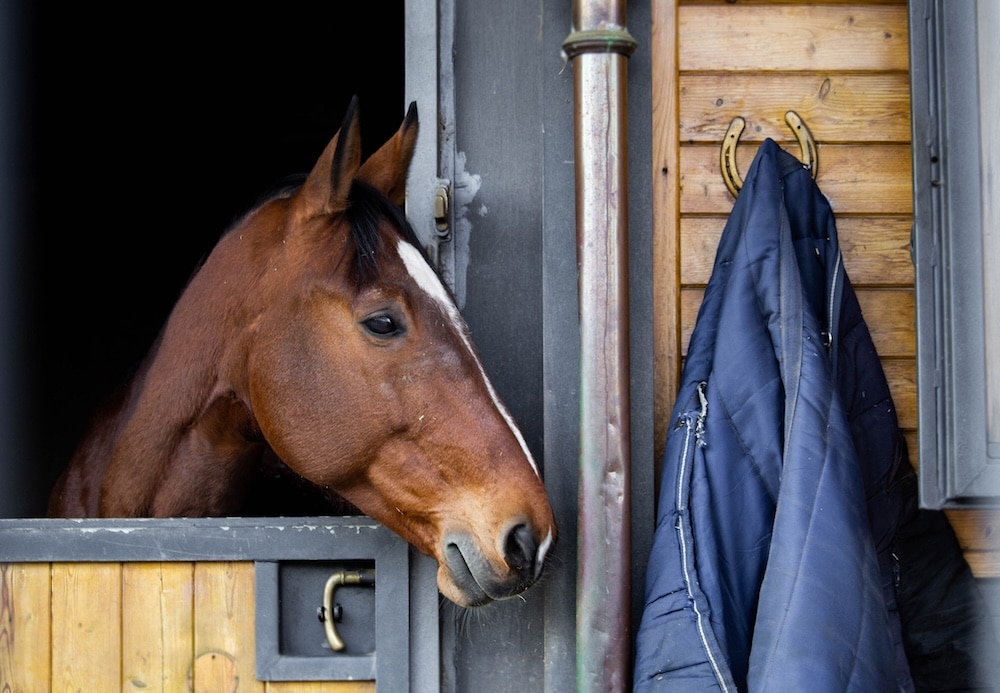
Photo by Stefania Gatti/iStock/Getty Images Plus
A horse blanket can range in cost from an inexpensive sheet to a serious investment in a heavy winter blanket. Although horses are famous for dirtying and damaging their apparel in everyday activities, with proper maintenance you can help your horse blankets last longer, perform better, and keep your horses comfortable.
Here are some ways you can inspect, repair, and clean your horse blankets, as well as store them between seasons.
Key Takeaways:
- As soon as the cold weather season is over, inspect your blanket for needed repairs and address any issues promptly.
- To repair tears, you can hand sew or use a sewing machine, use duct tape, or apply an iron-on or denim patch.
- Clean and dry your blankets before storing them.
- Store a blanket by folding it neatly, then placing it in a breathable blanket bag or plastic bin with ventilation. Keep it in a dry spot away from rodents and direct sunlight.
Inspect Horse Blankets Before Storing Them
As soon as blanket season ends, take the time to check over your blanket. It’s better to do it as soon as possible than to wait until you need the blanket again.
If you can repair small issues early, you can prevent larger damage that may not be fixable. Or if you do need a significant repair, take the time over the summer instead of needing to buy a new blanket at the last minute for a cold snap.
You’ll want to look for:
- Tears and holes in the fabric
- Loose or broken stitching
- Damaged buckles and straps
- Worn surcingles
- Leaking waterproof coatings
Clean Blankets Before Putting Them Away
Storing blankets that are dirty can lead to mold and lingering stains, and it can also attract rodents. It’s best to clean your blankets before storing them, so they’re fresh and ready when the cold weather hits.
Remove Dirt and Hair
Start by shaking off debris and removing loose hair and mud with a dandy brush, shedding blade, or utility vacuum.
Recommended Products
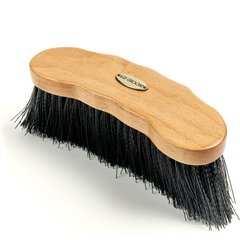
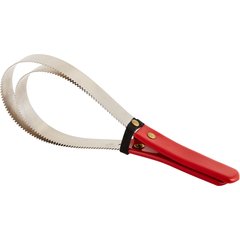
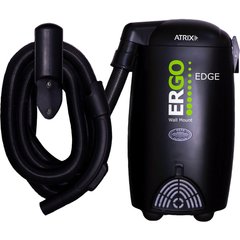
Removing hair is vital; otherwise, it can damage your washing machine.
Wash According To the Manufacturer’s Instructions
Check the manufacturer’s instructions and follow them closely. Only use blanket-safe detergents and avoid fabric softeners that may affect waterproofing.
Recommended Product
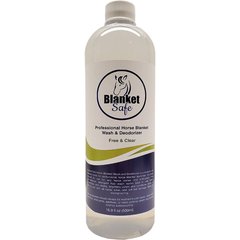
If you don’t have a barn washing machine or you have a bulky blanket, you may want to take your blankets to a laundromat to use a heavy-duty washer. Alternatively, you can work with a professional blanket cleaning service in your area.
Dry Completely
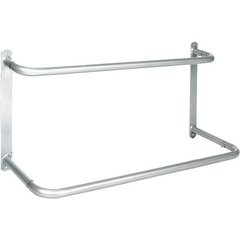
Most manufacturers recommend air-drying horse blankets. Whether you’re hanging it over a fence or on a blanket rack, make sure the fabric is completely dry before packing it away to avoid the accumulation of mold.
Recommended Product
Repair Damage Promptly
If you notice a small tear, close it immediately after cleaning the blanket to prevent it from becoming a larger tear that’s harder to repair. You can also use duct tape in a pinch.
Smaller tears can be closed by hand stitching or with a sewing machine, using a straight stitch and zig-zag stitch. You can also use an iron-on or denim patch for larger tears and holes.
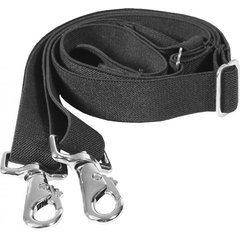
If a strap or buckle is damaged, replace it—if your horse steps on a dangling strap it can tear the blanket and possibly injure them.
Recommended Product
You can re-waterproof turnout blankets to extend their lifespan. If you have an expensive blanket or one that needs a complex repair, and if you lack the skills to do it yourself, consider using a professional blanket repair service.
Store Blankets the Right Way
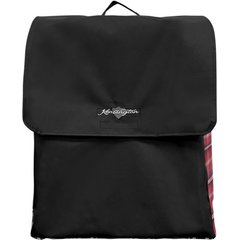
Fold a clean, dry blanket neatly and store it in a breathable blanket bag or a plastic bin with ventilation to prevent mold.
Recommended Product
Choose a cool, dry location that’s out of reach of rodents and insects. Avoid damp basements and direct sunlight.
Organize Blankets for Next Season
To keep your blankets organized, try:
- Labeling blankets by horse or by size
- Separating blankets by type, such as turnout, stable, and cooler blankets
- Storing matching neck covers together
If you need to make repairs to multiple blankets, keep records so you can remember what was done for each one.
Know When It’s Time to Replace a Blanket
Not every blanket can be salvaged. If you’re not sure if your blanket can last another season, here are signs that it needs to be replaced:
- The material is showing extensive wear
- The waterproof coating is no longer effective
- Broken hardware is beyond repair
- The blanket no longer fits due to changes in the horse’s body
- The repair time and/or cost is higher than the cost of replacement
Routine blanket maintenance, which includes cleaning, prompt repair, and proper storage, can extend the product’s life. It can also save you money and ensure you’ll have horse clothing ready for use if cold weather suddenly arrives.
FAQs About Horse Blanket Management
Should horse blankets be washed every season?
Yes, wash your horse blankets before storing them away, and throughout the year as needed. This will preserve the material and prevent mold.
Can I repair horse blanket tears myself?
Yes, especially if you address them before they start fraying or become large. You can hand-sew, use a sewing machine, apply duct tape, or apply an iron–on or denim patch.
How should I store horse blankets during summer?
After cleaning and air–drying, fold neatly and place in a breathable blanket bag or plastic bin with ventilation.
How do I know if a turnout blanket needs to be re-waterproofed?
Pour a small amount of water on the blanket to see if it beads up and rolls off or soaks in. If it soaks in, your blanket needs to be re-waterproofed.
Attributions