Can Bearded Dragons Eat Grapes?


Photo by christian_sutheja/iStock/Getty Images Plus via Getty Images
A sweet grape might seem like a fun treat to share with your beardie, but is it actually safe?
The good news is that bearded dragons can eat grapes—but only rarely. While grapes aren’t toxic to bearded dragons, they should only be offered as a special treat—not as a regular part of their diet.
Before introducing any new food into your bearded dragon’s diet, always check with your veterinarian.
Key Takeaways
- Bearded dragons can eat grapes, but only in tiny amounts and as a rare treat.
- Choose fresh, seedless grapes and cut them into small pieces before serving.
- Because grapes are high in natural sugar, adult beardies should have no more than half a grape once a month.
- Baby bearded dragons should avoid grapes altogether.
- A healthy beardie diet should focus on leafy greens, vegetables, and insects, with fruit making up a very rare portion.
Can Bearded Dragons Have Grapes?
Yes, bearded dragons can eat seedless red, green, and black grapes as a rare treat.
Because grapes contain more natural sugar than many fruits commonly offered to bearded dragons, they should be fed sparingly rather than as an everyday snack.
When feeding grapes to your bearded dragon:
- Choose fresh, ripe grapes.
- Wash them thoroughly to remove dirt and pesticide residue.
- Choose seedless grape varieties.
- Cut grapes into small, bite-sized pieces.
Avoid feeding:
- Grapes packed in syrup
- Candied grapes
- Grape jelly, jam, or preserves
- Raisins and other dried grape products
Are Grapes Good for Bearded Dragons?
Not really. Grapes aren’t considered a nutritional staple for bearded dragons, but they can provide small amounts of beneficial nutrients when offered as an occasional treat.
Grapes contain:
- Water, which helps support hydration
- Vitamin C, which supports normal immune function
- Vitamin K, which supports normal blood clotting and bone health
- Antioxidants that help protect cells from oxidative stress
- Small amounts of fiber that support healthy digestion
The high water content can make grapes a refreshing occasional snack.
However, grapes contain more sugar and generally fewer beneficial nutrients than many fruits commonly fed to bearded dragons, such as berries. That’s why grapes are best reserved for rare treats rather than regular menu items.
Are Grapes Bad for Bearded Dragons?
While grapes aren’t toxic, feeding them too many can cause problems.
Some potential health concerns include:
- High sugar content, which may contribute to weight gain over time and cause bloating as well as bacterial GI infections
- Digestive upset if fed in large amounts
- Reduced interest in healthier staple foods
- Nutritional imbalances if grapes regularly replace nutrient-rich vegetables and insects
How Many Grapes Can Bearded Dragons Eat?
Like all fruit, grapes should be considered a treat rather than a dietary staple.
And treats, including grapes, should make up no more than 5% of your bearded dragon’s total diet. For baby beardies, it’s best to avoid grapes altogether due to the high sugar content.
Here’s how much of a grape is safe for your beardie to eat:
| Bearded dragon age | Serving size |
|---|---|
| Baby (under 12 months) | Avoid |
| Adult (12+ months) | About ½ grape, cut in two, no more than once a month |
How To Safely Feed Grapes to Your Bearded Dragon
Preparing grapes properly helps make snack time safer.
- Choose seedless grapes.
- Wash grapes thoroughly to remove dirt and pesticide residue.
- Cut grapes into small, manageable pieces.
- Offer only a small amount at one time.
- Remove uneaten fruit after feeding to prevent spoilage and bacterial growth in the enclosure.
You can also offer grape pieces on their own or mix a small amount into a salad containing beardie-safe greens, such as collard greens, mustard greens, dandelion greens, or turnip greens.
My Bearded Dragon Ate Too Many Grapes—What Do I Do?
If your bearded dragon eats more grapes than recommended, monitor them for signs of digestive upset over the next 24–48 hours.
Look out for:
- Soft or watery poop
- Decreased appetite
- Lethargy
- Signs of dehydration
Contact your veterinarian if symptoms develop or worsen.
What Should Bearded Dragons Eat Instead of Grapes?
A healthy bearded dragon diet is built on nutrient-rich, species-appropriate foods—with fruits like grapes playing only a small supporting role, if any at all.
Daily nutrition should focus on:
- Leafy greens like collard greens, mustard greens, and dandelion greens
- Vegetables like squash and bell peppers
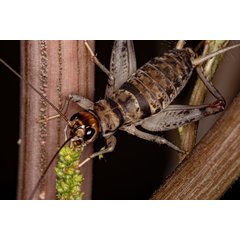
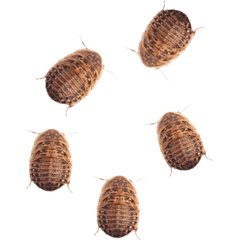
- Insects such as crickets or dubia roaches
Recommended Products
Other safe fruits, to eat in moderation, include:
- Apples (without seeds)
- Blueberries
- Cantaloupe
- Mango
- Papaya
- Peaches (without pits)
- Pears (without seeds)
- Raspberries
- Strawberries
- Tomatoes
- Watermelon
As with grapes, these fruits should be offered sparingly as part of a balanced diet that primarily consists of vegetables and appropriately sized insects.
FAQs About Grapes for Bearded Dragons
Can baby bearded dragons eat grapes?
No. It’s best to avoid feeding grapes to baby bearded dragons. Young beardies have different nutritional needs than adults and should focus on protein-rich insects and nutritious vegetables to support healthy growth.
Can bearded dragons eat green grapes?
Yes, seedless green grapes can be offered occasionally as a treat.
Can bearded dragons eat red grapes?
Yes, seedless red grapes are safe when fed in moderation.
Can bearded dragons eat grape skins?
Yes, grape skins are safe as long as the grapes are thoroughly washed before feeding.
Can bearded dragons eat raisins?
No. Avoid raisins since they have a lot more sugar than fresh grapes. Regularly feeding sugary foods may contribute to obesity and digestive issues in bearded dragons.
Attributions
This article was created with assistance from AI tools. The content has been reviewed for accuracy and edited by a human.