Can Bearded Dragons Eat Spinach?


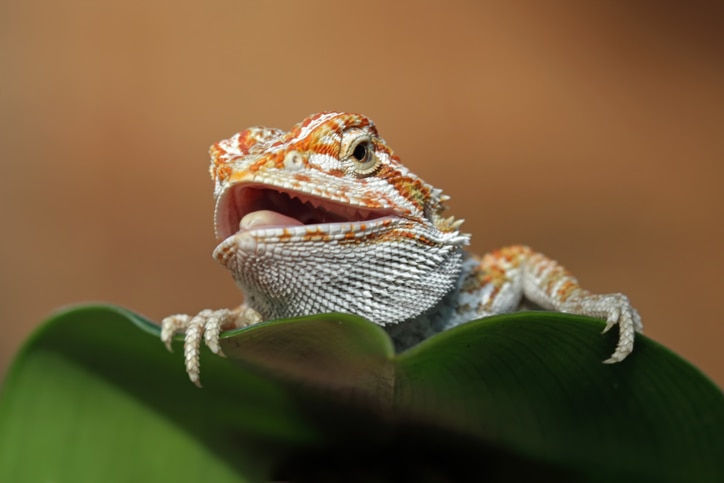
Photo by agus fitriyanto/iStock/Getty Images Plus
If you’re building a healthy salad for your bearded dragon, spinach might seem like a natural choice. But can bearded dragons eat spinach safely?
Yes, bearded dragons can eat spinach, but that doesn’t mean they should eat spinach. And if they do, it should only in very small amounts and not very often. While spinach contains some minimal nutrition benefits, it also has compounds that can interfere with calcium absorption, making it a less than ideal choice for regular feeding.
Before introducing any new food into your bearded dragon’s diet, always check with your veterinarian.
Key Takeaways
- Yes, bearded dragons can eat spinach—but that doesn’t mean they should.
- Spinach contains oxalates, natural compounds that bind to calcium and prevent your dragon’s body from absorbing it properly.
- Even though spinach has vitamins, the risks outweigh the benefits, so it’s best to limit it or avoid it altogether.
- Collard, mustard, and dandelion greens are much safer leafy options for your bearded dragon.
- Feeding too much spinach over time can contribute to serious health issues, including weak bones.
Is Spinach Good for Bearded Dragons?
No, spinach isn’t good for bearded dragons. Spinach might be considered a “superfood” for humans, but for bearded dragons, it’s more complicated.
Spinach does contain nutrients like vitamin A, vitamin C, and iron. However, because bearded dragons can only eat very small amounts of it, they don’t get enough of these nutrients for it to meaningfully benefit their health.
Is Spinach Bad for Bearded Dragons?
Yes, spinach can be bad for bearded dragons. It isn’t toxic for them, but eating too much can cause problems. Here’s why:
- High in oxalates: These compounds bind to calcium in the digestive tract, preventing it from being absorbed.
- Reduces calcium availability: Even if you’re providing calcium-rich foods or supplements, your dragon may not fully benefit from them.
- Increases risk of metabolic bone disease: Over time, poor calcium absorption can lead to metabolic bone disease, which can cause weakness, soft bones, and mobility issues.
Because of this, most reptile nutrition experts recommend choosing lower-oxalate greens—such as collard greens, mustard greens, dandelion greens, or turnip greens—as staple foods for everyday feeding.
How Much Spinach Can Bearded Dragons Eat?
When it comes to spinach, it’s best to keep it off your bearded dragon’s plate.
For babies (under age 12 months), it’s important to avoid spinach entirely. If you must feed your adult beardie spinach:
- Wash the spinach thoroughly and only serve it raw.
- Offer only one small leaf, finely chopped, every two to four weeks.
- Mix it with calcium-rich greens, like collard or mustard greens, to balance out the meal and reduce the overall impact of oxalates.
However, it’s best to choose another leafy green.
What Happens If Bearded Dragons Eat Too Much Spinach?
If spinach shows up too often in your dragon’s diet, negative health effects can build slowly over time.
Potential issues include:
- Reduced calcium levels: Because oxalates bind to calcium, your dragon may not absorb enough—even if their diet looks balanced on paper.
- Weak or soft bones: Over time, low calcium can weaken bone structure, making it harder for your dragon to move comfortably.
- Lethargy or decreased activity: Calcium also plays a role in muscle function, so low levels can lead to low energy or sluggish behavior.
- Muscle tremors (in severe cases): Severe calcium deficiency can affect nerve signaling, leading to shaking or twitching.
These changes are often gradual, which is why prevention is so important.
My Bearded Dragon Ate Too Much Spinach—What Do I Do?
If your dragon got into more spinach than planned, don’t panic—but do take steps to get things back on track.
If your beardie ate more than a small amount of spinach, you might notice:
- Decreased appetite
- Lethargy
- Subtle changes in movement or strength
If your bearded dragon has eaten too much spinach, you should:
- Remove any remaining spinach from their enclosure
- Return to a calcium-rich diet of vet-recommended greens
Recommended Product
- Offer fresh water in an easy-to-access water pool to support hydration.
Recommended Product

- Monitor them closely over the next several days.
If your beardie accidentally eats too much spinach one time, it’s not usually an emergency, but it’s smart to call your veterinarian to confirm.
If you notice tremors, weakness, or difficulty moving, these can be signs of a calcium imbalance. In that case, head to your veterinarian or an emergency vet.
Which Greens Are Better Than Spinach?
If you’re putting together your dragon’s daily greens, there are much safer—and more nutritious—options to choose from.
Great staple greens include:
- Collard greens: These are very high in calcium, helping support strong bones and proper muscle function.
- Mustard greens: These can be fed regularly and provide vitamins and a good calcium balance.
- Dandelion greens: Rich in calcium and fiber, dandelion greens support digestion and overall health.
- Turnip greens: Turnip greens offer a good mix of calcium and essential nutrients.
FAQs About Bearded Dragons and Spinach
Can bearded dragons eat spinach every day?
No, spinach should not be fed daily or often. Its high oxalate content can interfere with calcium absorption and lead to long-term health issues, so it’s best to limit or avoid it altogether.
Is spinach ever safe for bearded dragons?
Yes, a very small amount of occasional spinach is safe—about once every 2–4 weeks for adult bearded dragons—but baby beardies under a year old should never eat spinach.
What leafy greens are best for bearded dragons?
Collard greens, mustard greens, and dandelion greens are among the best leafy greens because they’re rich in calcium and low in oxalates.
Can baby bearded dragons eat spinach?
No, baby bearded dragons under a year old should never eat spinach. Their growing bodies need high levels of calcium, and spinach can interfere with absorption.
Attributions
This article was created with assistance from AI tools. The content has been reviewed for accuracy and edited by a human.