Can Bearded Dragons Eat Watermelon?


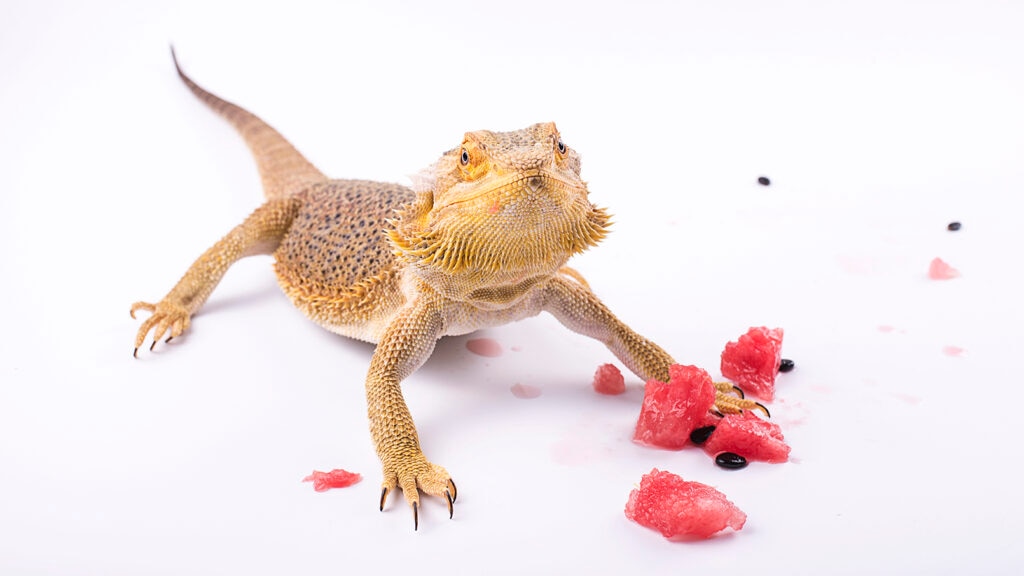
Photo by Kaan Sezer/iStock/Getty Images Plus via Getty Images
If your bearded dragon perks up when fresh fruit appears, you’re not alone—many beardies enjoy sweet treats. So, can bearded dragons eat watermelon?
Yes, they can, but only in small amounts and only on occasion. Watermelon is not toxic, but it’s high in sugar and low in key nutrients, so it’s best saved for occasional snacking.
Think of watermelon as the reptile version of dessert—fun every once in a while, but not something you’d want to serve every day.
Before introducing any new food into your bearded dragon’s diet, always check with your veterinarian.
Key Takeaways
- Bearded dragons can eat watermelon as a rare treat.
- Fresh watermelon flesh is safe, but the rind and seeds should be removed.
- Watermelon provides hydration and some vitamins, but it's high in natural sugar.
- Too much watermelon may cause digestive upset and can crowd out more nutritious foods.
- Most of your beardie's diet should come from leafy greens, vegetables, and appropriately sized insects.
Can Bearded Dragons Have Watermelon?
Yes, bearded dragons can have watermelon in small amounts and very infrequently. Fresh, ripe watermelon flesh thoroughly cleaned and cut into small pieces is the safest option.
It’s best to avoid:
- Watermelon rind
- Watermelon seeds
- Candied watermelon
- Watermelon-flavored snacks
- Watermelon juice with added sugar
- Dried or processed watermelon products
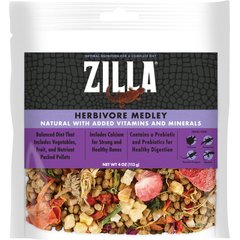
If you’d rather skip fresh fruit prep, you can also treat your beardie to store-bought reptile treats that include a mix of fruits, like:
Recommended Products

Is Watermelon Good for Bearded Dragons?
Watermelon won’t make the list of the most nutrient-dense foods for bearded dragons, but it does offer a few benefits when fed occasionally.
Some potential perks include:
- Extra hydration thanks to its high water content
- Beta-carotene, which supports healthy skin and eye health
- Vitamin C and antioxidants that help support overall well-being
- Variety and enrichment that can make mealtime more interesting
That said, watermelon shouldn’t replace staple foods. Bearded dragons need a balanced diet built around vegetables, leafy greens, and appropriately sized insects.
Is Watermelon Bad for Bearded Dragons?
Like many sweet treats, watermelon is one of those foods where a little goes a long way.
Offering too much watermelon too often can lead to issues like digestive upset and diarrhea. Other common concerns include:
- Excess sugar intake, which can lead to bacterial intestinal issues
- Reduced interest in healthier foods
- Nutritional imbalances over time
Another concern is calcium. Bearded dragons need adequate calcium to support healthy bones and normal body functions. Watermelon doesn’t provide the calcium levels beardies need, which is another reason it’s best offered as an occasional treat rather than a dietary staple.
How Much Watermelon Can My Bearded Dragon Eat?
Watermelon should make up only a very small part (no more than 2%) of your bearded dragon’s overall diet. The rest should come from a well-balanced diet of vegetables and insects.
For an average adult bearded dragon, three to four small, bite-size cubes offered once or twice a month is enough.
Your veterinarian can recommend the best portion size based on your bearded dragon’s age, size, and health status.
How To Safely Feed Watermelon to Your Bearded Dragon
Before you serve up a watermelon snack, take a few minutes to prep it properly. Your beardie’s digestive system will thank you.
- Wash the watermelon thoroughly.
- Remove all seeds.
- Remove the rind completely.
- Cut the fruit into small, bite-size pieces.
- Offer watermelon on its own or mixed with beardie-safe greens.
- Remove uneaten fruit promptly.
My Bearded Dragon Ate Too Much Watermelon—What Do I Do?
Did your bearded dragon turn a small treat into an all-you-can-eat watermelon buffet? Don’t panic. Eating a little extra watermelon is unlikely to cause a serious problem in an otherwise healthy beardie. However, you may notice:
- Loose stools
- Diarrhea
- Softer-than-normal droppings
- Mild digestive upset
- Temporary decrease in appetite
If your bearded dragon seems lethargic, stops eating, develops severe diarrhea, or shows any other concerning symptoms, contact your veterinarian. Signs like loss of appetite or abnormal stool can indicate a larger issue and shouldn’t be ignored.
Be prepared to share:
- How much watermelon your beardie ate
- Whether any rind or seeds were consumed
- When the watermelon was eaten
- Any symptoms you’ve noticed
What Other Fruits Can Bearded Dragons Eat?
While watermelon is one option, it’s not the only fruit your beardie can enjoy. Other fruits commonly offered as occasional treats include:
- Strawberries
- Blueberries
- Mango
- Papaya
- Cantaloupe
As with watermelon, fruit should be a small part of an otherwise balanced bearded dragon diet.
FAQs About Watermelon for Bearded Dragons
Can bearded dragons eat watermelon every day?
No. Even if your beardie acts like watermelon is the greatest thing they’ve ever tasted, this fruit should stay in the occasional-treat category. Daily feeding can contribute to excess sugar intake and nutritional imbalances.
Can baby bearded dragons eat watermelon?
Baby bearded dragons can have very small amounts of watermelon, but growing beardies need diets focused primarily on appropriately sized insects and balanced nutrition.
Can bearded dragons eat watermelon rind?
No. Watermelon rind is difficult to digest and may increase the risk of digestive problems.
Can bearded dragons eat watermelon seeds?
Remove all seeds before feeding watermelon. Seeds can pose a choking hazard and may be difficult for your beardie to digest.
Attributions
This article was created with assistance from AI tools. The content has been reviewed for accuracy and edited by a human.