Brazilian Rainbow Boa Care Sheet


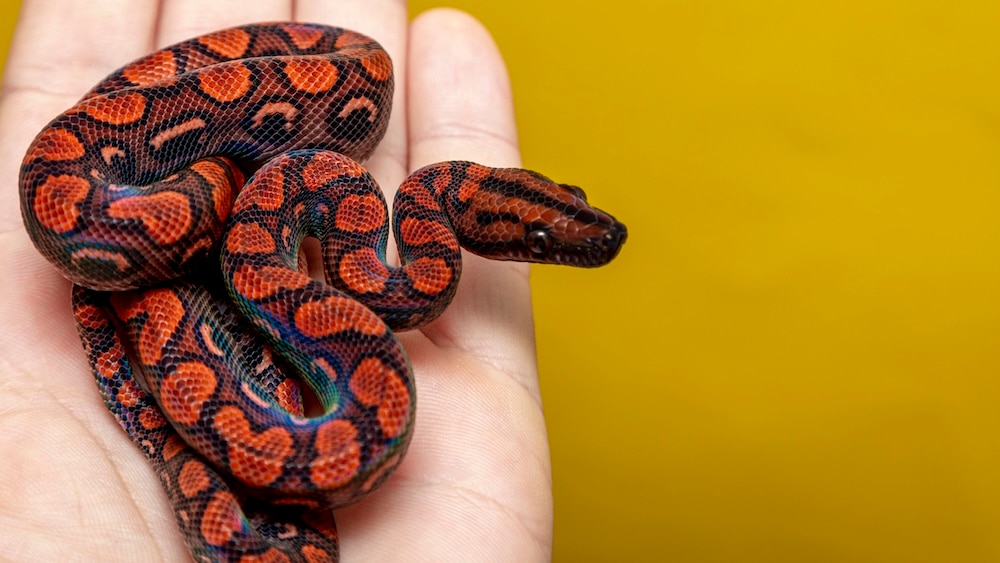
Photo by Murilo Gualda/iStock/Getty Images Plus
The Brazilian rainbow boa is a nonvenomous snake native to central South America and Costa Rica. These beautiful, iridescent snakes make wonderful pets for those who understand their nature and know how to care for them properly.
Brazilian Rainbow Boa Overview
- These snakes aren’t aggressive, but even properly socialized Brazilian rainbow boas don’t enjoy being handled.
- Brazilian rainbow boas are great pets for beginners, as long as you have enough space in your home for their tank.
- As pets, rainbow boas can live up to 30 years, so they require a long-term commitment.
Fun Facts About Brazilian Rainbow Boas
- Brazilian rainbow boas aren’t venomous, but you might hear a loud hiss if they suspect predators.
- This snake’s scales are iridescent, reflecting light and creating a rainbow-like effect.
- Since they have poor eyesight, Brazilian rainbow boas feel vibrations in their environment to gauge what’s happening.
Brazilian Rainbow Boa Enclosure
Your Brazilian rainbow boa needs a well-ventilated, secure tank with a tight-fitting screened lid. Juveniles need a tank that’s 55 gallons, while adults need at least 125 gallons. House Brazilian rainbow boas alone.
Recommended Products
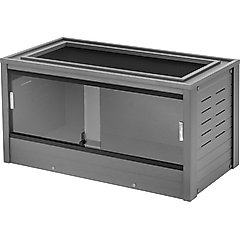

Whenever possible, get the largest enclosure you can.
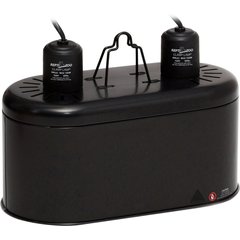
Your pet’s tank should have a warmer side, with temperatures around 85–90 F. The cooler side should stay around 70–75 F. Put a thermometer on either end of the tank to monitor temperatures daily, or use a digital point-and-shoot thermometer for an instant read. Install an over-the-tank basking lamp to provide your pet with heat.
Your Brazilian rainbow boa should have eight to 12 hours of ultraviolet light exposure daily. Some UV lightbulbs provide light and heat. Place the UV bulb 12–18 inches above the highest point where your pet basks.
Recommended Product
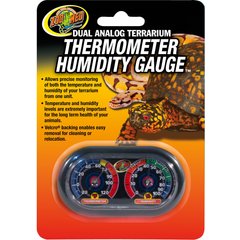
Keep humidity between 70–80% by misting the tank often with clean water, and use a humidity gauge to measure it daily.
Recommended Product
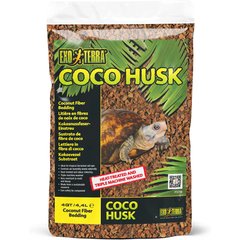
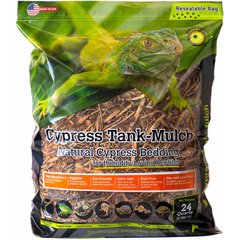
Line the bottom of the tank with at least 2 inches of loose substrate, like cypress mulch or coconut husk.
Recommended Products
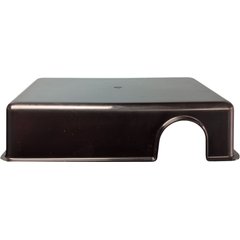
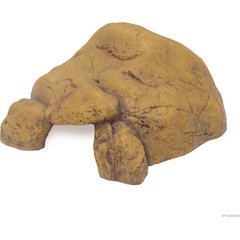
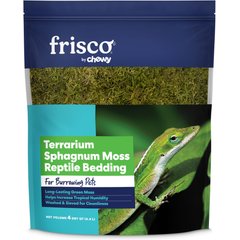
Your snake’s enclosure decor should include at least two hideout boxes—one on each side of the tank—for privacy and to help regulate body temperature. Add moist sphagnum moss inside the hideout box on the warmer side to boost humidity.
Recommended Products
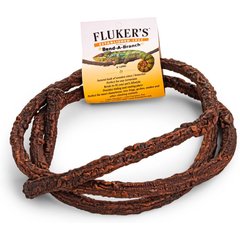
Include a variety of climbing branches, shelves, and plants to encourage your pet to exercise.
Recommended Products
Your Brazilian rainbow boa needs a large water bowl to fully soak in and drink from. Use a sturdy product that’s made of safe, durable materials, and ensure it always has fresh, clean water.
Recommended Product

Cleaning and Maintenance
Disinfect the tank weekly with a 3% bleach solution or habitat cleaner. Follow these steps to effectively clean your pet’s enclosure:
- Move the snake to another secure tank.
- Take out the decor and accessories for cleaning.
- Discard old substrate.
- Scrub the tank, accessories, and decor with your habitat cleaner.
- Let the solution sit on the enclosure for at least 10 minutes to ensure the surfaces are disinfected.
- Thoroughly rinse the tank and all items until you no longer smell the cleaning agent.
Once everything is dry, add new substrate and put back the cleaned decor and accessories. Finally, gently place your snake back in their enclosure.
Brazilian Rainbow Boa Diet
Feed your Brazilian rainbow boa whole, thawed, previously frozen rodents like rats and mice.
Recommended Products


If you can, place your snake in a different enclosure for feedings. Use tongs—not fingers—to place food into a dish if you feed your pet in their regular tank.
Recommended Product

Feed juveniles once a week with pinkies (young, nearly hairless mice). As your snake grows, they can start eating fuzzies and hoppers (larger, immature mice).
Once your snake reaches full adulthood, they can eat full-grown mice and rats once every one to two weeks. Food should be no larger than the snake’s body width.
How To Hold a Brazilian Rainbow Boa
Wash your hands before and after handling snakes, as these reptiles can carry infectious diseases like Salmonella.
Even socialized Brazilian rainbow boas may not enjoy regular handling. When handling, approach your pet calmly and quietly. Although gentle and slow-moving, they may mistake hands for food during shedding, due to their impaired vision.
Brazilian rainbow boas shed many times a year, usually in one complete piece. You’ll know your snake is starting to shed when you notice their eyes turn a blue or green color. It’s normal for snakes to be irritable during shedding, so avoid handling during this time.
Brazilian Rainbow Boa Health
Take your Brazilian rainbow boa to an exotic vet once a year for an annual checkup. You may need to visit the vet more often if your snake is sick or injured.
Healthy Brazilian rainbow boas have clean, clear eyes, with no swelling or bumps on their skin, and a relaxed demeanor with regular tongue-flicking.
Call a vet if you notice anything out of the ordinary, like cloudy eyes, stuck shed, skin lesions, or loss of appetite. If there is discharge around the cloaca, you notice tumors, or your pet is lethargic, these might be signs of larger issues.
Brazilian Rainbow Boa Supply Checklist
- Appropriately sized habitat
- Sphagnum moss and substrate
- Water bowl
- Frozen rodents
- Plants, climbing decor, and hideaways
- Heat lights and fixtures
- UV light emitter
- Under-tank heater and thermostat
- Thermometers and humidity gauge
- Mister
FAQs About Brazilian Rainbow Boas
How long do Brazilian rainbow boas live?
With proper care, Brazilian rainbow boas can live up to 30 years.
Where do Brazilian rainbow boas live in the wild?
Brazilian rainbow boas are found in the Amazon Basin in South America (parts of Venezuela, some parts of Guyana, Suriname, Brazil, and north of Peru).
How big do Brazilian rainbow boas get?
Brazilian rainbow boas average about 4–6 feet in length.
Click here for a printable PDF version of this care sheet!
Attributions