How Long Do Toads Live? A Toad Lifespan Guide


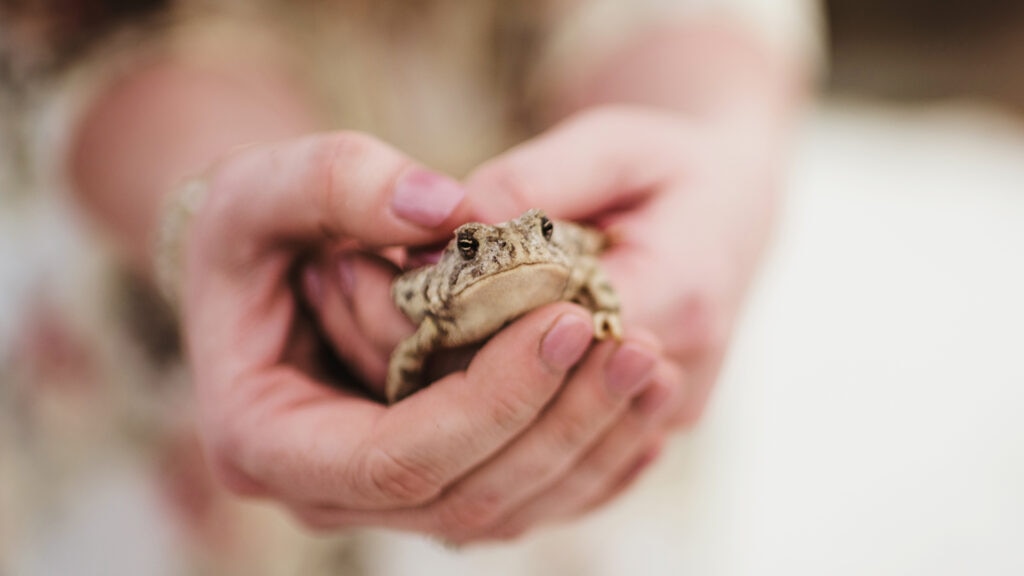
Photo by madisonwi/E+ via Getty Images
Toads may be small and unassuming, but they can be surprisingly long-lived companions. With proper care, many pet toads can live 10 years or more, depending on the species.
From a comfortable habitat to a balanced diet and clean water, here’s what helps toads live long, healthy lives.
Key Takeaways
- Many pet toads can live 10 years or longer with proper care, though lifespan varies by species.
- Terrestrial and semi-aquatic toads have different housing needs, so it’s important to know your toad’s species.
- Species-appropriate temperature, humidity, and clean, treated water are essential to a toad’s health.
- A varied insect diet, minimal handling, and regular care from an amphibian-experienced veterinarian help support longevity.
How Long Do Toads Live?
A toad’s lifespan depends on their species. Many pet toads can live 10 years or more, while some fire-bellied toads can live up to 15 years with proper care.
Age, health history, and daily care also affect longevity. Before bringing a toad home, research their species’ needs, choose a reputable source for a captive-bred pet, and find a veterinarian who treats amphibians. Leave wild toads in their natural habitats.
What Impacts a Toad’s Lifespan?
Several factors influence how long toads live, including:
- Species and habitat: Terrestrial toads need suitable land space, substrate, and hiding places and shallow water areas, while semi-aquatic species also need a deep water area with easy access to land. Choose a secure enclosure with species-appropriate ventilation, lighting, and water depth.
- Temperature and water quality: Maintain appropriate temperature and humidity and use properly treated water. Keep cleaning chemicals and soap residue away from the habitat, as amphibian skin is sensitive to substances in their environment.
- Nutrition: Offer a variety of appropriately sized, gut-loaded feeder insects. Ask your veterinarian about calcium and vitamin supplements and feeding schedules for your toad’s age. Avoid wild-caught insects, which may carry pesticides or parasites.
- Handling and health: Toads are best observed rather than frequently handled. If handling is necessary, follow amphibian-safe handling practices, including appropriately moistened, powder-free gloves as advised. Wash your hands after habitat care, keep amphibian supplies away from food-preparation areas, and monitor your toad for changes in appetite, posture, or activity.
How To Help Your Toad Live a Longer Life
A few consistent habits can help keep your toad healthy for years to come.
Choose the Right Substrate
Select habitat bedding and substrate appropriate for your toad’s species. Zoo Med Eco Earth Loose Coconut Fiber Reptile Substrate may suit some terrestrial setups; confirm the material and moisture level with your veterinarian.
Recommended Product

Monitor Temperature and Humidity
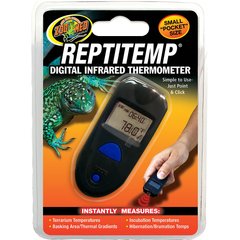
Use appropriate gauges to track habitat conditions. A Zoo Med ReptiTemp Digital Infrared Thermometer can help measure surface temperatures but doesn’t replace a humidity gauge or thermostat.
Recommended Product
Keep Water and Bedding Clean
Refresh soaking water, remove waste promptly, and replace soiled substrate. Follow a cleaning schedule appropriate for your toad’s species and enclosure.
Feed a Balanced Insect Diet
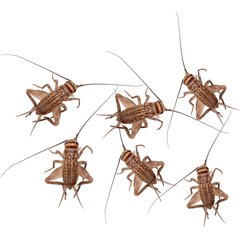
Offer a variety of appropriately sized, gut-loaded live feeder insects, such as Feeder Insects Live Crickets, if they’re an appropriate size for your toad.
Follow your veterinarian’s supplement recommendations and remove uneaten live prey to prevent injuries.
Recommended Product
Provide Quiet Hiding Places
Give your toad secure hides and caves, such as a small Zoo Med Habba Hut Reptile Hideout. Choose a retreat your toad can enter and leave comfortably.
Maintain a consistent day-night routine, and keep the habitat away from direct sunlight, loud activity, and other pets.
Recommended Product

Watch for Signs of Illness
Contact your veterinarian if your toad has persistent appetite loss, weight loss, sores, swelling, abnormal movement, or unusual lethargy. Avoid using fish medications or other home treatments without veterinary guidance.
Attributions
This article was created with assistance from AI tools. The content has been reviewed for accuracy and edited by a human.