Axolotl Lifespan: How Long Do Axolotls Live?


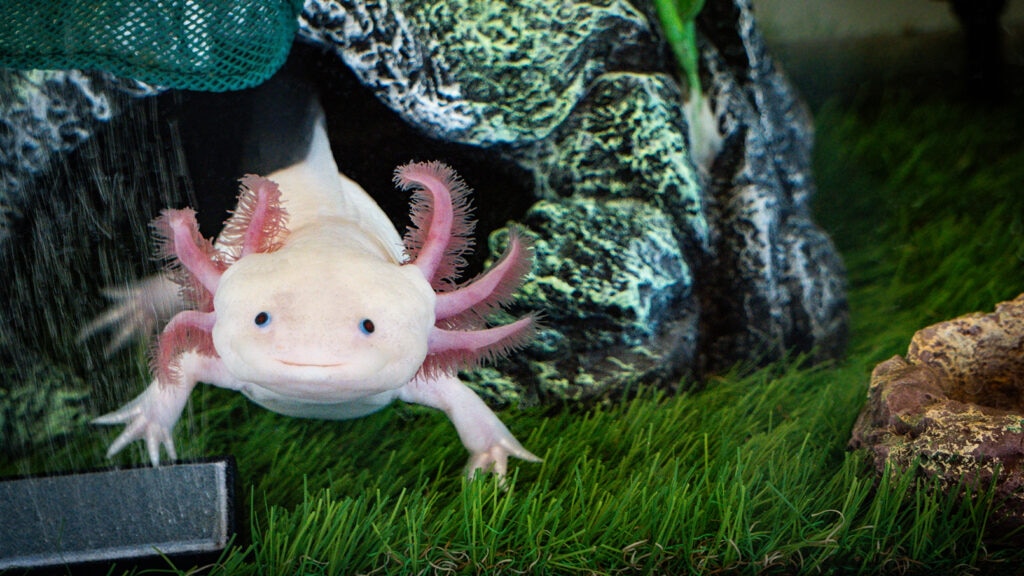
Photo by Renata Tyburczy/iStock/Getty Images Plus via Getty Images
Axolotls may look whimsical, but their care is precise: cool water, gentle filtration, stable chemistry, and very little handling.
With proper care, pet axolotls typically live 10–15 years, and some have been reported to live up to 20 years. That makes them a long-term commitment for someone who enjoys a steady aquarium routine.
Here’s what affects how long axolotls live and how to help yours thrive.
Key Takeaways
- Pet axolotls commonly live 10–15 years with good care, though some reach 20.
- Water quality is one of the biggest factors affecting an axolotl's health and lifespan.
- Axolotls need cool water (ideally 60–64 F), a fully cycled tank, gentle filtration, safe substrate, hiding places, and a carnivorous diet.
- Axolotls should only be handled when necessary. Check local ownership laws and establish care with an amphibian veterinarian before bringing one home.
How Long Do Axolotls Live?
Pet axolotls typically live 10–15 years with proper care, and some have lived up to 20 years. Wild axolotls are critically endangered, so nearly all pet axolotls come from captive-bred stock.
Before bringing one home, check state and local laws, as axolotl ownership is restricted in some areas.
What Impacts an Axolotl’s Lifespan?
Several factors affect how long an axolotl lives, and most of them depend on their environment. Most health problems in pet axolotls are linked to how they’re housed and fed.
Tank Size
Adult axolotls need at least a 30-gallon tank, though a 40-gallon breeder tank is ideal. Juveniles can live in a 10- to 20-gallon tank, but starting with a larger tank allows room for growth and helps maintain stable water quality.
Always use a secure lid, as axolotls can jump.
Water Quality
Axolotls have thin, permeable skin, making water quality essential to their health. Aim for:
- Ammonia: 0 ppm
- Nitrite: 0 ppm
- Nitrate: Ideally below 10 ppm; never above 20 ppm
- pH: 7.4–7.6 (6.5–8.0 is acceptable)
- Chlorine and chloramine: 0 ppm
Fully cycle the tank before bringing your axolotl home. This process builds beneficial bacteria that break down waste and can take six weeks or longer. The tank is ready when ammonia and nitrite consistently test at zero.
Test water regularly, record results, and change about 30% of the water weekly—or more often if nitrate rises. Filters don’t replace water changes.
Recommended Product
Temperature and Flow
Axolotls need cool water between 60 and 68 F, ideally 60–64 F. Warmer temperatures can cause stress, appetite loss, abnormal floating, and infections. Temperatures above 75 F can make axolotls seriously ill.
Use a thermometer and, if needed, aquarium fans or a chiller to maintain a stable temperature.
Recommended Product
Axolotls also need good filtration with gentle water flow. Use a spray bar or decoration to reduce strong currents, which can cause stress and appetite loss. Gills that curl forward may indicate stress.
Keep the tank away from direct sunlight, heating vents, and high-traffic areas. Provide dim lighting and hiding places to help your axolotl feel secure.
Substrate, Hides, and Handling
Axolotls eat by suction and can accidentally swallow gravel or small decorations, potentially causing life-threatening intestinal blockages.
Safe substrate options include:
- Bare-bottom tanks: Easy to clean
- Fine aquarium sand: May be swallowed in small amounts; consult your veterinarian before using
- Large, smooth rocks: Must be bigger than your axolotl’s head
Provide caves, plants, or other hiding spots.
Avoid handling your axolotl unless necessary. When moving them, gently guide them into a clean container submerged in the tank. Avoid nets, which can injure their delicate skin, gills, and toes.
Axolotls can carry Salmonella, so always wash your hands after touching them or anything in their tank.
Axolotls don’t need tankmates and shouldn’t live with fish, which can injure them or introduce disease. If housing axolotls together, choose compatible animals of similar size, monitor feeding to prevent injuries, and quarantine newcomers before introductions.
Diet and Health Care
Axolotls are carnivores who need a diet appropriate for their size and life stage.
Staple foods include earthworms or nightcrawlers cut into pieces and sinking axolotl or salmon pellets. Blackworms, bloodworms, and brine shrimp can be offered occasionally.
Avoid:
- Feeder fish: May introduce parasites or pathogens, and some contain thiaminase, which can contribute to vitamin B1 deficiency. Consult your vet before offering live fish.
- Wild-caught worms or insects: May carry parasites or pesticides.
- Hard-shelled insects: Mealworms and similar insects have tough exoskeletons that are difficult to digest.
Feed juveniles daily and adults every two to three days. Offer only what your axolotl can eat in a few minutes to help prevent obesity and promptly remove uneaten food to protect water quality.
Signs Your Axolotl Needs a Vet
Find a veterinarian who treats amphibians before bringing your axolotl home. Schedule a new-pet exam, including fecal testing for parasites, and annual checkups.
Contact your veterinarian if you notice:
- Loss of appetite
- White, cotton-like patches on the skin or gills
- Red or irritated skin, or sores
- A swollen or bloated belly
- Persistent floating
- Bulging or cloudy eyes
- Gills that remain curled forward
- Not pooping
- Lethargy or sudden behavior changes
These symptoms can indicate problems such as infection, swallowed gravel, or unsafe water conditions.
Never use fish medications, salts, or aquarium treatments without veterinary guidance, as some are unsafe for axolotls.
How To Help Your Axolotl Live a Longer Life
Consistent care is key to keeping your axolotl healthy:
- Maintain water quality. Fully cycle the tank before adoption, test water regularly with a kit like the API Freshwater Aquarium Master Test Kit, and change about 30% of the water weekly.
Recommended Product
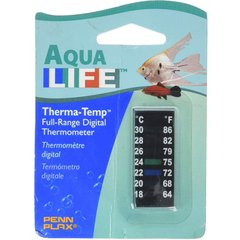
- Keep the water cool. Use a thermometer, such as the Penn-Plax AquaLIFE Therma-Temp Digital Aquarium Thermometer, to maintain 60–68 F, ideally 60–64 F.
Recommended Product
- Dechlorinate tap water. Use a conditioner like API Tap Water Conditioner during water changes, following the product instructions.
Recommended Product

- Keep the tank safe and clean. Provide hiding places, avoid small gravel and sharp decorations, and promptly remove uneaten food.
- Monitor their health. Watch for changes in appetite, skin, gills, and behavior, and schedule annual checkups with an amphibian veterinarian.
Attributions
This article was created with assistance from AI tools. The content has been reviewed for accuracy and edited by a human.