Tiger Salamander Care Sheet


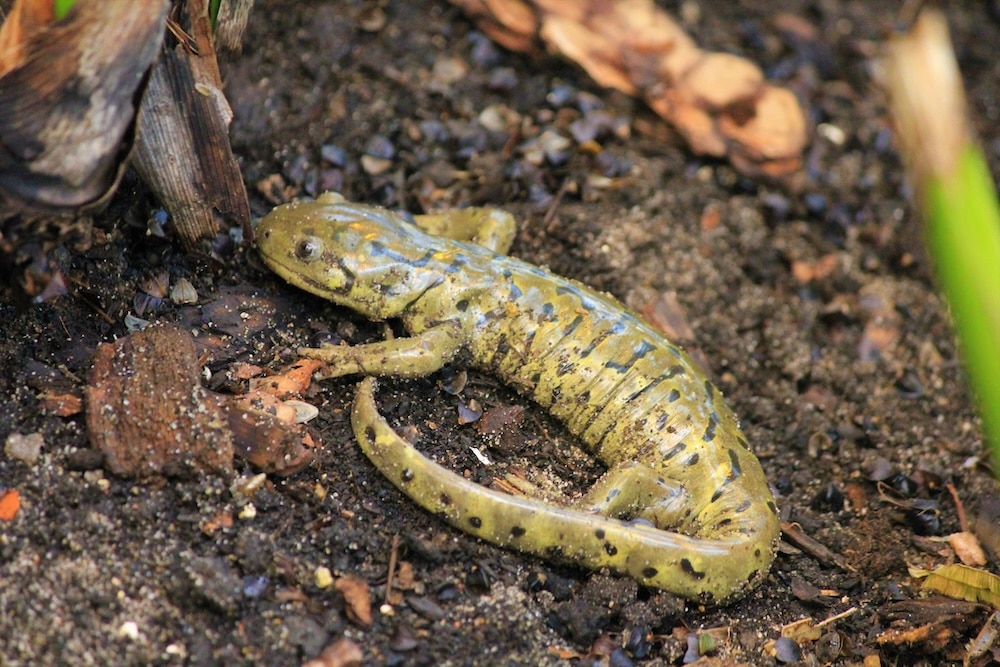
Photo by Shawn Fair/iStock/Getty Images Plus
Tiger salamanders are amphibians who make great pets. If you’re thinking about keeping a tiger salamander as a pet or you’ve recently gotten one, learn what you need to give them a long, healthy life.
Tiger Salamander Overview
The tiger salamander is the largest terrestrial salamander.
Tiger salamanders aren’t a single salamander species; there’s a group of closely related subspecies, including:
- Eastern tiger salamander
- Gray tiger salamander
- Barred (western) tiger salamander
- Blotched tiger salamander
- Arizona tiger salamander
- Sonoran tiger salamander
- Australian tiger salamander
- California tiger salamander
Fun Facts About Tiger Salamanders
- These amphibians get their name from the tiger-like stripes down their backs.
- Tiger salamanders are amphibians, not reptiles.
- That noise you hear from salamanders—a soft chirp or a quiet rustling—is how they keep predators away, attract mates, and establish territories.
Tiger Salamander Habitat
A single tiger salamander needs a terrestrial terrarium that’s at least 20 gallons. Two tiger salamanders need at least a 30-gallon tank. Whenever possible, get the largest enclosure available.
Recommended Products

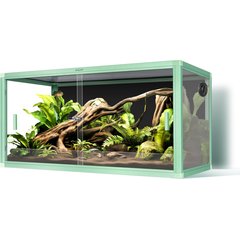
You can keep multiple salamanders together in one habitat, but watch them closely to make sure they aren’t territorial or aggressive.
Line the bottom of the tank with 3–4 inches of substrate, like sphagnum moss, coconut husk fiber, or cypress mulch.
Recommended Products


Depth is important because tiger salamanders use the substrate for burrowing. Use a moisture gradient to keep one side of the habitat moist (not soggy) and the other side drier.
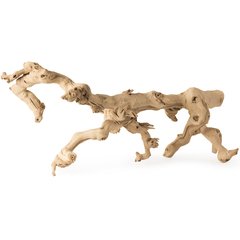
Also, give your pet plenty of hideouts and decor made of various materials, such as cork, moss, driftwood, and plants.
Recommended Products

Salamanders need proper lighting and temperature to thrive as pets.
Recommended Products


Install a low-wattage incandescent bulb in your tiger salamander’s habitat to provide 10–12 hours of light each day. The bulb imitates natural light and helps your pet establish a proper day/night cycle. Also, install a UV light so your tiger salamander gets 10–12 hours of ultraviolet exposure daily.
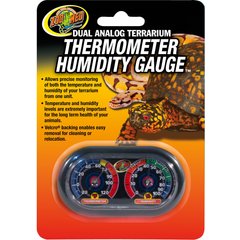
Keep the temperature in the enclosure between 60–75 F, and monitor it with a thermometer. Maintain the humidity at 70%. Use a gauge to monitor it, and use a water mister to spray the substrate daily if needed to maintain proper levels.
Recommended Product
Cleaning and Maintenance
Thoroughly clean your pet’s habitat weekly after placing your tiger salamander in another secure habitat. Always use powder-free latex gloves and minimize handling to avoid harming your salamander.
Throw out the old substrate and remove decor and accessories for cleaning. Scrub the habitat with an amphibian-safe habitat cleaner or 3% bleach solution, then thoroughly rinse until the cleaner’s odor is gone.
Let the enclosure completely dry before putting back substrate, decor, accessories, and your pet.
Tiger Salamander Diet
Feed your tiger salamander a variety of gut-loaded (recently fed) insects and worms, either live or thawed, including:
- Beetles
- Crickets
- Earthworms
- Hornworms
- Phoenix worms
- Roaches
- Silkworms
- Superworms
- Waxworms
- White worms
- Bloodworms
- Tubifex worms
Provide variety rather than feeding your salamander the same foods every day.
All insects should be dusted with vitamins and calcium once weekly. Insects can be gut-loaded (fed a nutritious food supply) a day before offering them to your pet for maximum value.
Recommended Product
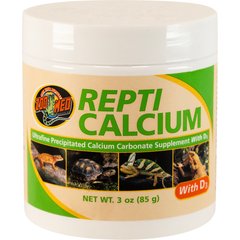
Large salamanders can occasionally eat frozen pinky or fuzzy mice after they’ve been thawed, but only as a treat. Don’t give your tiger salamander live rodents, and avoid mealworms since their hard exoskeletons are difficult to digest.
You can supplement their diet with commercially available dry food that’s formulated for newts and salamanders.
Recommended Product
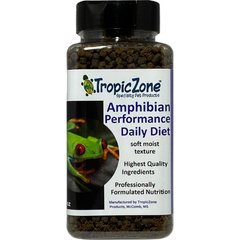
Juveniles should eat every one or two days, while adults can eat two to three times a week. Feed them at night, since they’re nocturnal.
Salamanders absorb water through their skin, so they need water dishes large and shallow enough to safely soak in without drowning. Ensure your salamander can easily walk into and out of their water dish.
Recommended Products

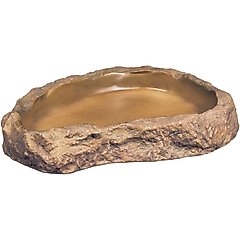
Water should be clean, dechlorinated, and always available for your pet. Don’t use distilled water, which lacks essential minerals. Disinfect food and water dishes daily.
Tiger Salamander Handling
Handle your tiger salamander only if it’s absolutely necessary, and wear powder-free latex gloves. Human skin harbors bacteria and oils that, if absorbed, can harm salamanders, so the right gloves are essential when handling your pet. You can also use a fine-mesh net to move your pet as needed.
Most tiger salamanders shed their skin every few days or couple of weeks. These amphibians tend to eat their shed, so you don’t need to handle them during this process.
Tiger Salamander Health
Take your tiger salamander to the vet once a year for an annual checkup. You can put your pet in a plastic container for transport, as long as it has air holes and a moist surface such as wet paper towels.
Healthy tiger salamanders have clean eyes, nostrils, and vents. They should have a good appetite, bright personality, and typical basking behavior.
Consult a vet experienced with exotic animals if you notice anything unusual. For instance, if your tiger salamander’s eyes are swollen or have discharge, there are lumps or bumps on their body, or they’re lethargic or not basking, these could be signs of a health issue.
If your tiger salamander is refusing food, has a sunken belly, or develops skin lesions, take your pet to the vet right away.
Pet Tiger Salamander Supply Checklist
- Appropriately sized habitat
- Salamander or newt food
- Substrate and sphagnum moss
- Water and food dishes
- Hideaways, climbing decor, and plants
- Low-wattage incandescent bulb
- UVB lighting and fixture
- Multivitamin supplement
- Calcium supplement with vitamin D
- Cricket keeper, food, and quencher
- Live or frozen insects and worms
- Thermometer
- Humidity gauge
- Mister
FAQs About Tiger Salamanders
Can a tiger salamander be kept as a pet?
Tiger salamanders can be kept as pets, and some subspecies like the eastern tiger salamander are more widely available in the pet trade than others. These amphibians are great for folks who prefer a pet that’s mostly observed and minimally handled.
How rare are tiger salamanders?
Some tiger salamanders are rarer than others. For instance, the California tiger salamander is endangered. But, overall, tiger salamander populations are stable and they’re at a low risk of extinction.
How long do tiger salamanders live?
With excellent care, tiger salamanders can live 15–25 years.
How big do tiger salamanders get?
Tiger salamanders grow to around 11 inches long, and sometimes even longer.
Click here for a printable PDF version of this care sheet!
Attributions