Can Guinea Pigs Eat Pineapple?


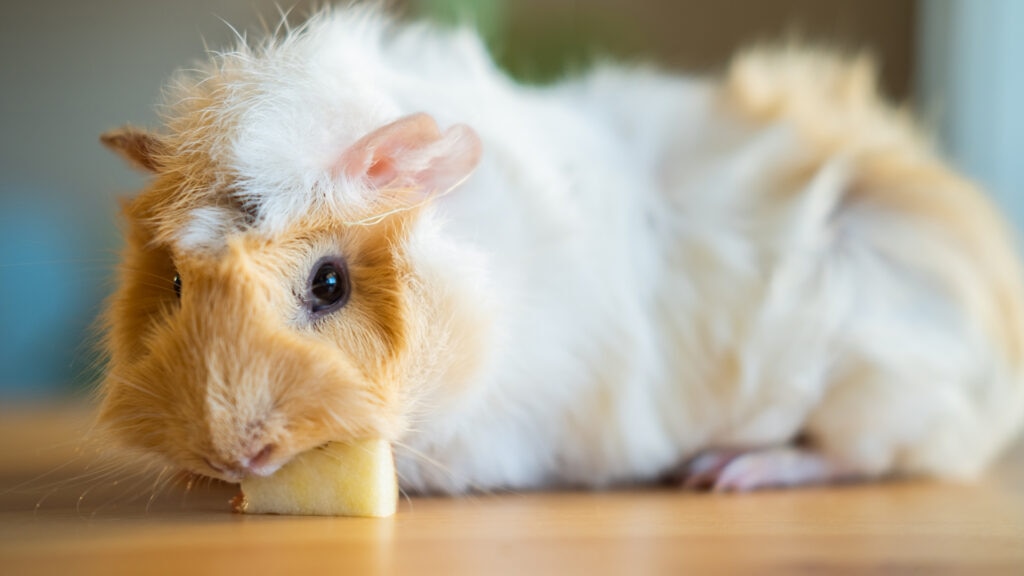
Photo by D-Keine/iStock/Getty Images Plus via Getty Images
Pineapple is a little different from most fruits, thanks to its combination of sweetness and tanginess. But while you might enjoy a few juicy chunks, can guinea pigs eat pineapple?
Yes, guinea pigs can have fresh pineapple, but only as an occasional treat in an otherwise balanced diet. It provides some vitamin C, but its sugar and acidity can be hard on their sensitive digestive systems if they eat too much.
Here’s how to safely share a little pineapple with your piggy, including how much to offer and which parts to avoid.
Always check with your veterinarian before introducing any new food into your guinea pig’s diet.
Key Takeaways
- Pineapple is safe as an occasional treat, but too much sugar and acidity can cause digestive upset or mouth irritation.
- Pineapple provides some vitamin C, but vegetables like bell peppers are better for meeting your piggy's daily needs.
- Give your guinea pig fresh pineapple flesh only. Remove the tough skin, crown, and core, and skip canned pineapple, juice, dried fruit, and sweetened pineapple treats.
- If your guinea pig eats too much pineapple or swallows the skin, crown, or core, contact your veterinarian for guidance.
Can Guinea Pigs Have Pineapple?
Guinea pigs can enjoy a little fresh pineapple flesh now and then. Stick with fresh pineapple rather than canned or dried varieties, though. These can contain concentrated or added sugars.
Pineapple juice, fruit cups in syrup, and desserts are off-limits too. They deliver more sugar than your piggy needs, often without the fiber of fresh fruit.
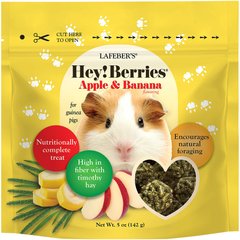
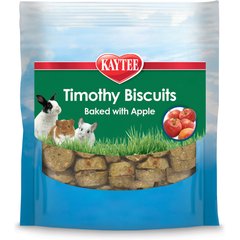
If you’d rather offer something made especially for your piggy, here are a few fruity guinea pig treats you can consider instead:
Recommended Products

Is Pineapple Good for Guinea Pigs?
Pineapple isn’t exactly a nutritional powerhouse for guinea pigs, but it does have a few perks beyond its sweet, tropical flavor.
Here’s what a little pineapple can offer:
- It provides some vitamin C. Guinea pigs can’t make their own vitamin C, so they need to get it from food to prevent scurvy, a potentially dangerous deficiency. Pineapple contains some, although bell peppers and fortified guinea pig pellets are better choices for meeting their daily needs.
- It adds moisture. Pineapple contains a lot of water, so a juicy bite can contribute a little extra hydration alongside their regular drinking water.
- It makes treat time more interesting. Pineapple’s sweet-tart flavor and juicy texture offer something different from the hay and vegetables your piggy usually eats. Exploring new foods can also provide enrichment and encourage natural foraging behaviors.
Is Pineapple Bad for Guinea Pigs?
Pineapple isn’t harmful in tiny amounts, but its sweetness and acidity can cause problems if your piggy overindulges.
Here’s why portions matter:
- Too much sugar can upset digestion. Excess sugar can disrupt the balance of bacteria in your guinea pig’s gut, potentially causing gas, bloating, or diarrhea. Frequent sugary treats can also contribute to weight gain.
- The tough parts aren’t safe to eat. Pineapple skin, the spiky crown, and the fibrous core are difficult to chew and may pose a choking risk.
- It can crowd out more important foods. Filling up on fruit means less room for the fiber-rich hay your guinea pig needs to keep their digestion moving and teeth naturally worn down.
How Much Pineapple Can My Guinea Pig Eat?
For most healthy adult guinea pigs, one small piece of fresh pineapple, about 1/2 inch wide, once every week or two is a good treat-sized portion.
If pineapple is new to your guinea pig, start with an even smaller bite and watch for soft stool, mouth irritation, or changes in appetite before offering it again.
How To Safely Feed Pineapple to Guinea Pigs
A little prep goes a long way when sharing pineapple with your piggy. Here’s how to serve it safely:
- Choose fresh pineapple. Look for ripe fruit without mold, slimy spots, or signs of spoilage.
- Remove the tough parts. Cut away the spiky skin, crown, and fibrous core.
- Cut one very small cube, about 1/2 inch wide.
- Serve it plain.
- Remove uneaten pineapple from their enclosure after a few hours to prevent spoilage.
My Guinea Pig Ate Too Much Pineapple—What Do I Do?
If your piggy got into more pineapple than they should have, take away any leftovers and keep an eye on them.
Too much sugar and acidity can cause digestive upset or mouth irritation, but an extra bite isn’t necessarily an emergency if they’re acting normally.
Watch for signs of trouble, including:
- Soft stool or diarrhea
- Drooling or signs of mouth discomfort
- Gas or a bloated belly
- Eating less or producing fewer droppings
- Unusual tiredness or hiding
- Signs of pain, like hunching
Contact your veterinarian if you notice any of these symptoms. If your guinea pig stops eating or pooping, seek veterinary care immediately. These can be signs of GI stasis, a serious condition in which digestion slows down or stops.
If your piggy ate a pineapple dessert or another prepared food containing potentially harmful ingredients, you can also contact the Pet Poison Helpline (855-764-7661) for advice on what to do next.
What Other Fruits Can Guinea Pigs Eat?
Pineapple isn’t the only fruit your piggy can enjoy as an occasional treat. Other guinea pig-friendly options include:
- Apples
- Bananas
- Blueberries
- Cantaloupe
- Grapes
- Mango
- Peaches
- Pears
- Raspberries
- Strawberries
- Watermelon
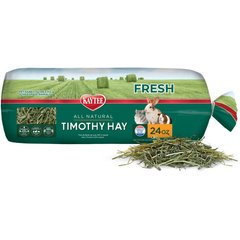
No matter which fruits you choose, offer them sparingly. Unlimited grass hay should make up most of your guinea pig’s diet, alongside fresh vegetables and measured guinea pig pellets.
Recommended Products

FAQs About Pineapple for Guinea Pigs
Can baby guinea pigs eat pineapple?
It’s best to skip pineapple while your guinea pig is still a baby. It’s too sugary, and there are more nutritious foods to focus on while they’re growing. Check with your veterinarian before introducing fruit to your little piggy.
Can guinea pigs eat pineapple skin?
No, guinea pigs shouldn’t eat pineapple skin. Pineapple skin is tough and fibrous and can be hard to chew or swallow safely.
Can guinea pigs eat canned pineapple?
Fresh pineapple is best. Canned varieties are often packed in juice or syrup, adding unnecessary sugar to an already sweet fruit.
Can guinea pigs drink pineapple juice?
No, stick with fresh water. Pineapple juice is high in sugar and acidity, without the fiber or chewing benefits of fresh fruit.
Attributions
This article was created with assistance from AI tools. The content has been reviewed for accuracy and edited by a human.