Rabbit Peeing Blood: What It Means and When To Call a Vet


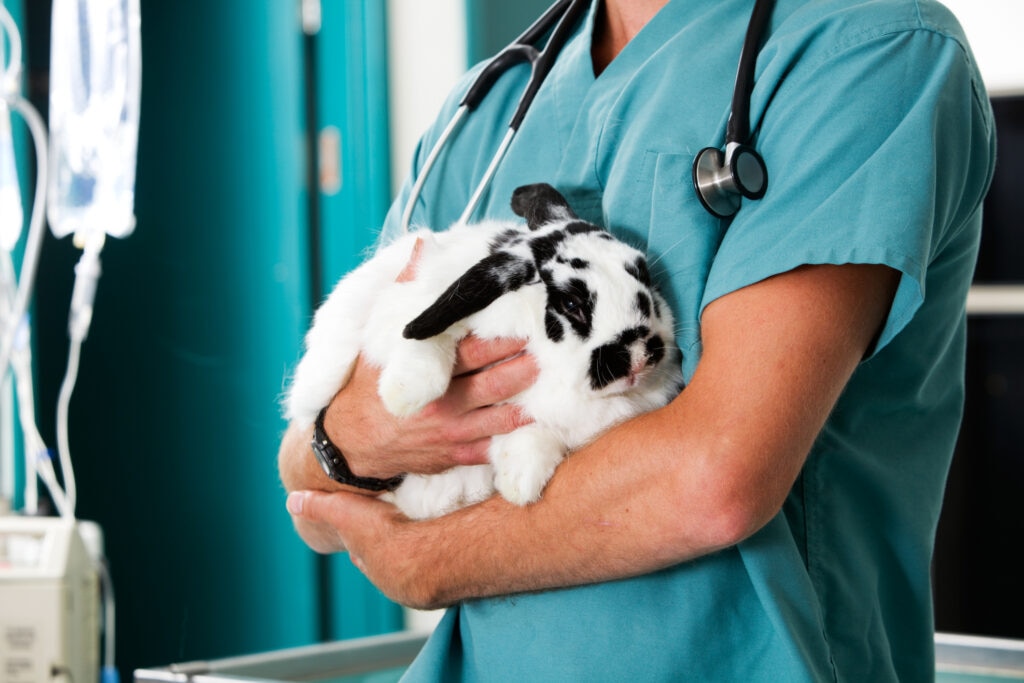
Photo by leaf/iStock/Getty Images Plus
Seeing red in your rabbit’s urine can be alarming, but it does not always mean that blood is present. Red urine is relatively common in rabbits and can be caused by normal pigment changes.
If blood is truly present in your rabbit’s urine, however, it’s an emergency, and your rabbit should be evaluated by a veterinarian immediately.
Key Takeaways
- Red urine in rabbits does not always indicate the presence of blood.
- Diet, stress, dehydration, and certain medications can cause normal changes in urine color.
- True blood in a rabbit’s urine is considered an emergency and requires prompt veterinary attention.
- Urinary tract infections, bladder sludge, bladder stones, and reproductive disease are common causes of blood in rabbit urine.
Is Red Urine in Rabbits Always Blood?
No, red urine does not always mean blood is present in your rabbit’s urine.
Rabbit urine is normally cloudy and can be yellow, orange, amber, or even reddish-brown in color.
The color of urine can change because of pigments in your rabbit’s diet, such as becoming more orange after eating carrots.
Stress, dehydration, and even some medications can also cause changes in urine color.
Being able to distinguish between normal color changes and blood in the urine is critical.
Normal pigment changes are usually evenly dispersed throughout the urine. True blood in the urine typically appears as darker spots or streaks. You can use a white paper towel to better visualize the color and distribution of your rabbit’s urine. When in doubt, consult with your veterinarian.
What Causes a Rabbit To Pee Blood?
Urinary Tract Infection (UTI)
Bacteria and inflammation can lead to urinary tract infections in rabbits and may sometimes occur secondary to another illness. Signs of a UTI include frequent or and painful urination.
Rabbits may also have a reduced appetite when they have a UTI or other illness.
Bladder Sludge
Most animals, including humans, excrete excess calcium through both urine and feces.
Rabbits, however, eliminate excess calcium primarily through the urine. Because of the high amount of calcium in rabbit urine, small sand-like particles may sometimes accumulate in the bladder.
Urine may become thick, pasty, or chalky and can occasionally be mistaken for diarrhea.
Rabbits who don’t get enough exercise or have limited space to move around are more prone to developing bladder sludge, as are dehydrated rabbits.
Bladder Stones
Just as rabbits can develop bladder sludge, they can also develop larger bladder stones. Bladder stones are painful and may lead to urinary blockages.
Straining to urinate and producing only small amounts of urine can be signs of bladder stones.
Urinary blockages are always an emergency and can be life-threatening.
If your rabbit is straining to urinate but is unable to produce any urine, seek veterinary care immediately.
Reproductive Disease
Reproductive diseases are most often found in female rabbits who have not been spayed. Additionally, unspayed female rabbits may have vaginal bleeding that can be mistaken for blood in the urine.
Female rabbits can also develop infections, polyps, and cancer in the uterus.
Trauma or Injury
Trauma can cause internal injuries and always requires immediate veterinary evaluation.
Blood in the urine can be a sign of internal bleeding after injuries such as falls or other accidents.
Improper handling, free roaming in areas that are not rabbit-proofed, and injuries caused by other pets are among the most common causes of trauma.
Some traumas can result in permanent injuries that may increase a rabbit’s risk of developing urinary problems later in life.
Signs Your Rabbit Needs Veterinary Care
Contact a veterinarian immediately if your rabbit has red urine along with pain, weakness, loss of appetite, decreased thirst, lethargy, or difficulty urinating.
Other signs may include:
- Crying
- Teeth grinding
- Thick, sludgy urine
- Loss or decreased appetite or thirst
- Hunched posture or reluctance to move
- Urinating very little or not at all
Rabbits who stop eating for 12-24 hours or who can’t urinate require emergency veterinary care immediately.
How Veterinarians Diagnose Blood in Rabbit Urine
The first step in diagnosing blood in your rabbit’s urine is a physical exam. This helps determine which diagnostic tests may be most useful.
A urinalysis is commonly performed to confirm the presence of blood and to look for signs of infection, such as bacteria, or urinary crystals.
Blood work is another common diagnostic tool and provides information about organ function, including kidney health. Blood testing may also help identify problems related to abnormal calcium levels.
X-rays or ultrasound imaging may also be used to evaluate the urinary tract and identify bladder stones, masses, or other abnormalities.
Treatment for Rabbits Peeing Blood
Treatment depends on the underlying cause and the severity of your rabbit’s symptoms.
Infections may require antibiotics, such as enrofloxacin or TMS, while bladder stones may require surgical removal. Some conditions may require long-term management, such as changing your rabbit’s diet.
Fluid therapy and pain medications, such as opioids or Metacam, are commonly used to help relieve symptoms while your rabbit heals.
How To Help Prevent Urinary Problems in Rabbits
Pet parents can take several steps to reduce their rabbit’s risk of urinary problems.
A proper diet is one of the biggest ways to help your rabbit!
Unlimited access to hay and fresh water is essential for rabbit health.
Recommended Products


Because alfalfa hay tends to be high in calcium, grass hays such as Timothy hay are usually preferred for adult rabbits.
Recommended Product

A healthy diet combined with regular exercise can also help prevent obesity and the health issues that may develop from being overweight.
It’s equally important to provide a safe, clean environment with plenty of space for your rabbit to move around.
Routine veterinary visits are another important part of prevention for your rabbit. Annual checkups can help identify health issues early and detect subtle changes before they become more serious.
Female rabbits should be evaluated for spaying at the appropriate age to help prevent future uterine and reproductive diseases. This is typically done around 4 to 6 months of age.
Healthy urinary habits in rabbits include:
- Drinking plenty of fresh water
- Having consistent urine output
- Staying active
- Eating a hay-based diet
FAQs About Rabbits Peeing Blood
Why is my rabbit peeing red but acting normal?
Red urine does not necessarily mean something is wrong with your rabbit. Pigments in the urine can change because of certain foods. If your rabbit is otherwise acting normally, monitor them closely and contact your veterinarian if additional symptoms develop.
Can dehydration cause red urine in rabbits?
Yes. Dehydration can make urine more concentrated, causing pigments to appear darker. Urine may appear dark orange or even reddish in color.
Is blood in rabbit urine an emergency?
True blood in a rabbit’s urine is considered an emergency. Rabbits who are straining to urinate, producing little or no urine, or refusing to eat need immediate veterinary care.
What does bladder sludge look like in rabbits?
Rabbit bladder sludge is typically thick and paste-like. It may also appear cloudy or chalky because of excess calcium present in the urine.
Attributions
References:
- Kahn CM, Line S. The Merck Veterinary Manual. 11th ed. Merck; 2010.
- Carpenter J. Reproductive and urinary diseases of pet rabbits (Proceedings). DVM360.com.