Rabbit Vaccinations: Everything Pet Parents Should Know

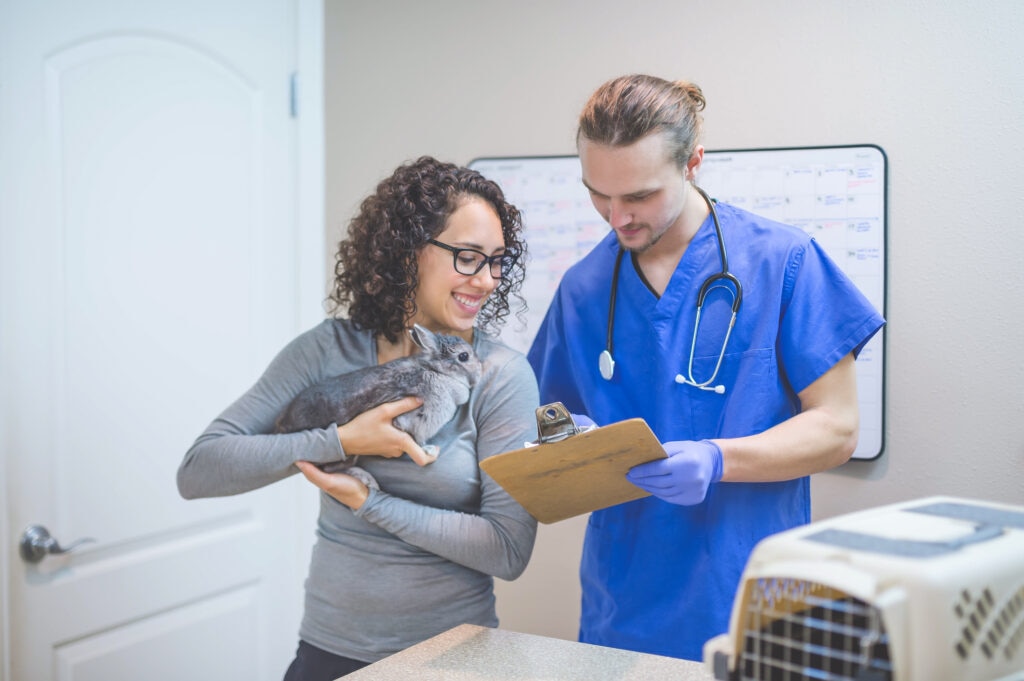
Photo by FatCamera/E+
Rabbit vaccinations can play an important role in preventive healthcare, especially in areas where serious infectious diseases are present.
Some rabbit diseases spread quickly and can be fatal, which is why veterinarians may recommend vaccination even for indoor rabbits, depending on where you live and your rabbit’s risk of exposure.
Unlike dogs and cats, rabbits don’t have a standard vaccination schedule. Vaccine recommendations vary based on country, state, local disease activity, and vaccine availability.
A rabbit-savvy or exotic-animal veterinarian can help determine whether vaccinating your rabbit is appropriate.
Key Takeaways
- Rabbit vaccination recommendations vary by country and geographic region.
- Vaccines may help protect rabbits from serious viral diseases such as rabbit hemorrhagic disease virus (RHDV).
- Indoor rabbits may still be at risk for infectious diseases spread by insects, contaminated materials, or other animals.
- A rabbit-savvy veterinarian can help determine which vaccines are appropriate for your rabbit.
Do Rabbits Need Vaccinations?
Some rabbits benefit from vaccination, particularly in areas where contagious viral diseases such as rabbit hemorrhagic disease virus type 2 (RHDV2) are present. In the United States, the primary vaccine available for pet rabbits protects against RHDV2.
Even rabbits who live entirely indoors may still be at risk. RHDV2 can spread through direct contact with infected rabbits, contaminated materials (such as bedding, food, water bowls, shoes, and clothing), or insects.
Rabbits may be exposed to infectious diseases through:
- Insects such as flies and mosquitoes
- Contaminated food, hay, bedding, or water bowls
- Shoes, clothing, or hands that have contacted contaminated materials
- Contact with other rabbits
- Outdoor exposure in areas where wild rabbits are present
Because disease risk varies by location, regular veterinary care is important when deciding whether vaccination is recommended.
What Diseases Can Rabbit Vaccines Help Prevent?
Rabbit Hemorrhagic Disease Virus (RHDV)
Rabbit hemorrhagic disease virus (RHDV) is a highly contagious and often fatal viral disease that affects both domestic and wild rabbits. RHDV2 can infect domestic rabbits, cottontails, hares, and pikas.
The virus spreads through direct contact with infected rabbits or exposure to contaminated urine, feces, respiratory secretions, fur, food, water, bedding, toys, cages, or clothing. Insects that have contacted infected rabbits may also contribute to transmission.
The virus is transmitted primarily through the mouth, but exposure through the nose or eyes may also occur.
Clinical signs typically develop within three to nine days of exposure.
Signs of RHDV may include:
- Neurologic signs such as loss of balance, stumbling, or seizures
- Yellowing of the eyes or gums (jaundice)
- Sudden lethargy
- Fever
- Decreased or complete loss of appetite
- Difficulty breathing
- Bleeding from the eyes, nose, mouth, or rectum
- Sudden death
There’s currently no specific treatment for RHDV beyond supportive care, making prevention through vaccination especially important.
Are Indoor Rabbits at Risk for RHDV?
Yes. Indoor rabbits can still be exposed to RHDV through contaminated materials and environmental transmission.
Potential exposure sources include:
- Mosquitoes and flies
- Contaminated hay, bedding, food, or supplies
- Shoes and clothing exposed to infected rabbits or contaminated environments
- Local or regional RHDV disease outbreaks affecting wild rabbit populations
When Should Rabbits Get Vaccinated?
The currently available RHDV2 vaccine in the US may be administered to rabbits 28 days of age and older.
The initial series consists of two doses given 21 days apart. After the initial series, boosters are typically administered annually, although recommendations may vary based on local disease activity and your rabbit’s individual risk factors.
Although RHDV2 risk is generally highest in parts of the western and southwestern United States, outbreaks can occur elsewhere. Your veterinarian can help determine whether vaccination is recommended based on where you live and your rabbit’s lifestyle.
| Vaccine Consideration | Details |
|---|---|
| Initial vaccine timing | May be given to rabbits 28 days of age and older as a two-dose series administered 21 days apart |
| Booster frequency | Typically annually after the initial series, depending on local disease risk |
| Indoor vs. outdoor rabbits | Both may benefit from protection, especially in higher-risk regions |
| Veterinary exam | A rabbit-savvy veterinarian can help determine whether vaccination is recommended for your rabbit |
Are Rabbit Vaccines Safe?
Rabbit vaccines are generally considered safe when administered by a veterinarian, although mild side effects can occur.
Potential side effects may include:
- Mild swelling at the injection site
- Temporary soreness
- Mild fever
- Reduced appetite
- Mild lethargy
These signs typically resolve within 24–48 hours.
Contact your veterinarian promptly if your rabbit develops severe swelling, difficulty breathing, prolonged lethargy, or other concerning symptoms following vaccination.
How Veterinarians Help Protect Rabbit Health
Vaccines are only one part of preventive rabbit healthcare. Routine veterinary visits help identify health problems early, often before a rabbit begins showing obvious signs of illness.
Topics commonly discussed during preventive rabbit visits include:
- Nutrition
- Dental health
- Behavior
- Parasite prevention
- Vaccination recommendations
Routine rabbit veterinary care may include:
- Physical examinations
- Weight monitoring
- Dental checks and trims
- Parasite screening and preventive discussions
- Nutrition recommendations
- Vaccine discussions
- Diagnostic screening, including blood work when appropriate
Dental disease, digestive disorders, obesity, arthritis, and respiratory disease are all common health concerns in rabbits. Regular veterinary exams can help identify these problems early.
How To Reduce Disease Risk in Rabbits
Vaccination is an important tool for protecting rabbits, and it works best when combined with good biosecurity practices.
Biosecurity refers to measures that help prevent infectious diseases from reaching your rabbit. Infectious diseases can spread through direct contact with infected animals or through contaminated food, water, bedding, cages, clothing, insects, or equipment.
Ways to help protect your rabbit include:
- Washing your hands with soap and water before and after handling your rabbit
- Keeping outdoor shoes away from rabbit living areas
- Storing hay, bedding, and food in clean containers protected from insects and wild rabbits
Recommended Product

- Avoiding hay that has been stored outdoors where wild rabbits may have had access
- Keeping pet rabbits away from wild rabbits and areas they frequent
- Using window screens to help keep insects out of the home
- Cleaning food and water bowls daily
Recommended Products


- Quarantining new rabbits for at least 30 days and having them examined by a veterinarian before introducing them to your resident rabbits
- Not allowing visitors to handle your rabbit if they have recently handled other rabbits
- Avoiding contact with dead wild rabbits
- Scheduling routine veterinary checkups
If cages, carriers, or other equipment may have been exposed to RHDV, ask your veterinarian about proper cleaning and disinfection procedures. Products such as household bleach and accelerated hydrogen peroxide may be effective when used correctly.
If your rabbit becomes sick or dies unexpectedly, contact your veterinarian right away. RHDV is a reportable disease, and testing may be recommended to help protect other rabbits and local wildlife populations.
FAQs About Rabbit Vaccinations
Do indoor rabbits need vaccines?
Some indoor rabbits may still benefit from vaccination, especially in regions where RHDV has been reported.
What is the rabbit vaccine for?
Rabbit vaccines are primarily used to help protect against rabbit hemorrhagic disease virus (RHDV).
How often do rabbits need vaccines?
Booster schedules vary depending on the vaccine used, whether RHDV has been reported in your area, and your veterinarian’s recommendations.
Can rabbits get sick after vaccines?
Some rabbits may experience mild tiredness, soreness, or reduced appetite for a short period after vaccination.
Is RHDV dangerous for rabbits?
Yes. RHDV is highly contagious and often fatal in rabbits.
Attributions
References
US Department of Agriculture, Animal and Plant Health Inspection Service. Rabbit Hemorrhagic Disease. https://www.aphis.usda.gov/livestock-poultry-disease/rabbit-hemorrhagic
Bosco-Lauth AM, Schueler A, Midthun E, et al. 2024. Vaccination against Rabbit Hemorrhagic Disease Virus 2 (RHDV2) Using a Baculovirus Recombinant Vaccine Provides Durable Immunity in Rabbits. Viruses. 16(4):538.
Pollock CG, Murray J. 1/23/2023. LafeberVet,