American Quarter Horse
Updated October 28, 2026
American Quarter Horse
Updated October 28, 2026
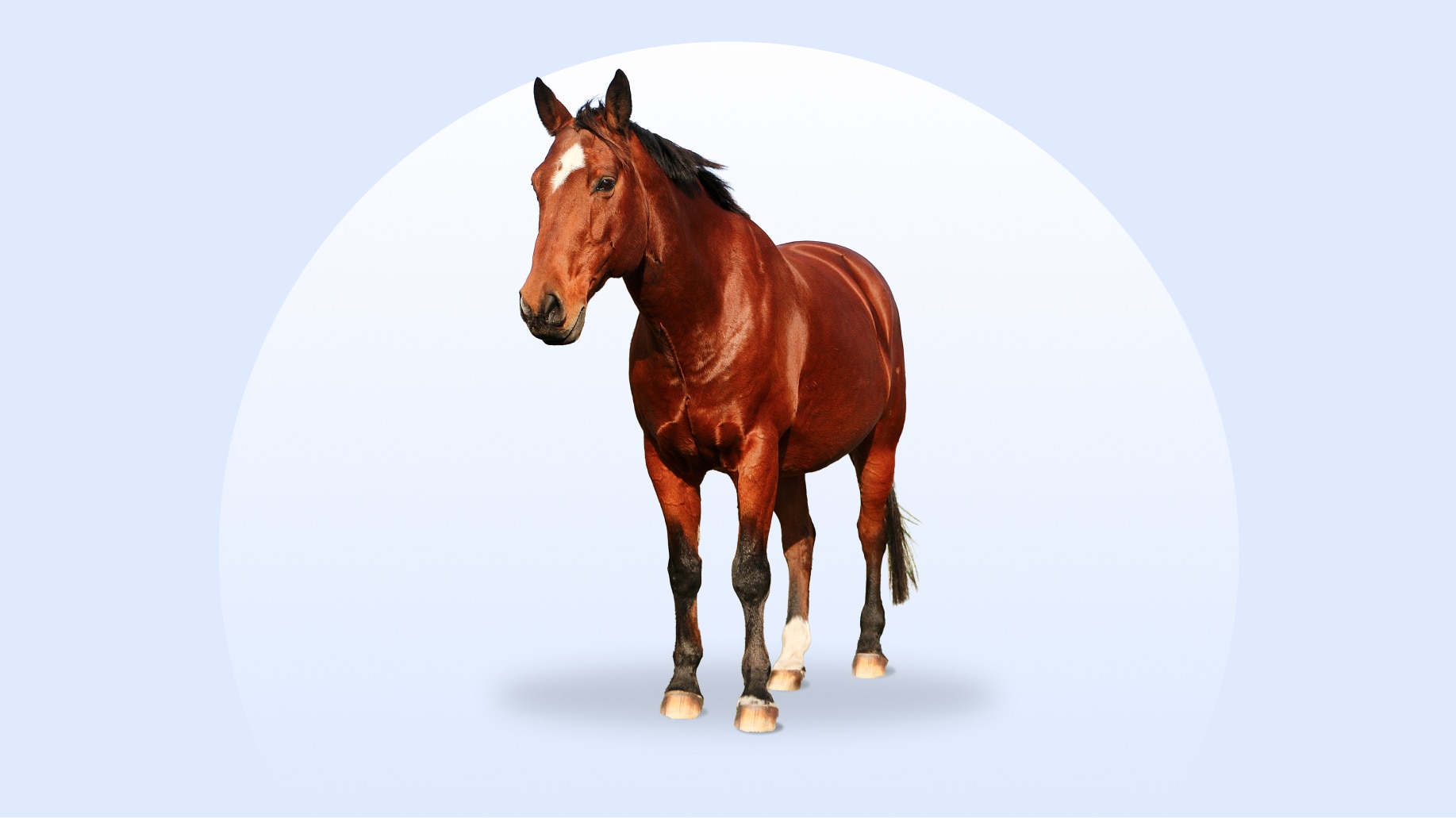
American Quarter Horses are versatile athletes who can participate in both Western and English disciplines. The Quarter Horse is the most popular horse breed in the world, and holds the largest breed registry.
Intelligent, Gentle, Muscular
950–1,200 pounds
14.3–16 hands (59–64 inches)
25+ years
Chestnut, sorrel, black, brown, gray, bay, palomino, buckskin, and other recognized colors
The American Quarter Horse is a muscular breed known for speed over short distances, a generally calm temperament, and success in everything from ranch work to racing. The breed takes its name from its ability to sprint a quarter mile the fastest of any horse breed—even faster than a Thoroughbred.
American Quarter Horse Appearance
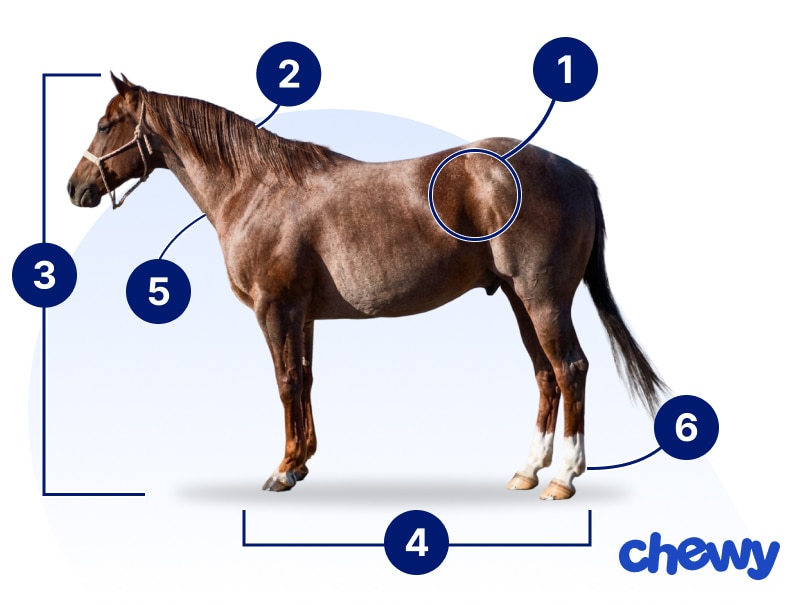
The American Quarter Horse is a strong, athletic horse. Typical breed traits include a short head, sloping shoulders, powerful muscling, and a strong, short-coupled body.
- Colors and Patterns
Quarter Horses come in many colors, including chestnut, sorrel, black, brown, gray, bay, palomino, and buckskin.
- Height
Adults typically stand 14.3–16 hands (59–64 inches).
- Conformation
The breed standard emphasizes balance, structural correctness, and appropriate muscling. The horse should appear proportional when divided into equal thirds (front, middle, and hindquarters), with the withers and croup sitting at roughly the same height.
- Movement
Quarter Horses have a natural four-beat walk, two-beat trot, and three-beat lope. In ranch classes, competitions for Quarter Horses call for rhythmic, ground-covering movement designed to resemble a working ranch horse traveling long distances.
- Head and Neck
A short head is characteristic of the breed, while a medium-length neck joins powerful forequarters. The neck ties in relatively high and level from a deep chest to prevent front-end heaviness.
Their ears are generally small, and the face features a wide, strong jawline.
- Legs and Hooves
The most defining breed feature is a wide, deep, and heavily muscled hip and gaskin with a sloping croup that allows the hind legs to drive deep under the body for working and stopping power.
Given their body size, American Quarter Horses tend to have small, compact feet.
American Quarter Horse Temperament
Individual personalities vary, but American Quarter Horses are generally described as calm, intelligent, gentle, eager to please, and easy to handle and train. These qualities can make appropriately trained horses suitable for riders at many experience levels, including beginners.
Related Breeds
How to Care for a American Quarter Horse
American Quarter Horses generally have straightforward care needs. They benefit from appropriate nutrition, regular exercise, consistent grooming, daily hoof checks, and routine veterinary and farrier care.
Grooming
Training
Diet
Exercise
Environment
American Quarter Horse Health
The American Quarter Horse is generally considered a strong, healthy breed, but several inherited disorders can occur. Genetic testing is available for important conditions.
- Hyperkalemic periodic paralysis (HYPP): This inherited muscle disorder can cause muscle tremors, weakness, or paralysis.
- PSSM1: Abnormal glycogen storage in muscles can cause muscle pain, weakness, stiffness, sweating, and reluctance to move.
- Glycogen branching enzyme deficiency (GBED): Glycogen branching enzyme deficiency is an inherited fatal disorder that prevents affected foals from properly storing glycogen.
- Hereditary equine regional dermal asthenia (HERDA): This inherited condition affects collagen and can result in fragile skin, wounds, and abnormal healing.
- Malignant hyperthermia: This inherited condition can cause a dangerous rise in body temperature and other serious symptoms after certain triggers, including some anesthetic drugs.
- Myosin-heavy chain myopathy (MYHM): This disease can cause muscle loss or damage, including immune-mediated myositis and non-exertional rhabdomyolysis.
American Quarter Horse History
The Quarter Horse developed in the U.S. from horses used by early colonists. Their ancestry includes Spanish Barb and English-derived horses, among other influences. Early Quarter Horses became famous as compact, powerful sprinters in quarter-mile races. As settlement moved west, the breed became valued for ranch and cattle work.
Notable sires for the bloodline include nineteenth- and early-twentieth-century legends like Steel Dust and Peter McCue, who shaped modern stock-horse traits.
The American Quarter Horse Association was formed in 1940, and created a formal breed registry. A King Ranch stallion named Wimpy earned the first official registration number after winning the grand championship at the 1941 Fort Worth stock show.
Today, the breed is the largest equine registry in the world, excelling in reining, cutting, racing, and general riding. Registered Quarter Horses can compete in AQHA-sanctioned shows and other events.
FAQs
Are American Quarter Horses good for beginners?
What are American Quarter Horses used for?
Why are they called Quarter Horses?
How long do American Quarter Horses live?
How big do American Quarter Horses get?
This article was created with assistance from AI tools. The content has been reviewed for accuracy by Kaela Schraer, DVM, and edited by a human.