Sort
Filter
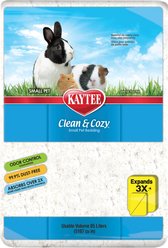

$23.95 Chewy Price
($0.29/l) Price per Unit
$30.99 List Price
$22.75 Autoship Price
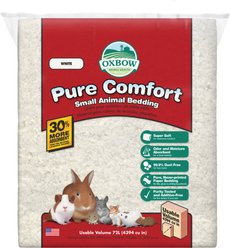
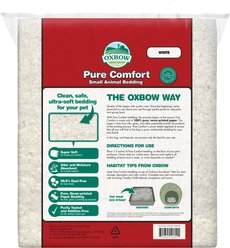
$17.99 Chewy Price
($0.25/l) Price per Unit
$20.99 List Price
$17.09 Autoship Price
$18.99 Chewy Price
($0.32/l) Price per Unit
$23.99 List Price
$18.04 Autoship Price
$31.99 Chewy Price
($16.00/ea) Price per Unit
$35.99 List Price
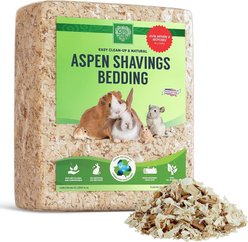
$19.25 Chewy Price
($0.47/l) Price per Unit
$18.29 Autoship Price
$12.99 Chewy Price
($0.25/l) Price per Unit
$12.34 Autoship Price
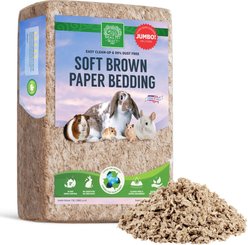
$45.99 Chewy Price
($0.26/l) Price per Unit
$43.69 Autoship Price
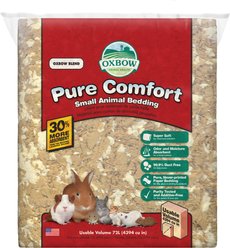
$17.99 Chewy Price
($0.25/l) Price per Unit
$23.49 List Price
$17.09 Autoship Price
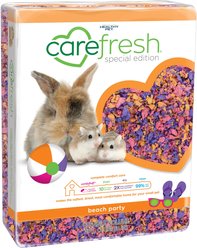
$22.99 Chewy Price
($0.46/l) Price per Unit
$28.99 List Price
$21.84 Autoship Price

$24.95 Chewy Price
($0.39/l) Price per Unit
$29.99 List Price
$23.70 Autoship Price
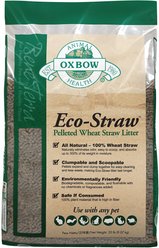
$21.29 Chewy Price
($1.07/lb) Price per Unit
$24.99 List Price
$20.23 Autoship Price
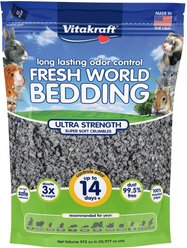
$13.98 Chewy Price
($0.88/l) Price per Unit
$15.98 List Price
$13.28 Autoship Price
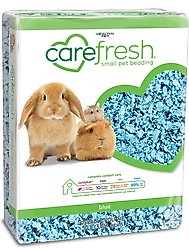
$18.17 Chewy Price
($0.37/l) Price per Unit
$28.99 List Price
$17.26 Autoship Price
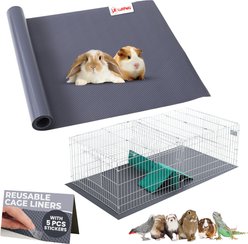
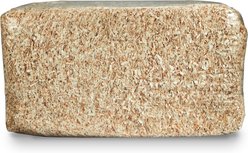
$36.99 Chewy Price
($0.17/l) Price per Unit
$35.14 Autoship Price
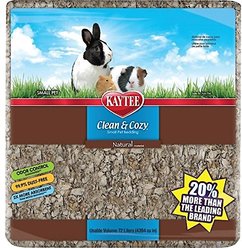
$19.95 Chewy Price
($0.28/l) Price per Unit
$23.99 List Price
$18.95 Autoship Price
$45.99 Chewy Price
($0.26/l) Price per Unit
$43.69 Autoship Price
$22.99 Chewy Price
($0.46/l) Price per Unit
$28.99 List Price
$21.84 Autoship Price
$8.67 Chewy Price
($0.44/l) Price per Unit
$11.31 List Price
$8.24 Autoship Price
$18.98 Chewy Price
($0.95/l) Price per Unit
$18.03 Autoship Price
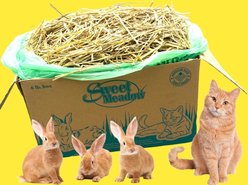
$18.49 Chewy Price
($3.09/lb) Price per Unit
$19.99 List Price
$17.57 Autoship Price
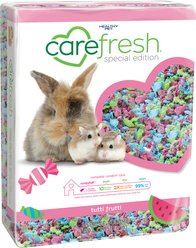
$22.99 Chewy Price
($0.46/l) Price per Unit
$28.99 List Price
$21.84 Autoship Price
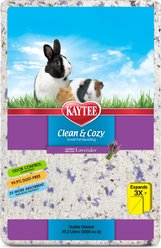
$19.95 Chewy Price
($0.41/l) Price per Unit
$24.99 List Price
$18.95 Autoship Price
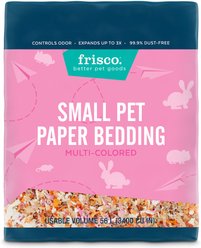
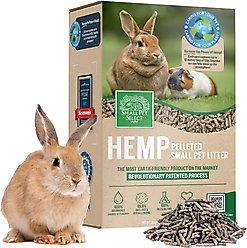
$25.99 Chewy Price
($1.30/lb) Price per Unit
$29.99 List Price
$24.69 Autoship Price
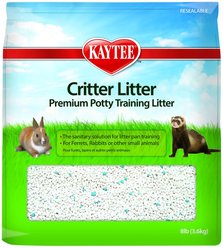
$15.95 Chewy Price
($2.00/lb) Price per Unit
$19.99 List Price
$15.15 Autoship Price
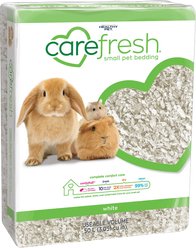
$22.99 Chewy Price
($0.46/l) Price per Unit
$28.99 List Price
$21.84 Autoship Price
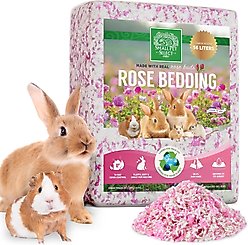
$29.99 Chewy Price
($0.54/l) Price per Unit
$28.49 Autoship Price
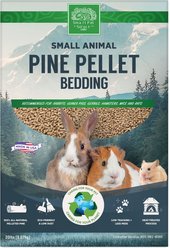
$26.50 Chewy Price
($1.33/lb) Price per Unit
$25.18 Autoship Price
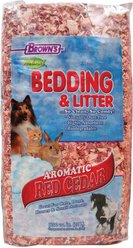
$11.12 Chewy Price
($0.56/l) Price per Unit
$12.66 List Price
$10.56 Autoship Price
$9.91 Chewy Price
$10.99 List Price
$9.41 Autoship Price
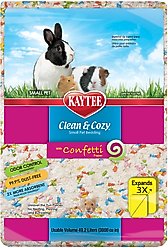
$24.95 Chewy Price
($0.51/l) Price per Unit
$29.99 List Price
$23.70 Autoship Price
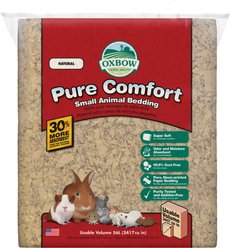
$17.99 Chewy Price
($0.33/l) Price per Unit
$20.99 List Price
$17.09 Autoship Price
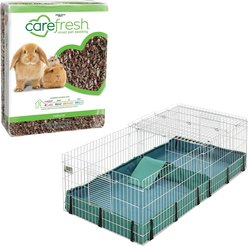
Bundle and Save 16%
$77.26 Chewy Price
$91.98 List Price
Autoship Price
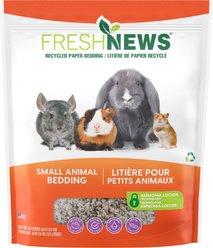
$24.98 Chewy Price
($0.63/l) Price per Unit
$23.73 Autoship Price



Guinea Pig Bedding & Litter
Soft, absorbent, and odor-controlling- guinea pig bedding and litter help keep your pet's habitat clean, dry, and comfy. The right bedding creates a healthy environment by absorbing moisture and minimizing odors, while litter supports easier cleanup and spot maintenance. Whether you use fleece liners, paper-based bedding, or natural wood shavings, these cage essentials are key to your guinea pig's well-being. Before choosing bedding or litter for your guinea pig, consider these important features:
- Material options: available in paper, wood shavings, fleece liners, and natural fiber blends
- Odor control: many litters and beddings are formulated to neutralize odors and keep the habitat fresh
- Dust-free formulas: low-dust or dust-free options support respiratory health and easy cleanup
- Absorbency: choose highly absorbent materials to help manage moisture and maintain a dry cage
- Eco-friendly picks: biodegradable and compostable options make cleanup more environmentally friendly
Keeping your guinea pig's habitat fresh and dry is crucial for their health and comfort. With Chewy.com's Autoship service, you can schedule regular deliveries of bedding and litter so your pet's cage is always clean- without the last-minute store run.
Frequently Asked Questions about Guinea Pig Bedding & Litter
Do guinea pigs need bedding?
Yes, guinea pigs need bedding to stay comfortable, warm, and dry. Bedding also helps absorb urine and control odor, which is essential for maintaining a clean and healthy cage environment.
What types of bedding are out there for guinea pigs?
Common options include paper-based bedding, fleece liners, and kiln-dried wood shavings like aspen. Each offer different benefits, such as odor control, softness, and absorbency.
What kind of litter do you use for guinea pigs?
Guinea pig litter should be absorbent, dust-free, and nontoxic. Paper pellets and recycled newspaper litters are popular choices. Avoid clumping or clay-based litters, which can be harmful if ingested.
What do you put at the bottom of a guinea pig cage?
The bottom of a guinea pig cage should be lined with absorbent bedding or fleece liners. This helps manage waste, control odor, and provide a soft surface for your guinea pig to walk and rest on.
Is pine or aspen bedding better for guinea pigs?
Aspen is typically preferred because it's kiln-dried, low in dust, and safe for small animals. Pine can be used if it's heat-treated to remove aromatic oils, but untreated pine may cause respiratory issues.
How often should I change guinea pig litter?
Spot clean daily and fully replace litter or bedding at least once a week. More frequent changes may be needed for multi-pet households or during warmer months to prevent odor buildup.
Save 5% on repeat deliveries
Litter & Bedding Type
Brand
7 Brands are shown below