Sort
Filter
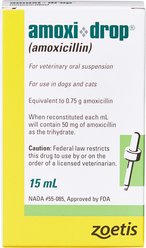
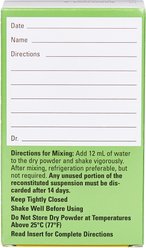

$10.46 Chewy Price
($0.70/mL) Price per Unit
$9.94 Autoship Price
- Prescription Item
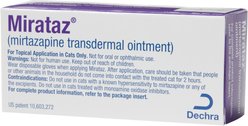
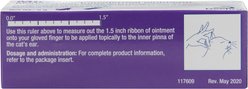
$47.38 Chewy Price
($47.38/ea) Price per Unit
Autoship Price
- Prescription Item
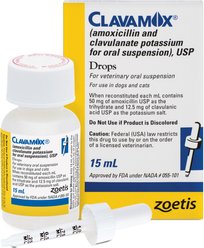
$34.81 Chewy Price
($2.33/mL) Price per Unit
$33.07 Autoship Price
- Prescription Item
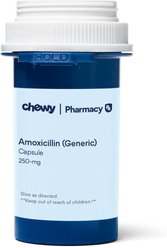
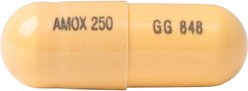
$4.20 Chewy Price
($0.14/ea) Price per Unit
Autoship Price
- Prescription Item
$9.99 Chewy Price
($0.01/mL) Price per Unit
Autoship Price
- Prescription Item
$15.00 Chewy Price
($0.25/ea) Price per Unit
Autoship Price
- Prescription Item
$55.89 Chewy Price
($3.73/mL) Price per Unit
Autoship Price
- Prescription Item
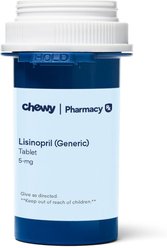
$4.50 Chewy Price
($0.05/ea) Price per Unit
Autoship Price
- Prescription Item
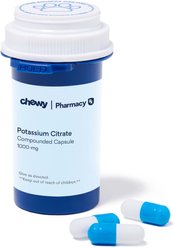
$52.80 Chewy Price
($0.88/ea) Price per Unit
Autoship Price
- Prescription Item
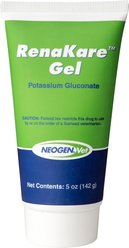
$16.93 Chewy Price
($3.39/oz) Price per Unit
Autoship Price
- Prescription Item
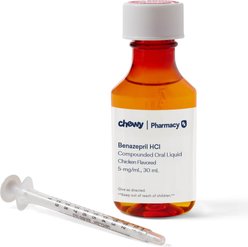
$51.19 Chewy Price
($1.71/mL) Price per Unit
Autoship Price
- Prescription Item
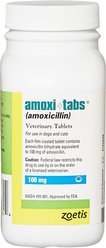
$0.47 Chewy Price
($0.47/ea) Price per Unit
$0.45 Autoship Price
- Prescription Item
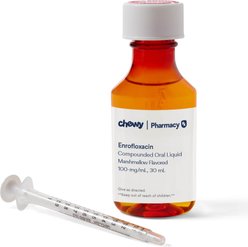
$50.67 Chewy Price
($1.69/mL) Price per Unit
Autoship Price
- Prescription Item
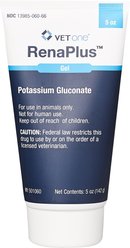
$17.99 Chewy Price
($3.60/oz) Price per Unit
Autoship Price
- Prescription Item
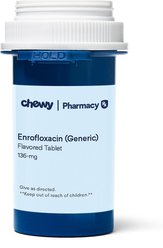
$2.61 Chewy Price
($2.61/ea) Price per Unit
Autoship Price
- Prescription Item
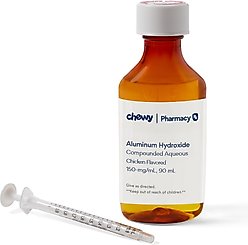
$81.50 Chewy Price
($0.91/mL) Price per Unit
Autoship Price
- Prescription Item
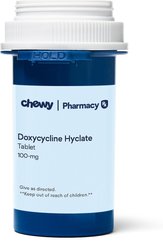
$28.80 Chewy Price
($0.48/ea) Price per Unit
Autoship Price
- Prescription Item
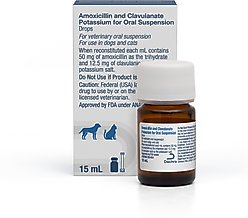
$26.11 Chewy Price
($1.75/mL) Price per Unit
Autoship Price
- Prescription Item
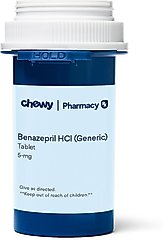
$7.20 Chewy Price
($0.12/ea) Price per Unit
Autoship Price
- Prescription Item

$52.99 Chewy Price
($2.65/mL) Price per Unit
Autoship Price
- Prescription Item
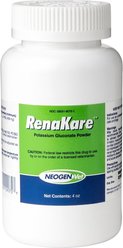
$21.31 Chewy Price
($5.33/oz) Price per Unit
Autoship Price
- Prescription Item
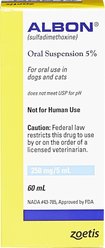
$29.48 Chewy Price
($14.74/oz) Price per Unit
$28.01 Autoship Price
- Prescription Item
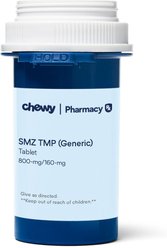
$9.00 Chewy Price
($0.15/ea) Price per Unit
Autoship Price
- Prescription Item
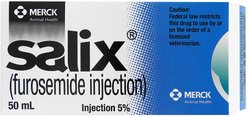
$22.75 Chewy Price
($0.46/mL) Price per Unit
Autoship Price
- Prescription Item
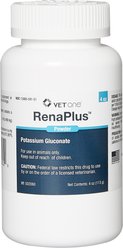
$24.99 Chewy Price
($6.25/oz) Price per Unit
Autoship Price
- Prescription Item
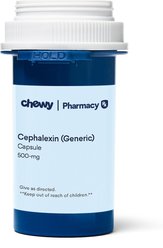
$19.20 Chewy Price
($0.32/ea) Price per Unit
$20.40 List Price
Autoship Price
- Prescription Item
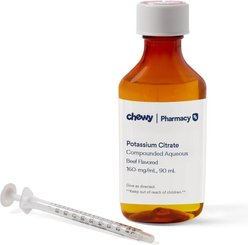
$43.00 Chewy Price
($0.48/mL) Price per Unit
Autoship Price
- Prescription Item
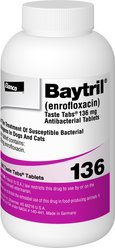
$3.79 Chewy Price
($3.79/ea) Price per Unit
Autoship Price
- Prescription Item
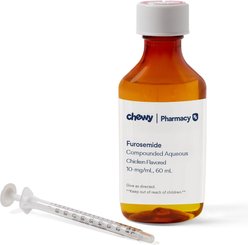
$57.12 Chewy Price
($0.96/mL) Price per Unit
Autoship Price
- Prescription Item
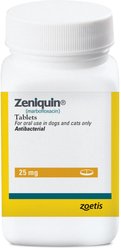
$2.29 Chewy Price
($2.29/ea) Price per Unit
$2.18 Autoship Price
- Prescription Item
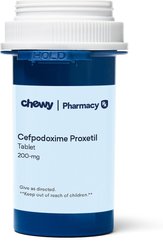
$45.00 Chewy Price
($1.50/ea) Price per Unit
Autoship Price
- Prescription Item
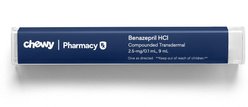
$40.37 Chewy Price
($4.49/mL) Price per Unit
Autoship Price
- Prescription Item
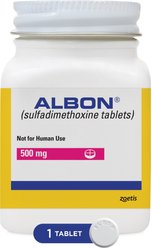
$1.12 Chewy Price
($1.12/ea) Price per Unit
$1.06 Autoship Price
- Prescription Item
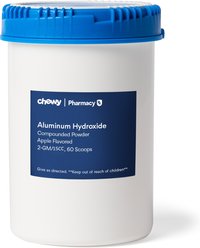
$90.25 Chewy Price
($1.51/ea) Price per Unit
Autoship Price
- Prescription Item
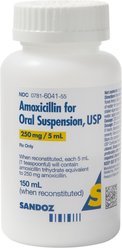
$15.99 Chewy Price
($0.11/mL) Price per Unit
Autoship Price
- Prescription Item
Prescription Cat Medications For Urinary Tract & Kidney Support
Reviewed by Dr. Melissa Witherell, DVM
Urinary tract infections (UTIs) can be painful for cats. They can progress quickly, so they should be treated promptly with an appropriate cat UTI medicine. The most common treatments for feline urinary tract infections are antibiotics, anti-inflammatory medications, and pain medications. Veterinary diagnosis is required to identify the underlying cause of the infection and determine the best course of treatment. Cat UTI medicine comes in several forms, including the following:
- Tablets and capsules: Most common for antibiotics, these medicines are given orally
- Liquid: Cats who dislike taking pills may accept liquid medication by mouth or added to wet cat food
- Transdermal ointment: Applied to the skin inside your cat’s ear, these medications are sometimes prescribed for pain control or appetite loss
Left untreated, urinary tract infections can lead to kidney issues or dangerous urinary blockages. In mild cases, cat UTIs clear up with a single round of medicine but more severe infections, or chronic kidney problems, may require ongoing treatment. If your cat requires long-term treatment, get their UTI medicine on schedule with Chewy’s Autoship.
Frequently Asked Questions about Prescription Cat Medications For Urinary Tract & Kidney Support
How can you tell if a cat has a UTI or a blockage?
A cat with a UTI or blockage may strain to urinate, urinate more frequently than usual, cry while urinating, urinate outside the litter box, or have blood in their urine. Consult your veterinarian if your cat displays any of these symptoms, especially if urine production stops, as this could be a sign of a dangerous urinary blockage.
What medications do vets recommend for a cat UTI?
Vets usually recommend antibiotics to treat cat UTIs. If the specific bacteria causing the infection is unknown, a broad-spectrum antibiotic may be effective. Some cats with UTIs may also benefit from anti-inflammatory medications for pain relief.
How long does it take for cat UTI medicine to work?
Cat UTI medicine may start to work within a day or two, but full recovery could take up to two weeks. If one round of antibiotics doesn’t completely resolve the infection, your vet may recommend a second course.
How long should cats take UTI medicine for?
Cats should take UTI medicine for as long as their veterinarian recommends—usually 7 to 14 days. Even if your cat starts to feel better after a few days on antibiotics, finish the entire course of medication.
Save 5% on repeat deliveries
Health Condition
Drug Type
Product Form
Brand
7 Brands are shown below