Best Aquarium Pumps
Our Top Picks


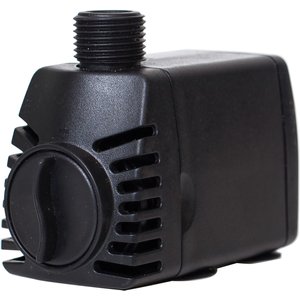


Tetra Water Garden Pond Pump, 1000-gph
$58.99 Chewy Price
Promo, New Customers Only: Spend $49+, get $25 eGift Card
Our ratings
Durability
4.4/5
GreatNoise Level
4.4/5
GreatPumping Power
4.6/5
ExcellentVersatility
4.5/5
Great


Marineland Maxi-Jet Water & Circulation Pump, Size 1200
$19.49 Chewy Price
Promo, New Customers Only: Spend $49+, get $25 eGift Card
Our ratings
Durability
4.2/5
GreatNoise Level
4.4/5
GreatPumping Power
4.4/5
GreatVersatility
4.4/5
Great
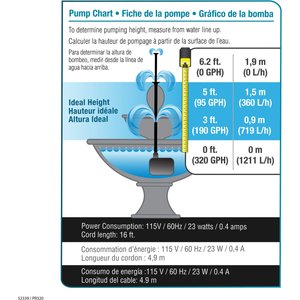
Pond Boss Pond Fountain Pump, 320 GPH
$29.50 Chewy Price
Promo, New Customers Only: Spend $49+, get $25 eGift Card
Our ratings
Durability
4.8/5
ExcellentNoise Level
4.8/5
ExcellentPumping Power
4.7/5
ExcellentVersatility
4.8/5
Excellent


Aqueon Silicone 3-oz Aquarium Sealant, Clear
$9.99 Chewy Price
($3.33/oz)
Promo, New Customers Only: Spend $49+, get $25 eGift Card
Our ratings
Durability
3.9/5
GoodNoise Level
3.8/5
GoodPumping Power
4.6/5
ExcellentVersatility
3.9/5
Good


Tetra Pond Water Garden Pump, 300 GPH
$26.59 Chewy Price
Promo, New Customers Only: Spend $49+, get $25 eGift Card
Our ratings
Durability
4.5/5
GreatNoise Level
4.5/5
GreatPumping Power
4.5/5
GreatVersatility
4.7/5
Excellent


Aquaillumination Nero 3 Aquarium Pump, 5 to 60-gal
$189.99 Chewy Price
Promo, New Customers Only: Spend $49+, get $25 eGift Card
Our ratings
Durability
4.2/5
GreatNoise Level
4.6/5
ExcellentPumping Power
4.7/5
ExcellentVersatility
4.8/5
ExcellentSavio Water Master Solids Pond Pump, 3600 GPH
$358.50 Chewy Price
Promo, New Customers Only: Spend $49+, get $25 eGift Card
Our ratings
Durability
4.5/5
GreatNoise Level
4.4/5
GreatPumping Power
4.7/5
ExcellentVersatility
4.4/5
Great


Aqueon Freshwater & Saltwater Circulation Aquarium Pump, 500 GPH
$33.74 Chewy Price
Promo, Buy 3, get 4th free- mix & match
Our ratings
Durability
3.8/5
GoodNoise Level
4.2/5
GreatPumping Power
4.1/5
GreatVersatility
4.3/5
Great

Jebao Marine Submersible Tank Pump with Wave Controller, 3693 GPH
$104.99 Chewy Price
Promo, New Customers Only: Spend $49+, get $25 eGift Card
Our ratings
Durability
4.7/5
ExcellentNoise Level
4.7/5
ExcellentPumping Power
4.5/5
GreatVersatility
4.7/5
Excellent

Pond Boss 420 GPH Pond Pump
$64.36 Chewy Price
Promo, New Customers Only: Spend $49+, get $25 eGift Card
Our ratings
Durability
4.6/5
ExcellentNoise Level
4.7/5
ExcellentPumping Power
4.5/5
GreatVersatility
4.6/5
Excellent