Best Bird Cages
Our Top Picks


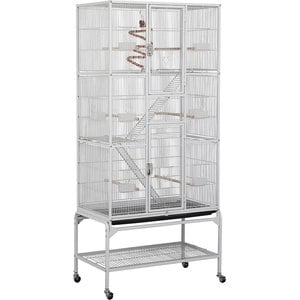
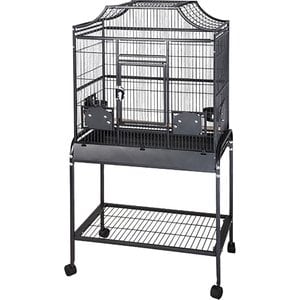


Yaheetech 54-in Rolling Metal Large Parrot Cage Mobile Bird Cage with Detachable Stand, White
$122.99 Chewy Price
Promo, Save 10% with code EARLY10
Our ratings
Cleaning and Maintenance
4.4/5
GreatDesign and Functionality
4.5/5
GreatMaterial
4.5/5
GreatSize
4.5/5
Great

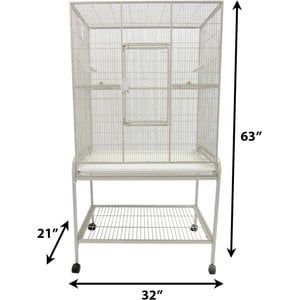
A&E Cage Company Flight Bird Cage & Stand, Platinum
$224.99 Chewy Price
Promo, Save 10% with code EARLY10
Our ratings
Cleaning and Maintenance
4.6/5
ExcellentDesign and Functionality
4.8/5
ExcellentMaterial
4.6/5
ExcellentSize
4.7/5
Excellent


Prevue Pet Products Flight Bird Cage, White
$189.99 Chewy Price
Promo, New Customers Only: Spend $49+, get $25 eGift Card
Our ratings
Cleaning and Maintenance
4.7/5
ExcellentDesign and Functionality
4.7/5
ExcellentMaterial
4.7/5
ExcellentSize
4.7/5
Excellent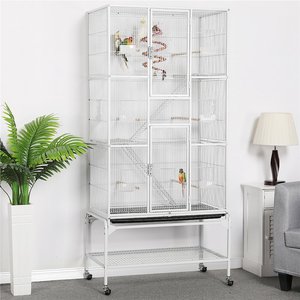
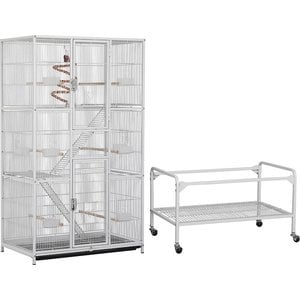
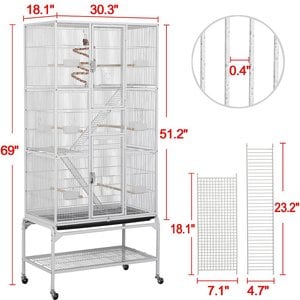
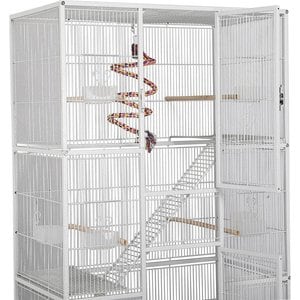
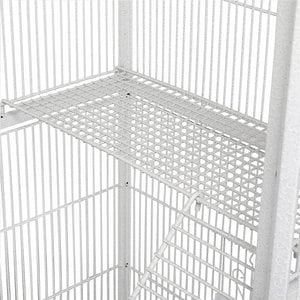
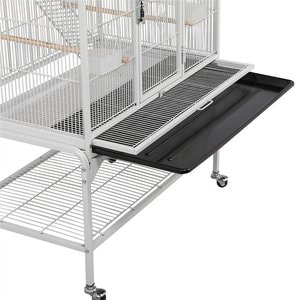
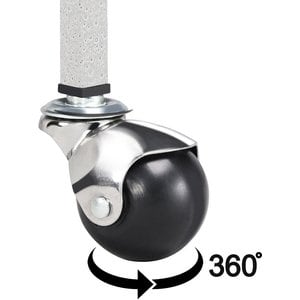
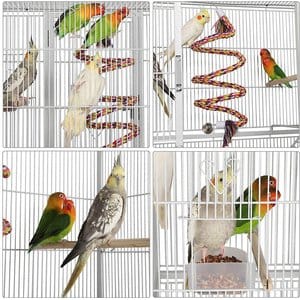
Yaheetech 69-in Parrot Cage with Detachable Stand, White
$189.99 Chewy Price
Promo, Save 15% with code EARLY15
Our ratings
Cleaning and Maintenance
4.7/5
ExcellentDesign and Functionality
4.6/5
ExcellentMaterial
4.6/5
ExcellentSize
4.7/5
Excellent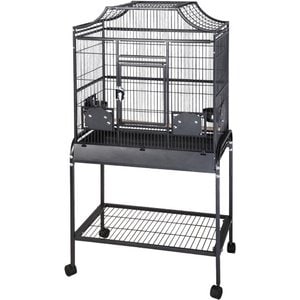
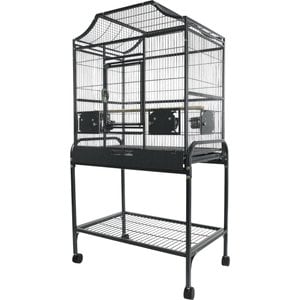
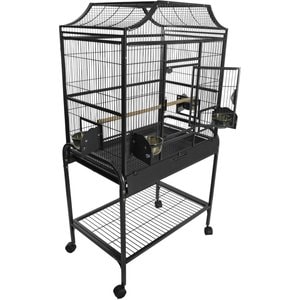
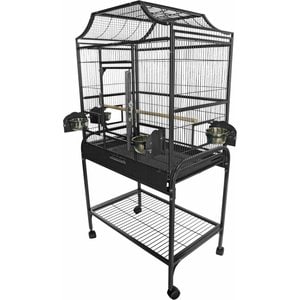
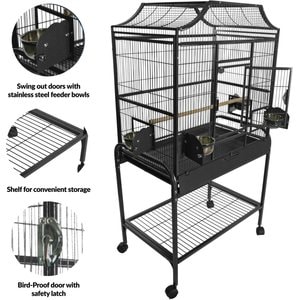
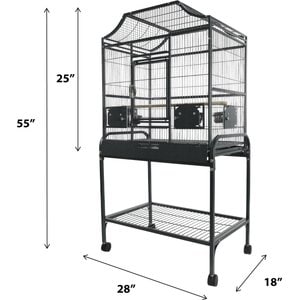
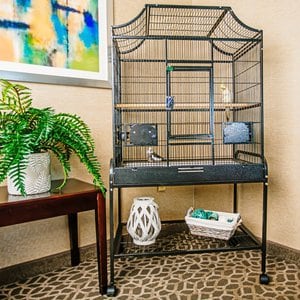
A&E Cage Company Elegant Style Flight Bird Cage, Black, Small
$299.99 Chewy Price
Promo, Save 10% with code EARLY10
Our ratings
Cleaning and Maintenance
4.6/5
ExcellentDesign and Functionality
4.5/5
GreatMaterial
4.5/5
GreatSize
4.5/5
Great


Yaheetech 64-in Open Top Metal Parrot Cage with Detachable Rolling Stand, Black
$61.99 Chewy Price
Promo, Save 10% with code EARLY10
Our ratings
Cleaning and Maintenance
4.4/5
GreatDesign and Functionality
4.6/5
ExcellentMaterial
4.4/5
GreatSize
4.4/5
Great


Yaheetech 52-in Rolling Bird Cage, Hammered Black, Large
$109.99 Chewy Price
Promo, Save 10% with code EARLY10
Our ratings
Cleaning and Maintenance
4.6/5
ExcellentDesign and Functionality
4.5/5
GreatMaterial
4.5/5
GreatSize
4.5/5
Great


Prevue Pet Products Playtop Bird Cage, Stainless Steel, Large
$999.99 Chewy Price
Promo, New Customers Only: Spend $49+, get $25 eGift Card
Our ratings
Cleaning and Maintenance
4.8/5
ExcellentDesign and Functionality
4.9/5
ExcellentMaterial
4.9/5
ExcellentSize
4.8/5
Excellent


Our ratings
Cleaning and Maintenance
4.6/5
ExcellentDesign and Functionality
4.6/5
ExcellentMaterial
4.6/5
ExcellentSize
4.6/5
Excellent

A&E Cage Company Majestic Series Bird Cage, Platinum, Small: 24 x 22 x 61.4-in
$497.85 Chewy Price
Promo, Save 10% with code EARLY10
Our ratings
Cleaning and Maintenance
4.7/5
ExcellentDesign and Functionality
4.8/5
ExcellentMaterial
4.7/5
ExcellentSize
4.7/5
Excellent