Best Dry Cat Food For Hairballs and Vomiting
Our Top Picks
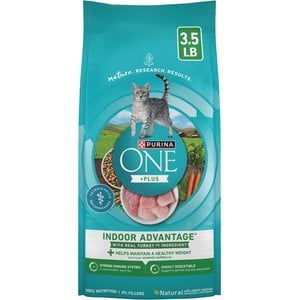

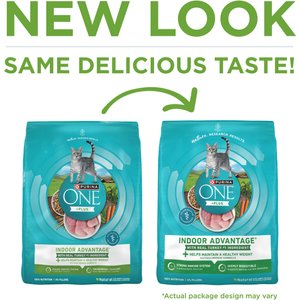
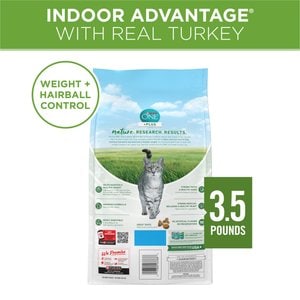
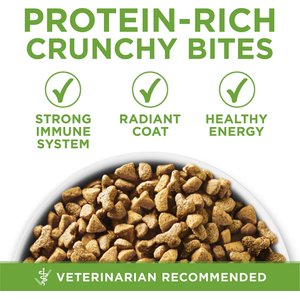
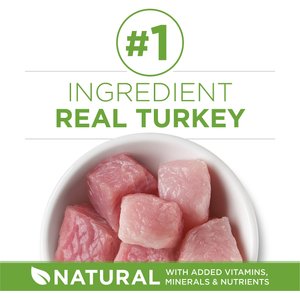

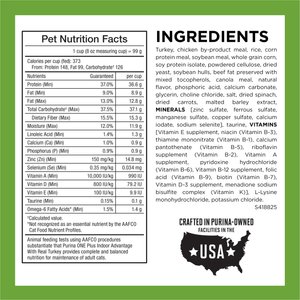
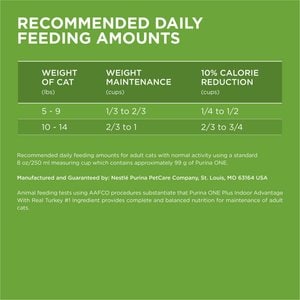
Purina ONE +Plus Indoor Advantage Adult Natural, Low Fat, Weight Control, Indoor Real Turkey Dry Cat Food, 3.5-lb bag
$10.28 Chewy Price
($2.94/lb)
Promo, New Customers Only: Spend $49+, get $25 eGift Card
Our ratings
Digestibility
4.4/5
GreatHairball Control Formula
4.5/5
GreatHigh Protein Content
4.5/5
GreatNatural Ingredients
4.5/5
Great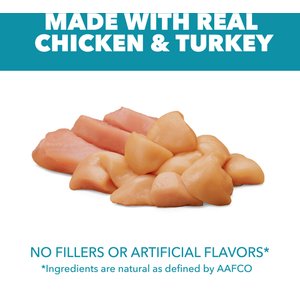
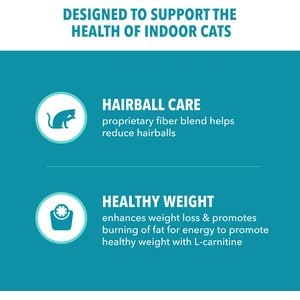
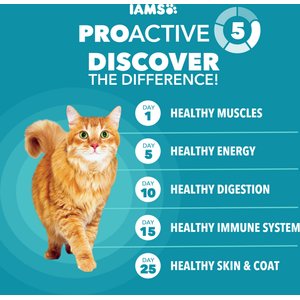
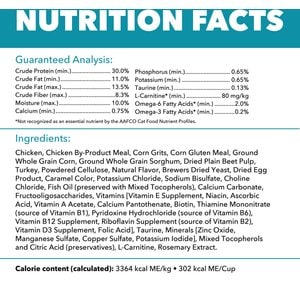
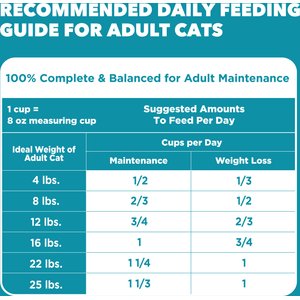
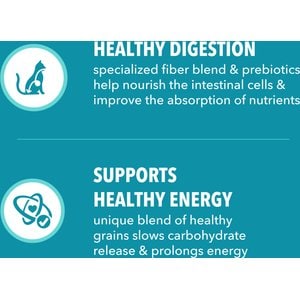
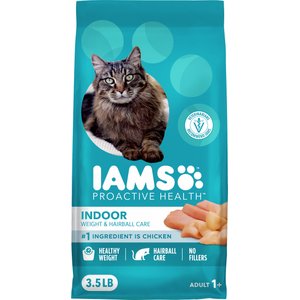
Iams Proactive Health Indoor Weight & Hairball Care Chicken & Turkey Recipe Dry Cat Food, 3.5-lb bag
$9.88 Chewy Price
($2.83/lb)
Promo, New Customers Only: Spend $49+, get $25 eGift Card
Our ratings
Digestibility
4.4/5
GreatHairball Control Formula
4.5/5
GreatHigh Protein Content
4.4/5
GreatNatural Ingredients
4.4/5
Great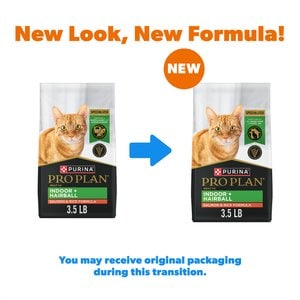
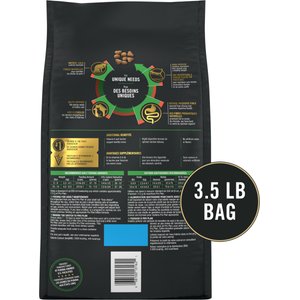
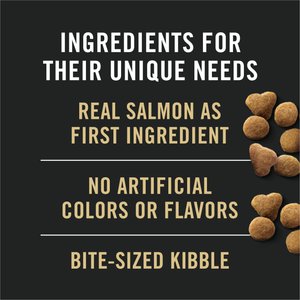
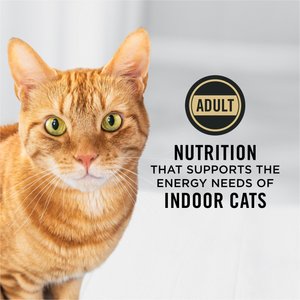
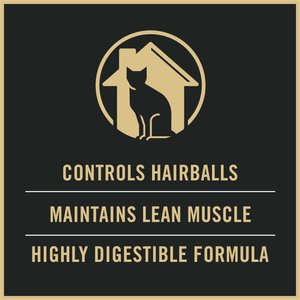
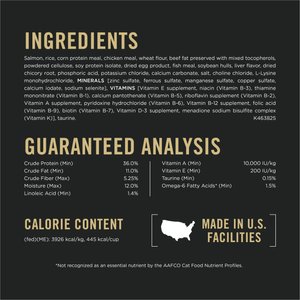
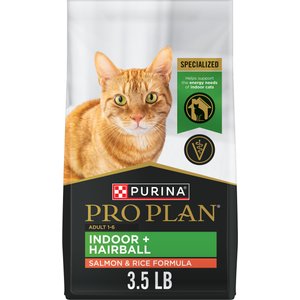
Purina Pro Plan Adult Indoor Hairball Management Salmon & Rice Formula Dry Cat Food, 3.5-lb bag
$16.88 Chewy Price
($4.83/lb)
Promo, New Customers Only: Spend $49+, get $25 eGift Card
Our ratings
Digestibility
4.5/5
GreatHairball Control Formula
4.5/5
GreatHigh Protein Content
4.5/5
GreatNatural Ingredients
4.6/5
Excellent
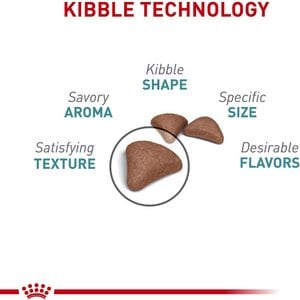
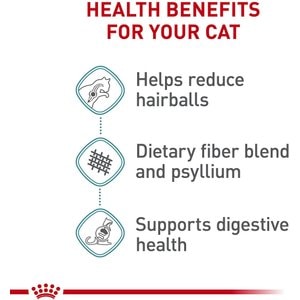
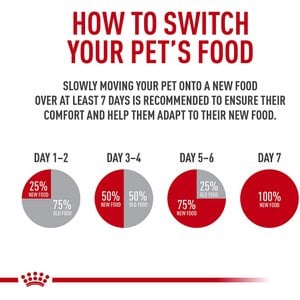
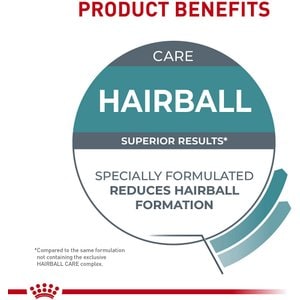
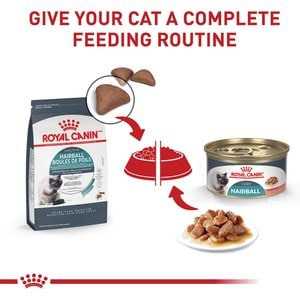
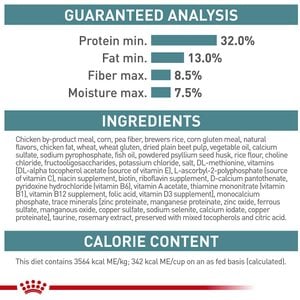
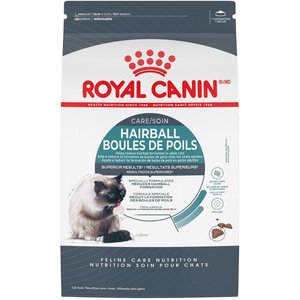
Royal Canin Feline Care Nutrition Hairball Care Adult Dry Cat Food, 3-lb bag
$28.99 Chewy Price
($9.67/lb)
Promo, New Customers Only: Spend $49+, get $25 eGift Card
Our ratings
Digestibility
4.5/5
GreatHairball Control Formula
4.6/5
ExcellentHigh Protein Content
4.5/5
GreatNatural Ingredients
4.6/5
Excellent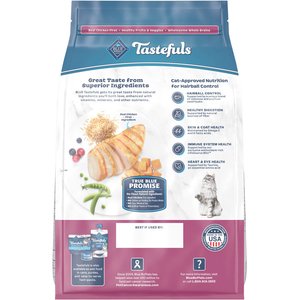
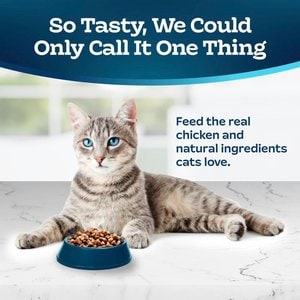
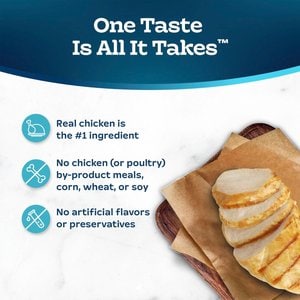
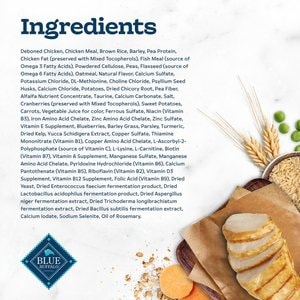
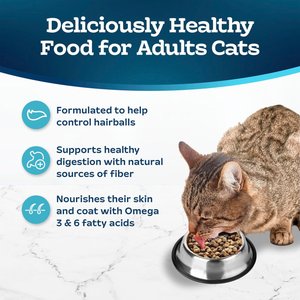
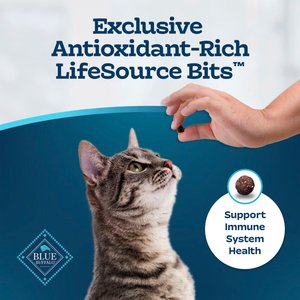
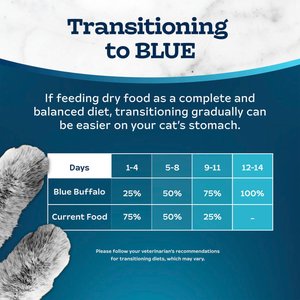
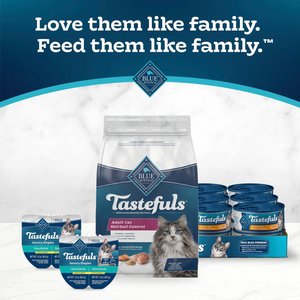
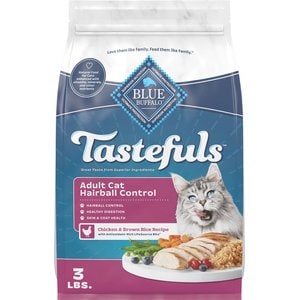
Blue Buffalo Tastefuls Chicken & Brown Rice Recipe Hairball Control Adult Dry Cat Food, 3-lb bag
$17.99 Chewy Price
($6.00/lb)
Promo, New Customers Only: Spend $49+, get $25 eGift Card
Our ratings
Digestibility
4.5/5
GreatHairball Control Formula
4.5/5
GreatHigh Protein Content
4.6/5
ExcellentNatural Ingredients
4.6/5
Excellent

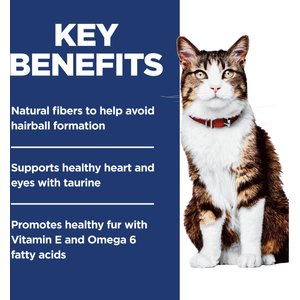
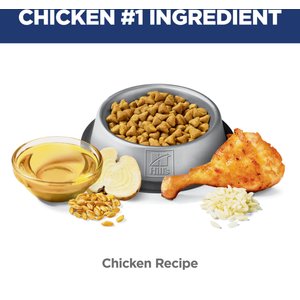
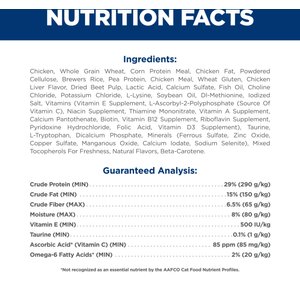
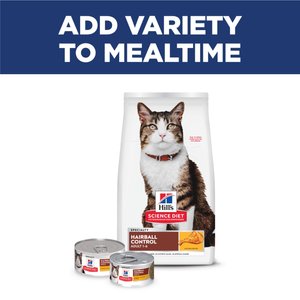
Hill's Science Diet Adult Hairball Control Chicken Recipe Dry Cat Food, 3.5-lb bag
$23.99 Chewy Price
($6.86/lb)
Promo, New Customers Only: Spend $49+, get $25 eGift Card
Our ratings
Digestibility
4.2/5
GreatHairball Control Formula
4.3/5
GreatHigh Protein Content
4.3/5
GreatNatural Ingredients
4.4/5
Great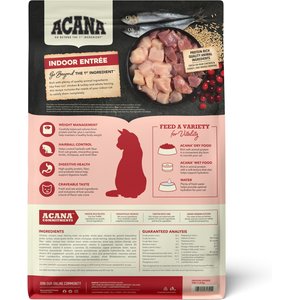
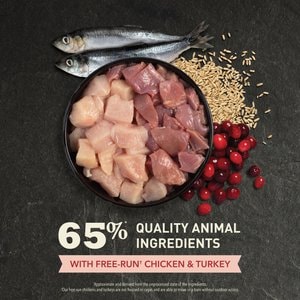
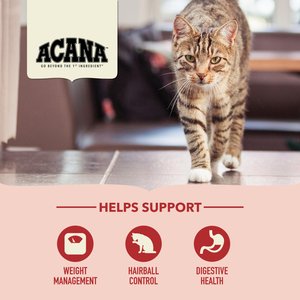
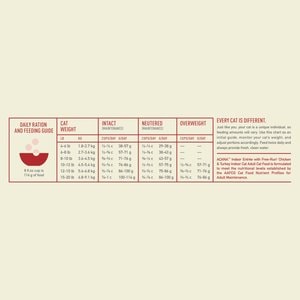
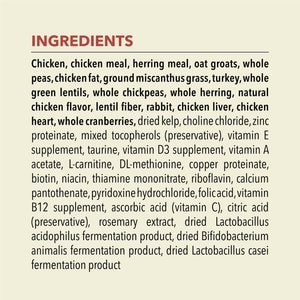
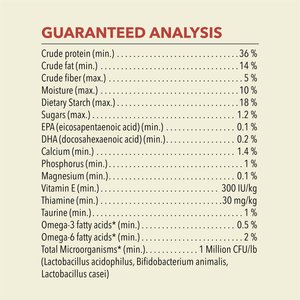
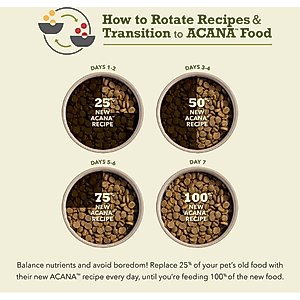
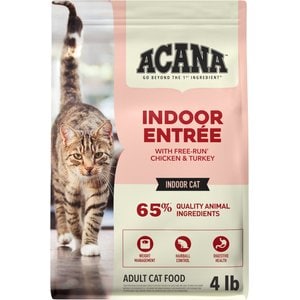
ACANA Indoor Entree Chicken Turkey Whole Herring & Rabbit Dry Cat Food, 4-lb bag
$21.99 Chewy Price
($5.50/lb)
Promo, New Customers Only: Spend $49+, get $25 eGift Card
Our ratings
Digestibility
4.5/5
GreatHairball Control Formula
4.3/5
GreatHigh Protein Content
4.4/5
GreatNatural Ingredients
4.4/5
Great
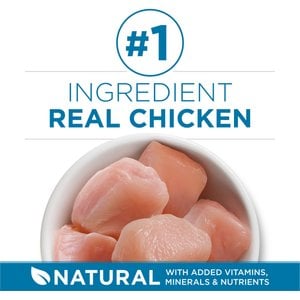


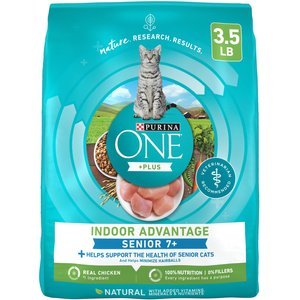
Purina ONE Indoor Advantage Senior 7+ High Protein Natural Dry Cat Food, 3.5-lb bag
$10.28 Chewy Price
($2.94/lb)
Promo, New Customers Only: Spend $49+, get $25 eGift Card
Our ratings
Digestibility
4.5/5
GreatHairball Control Formula
4.5/5
GreatHigh Protein Content
4.5/5
GreatNatural Ingredients
4.6/5
Excellent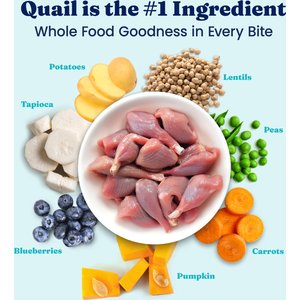
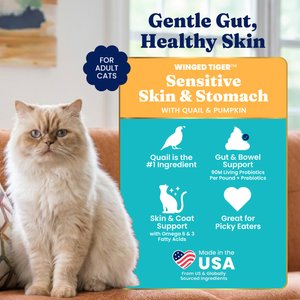
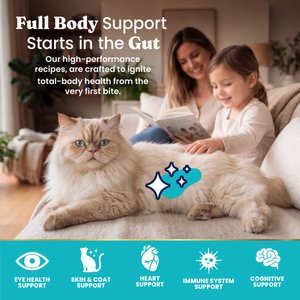

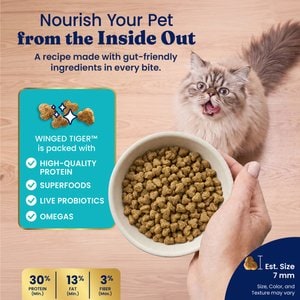
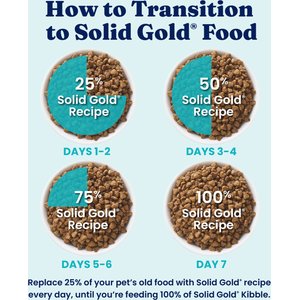
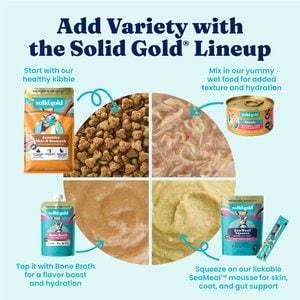
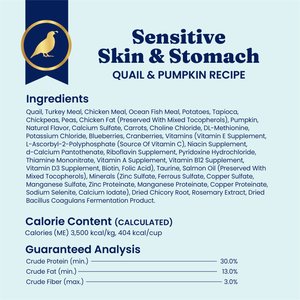
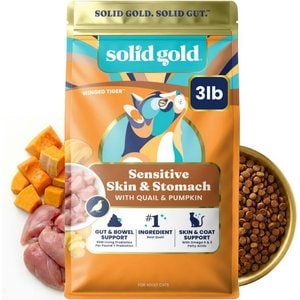
Solid Gold Sensitive Stomach Quail & Pumpkin Grain-Free Dry Cat Food, 3-lb bag
$19.97 Chewy Price
($6.66/lb)
Promo, New Customers Only: Spend $49+, get $25 eGift Card
Our ratings
Digestibility
4.3/5
GreatHairball Control Formula
4.2/5
GreatHigh Protein Content
4.4/5
GreatNatural Ingredients
4.3/5
Great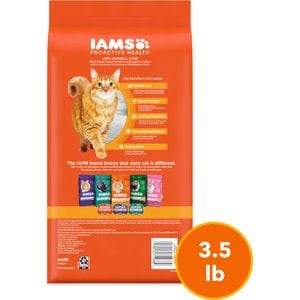
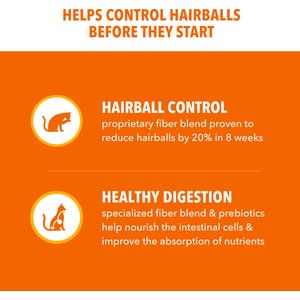

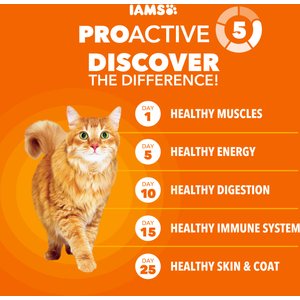
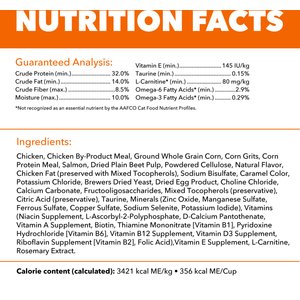

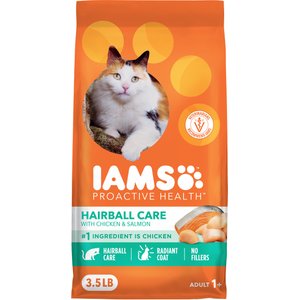
Iams ProActive Health Adult Hairball Care with Chicken & Salmon Dry Cat Food, 3.5-lb bag
$10.98 Chewy Price
($3.14/lb)
Promo, New Customers Only: Spend $49+, get $25 eGift Card
Our ratings
Digestibility
4.4/5
GreatHairball Control Formula
4.5/5
GreatHigh Protein Content
4.4/5
GreatNatural Ingredients
4.5/5
Great