Best French Bulldog Puppy Health and Wellness
Our Top Picks
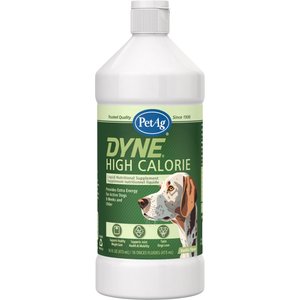
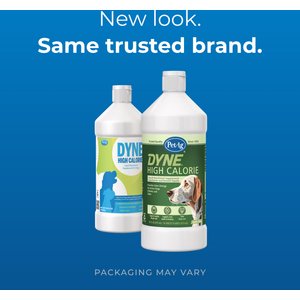
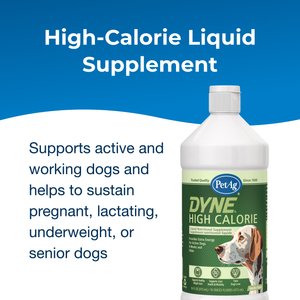
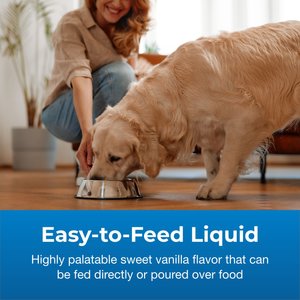


PetAg Dyne High Calorie Liquid Nutritional Supplement for Dogs & Puppies 8 Weeks & Older, 16-fl oz bottle
$15.29 Chewy Price
($0.96/fl oz)
Promo, New Customers Only: Spend $49+, get $25 eGift Card
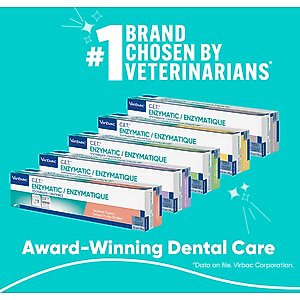
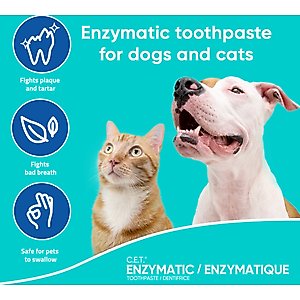
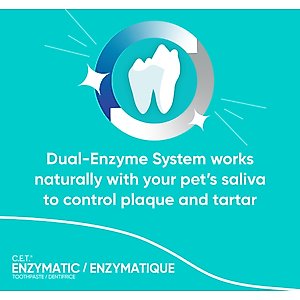
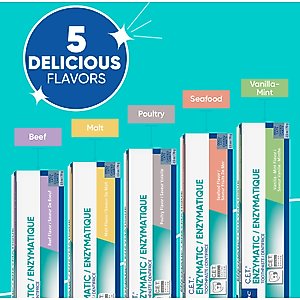
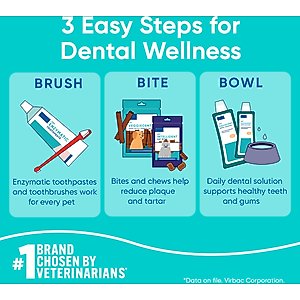
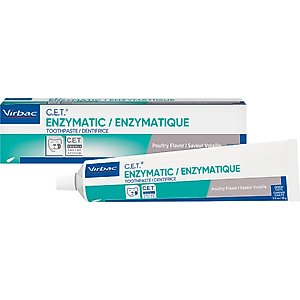
Virbac C.E.T. Enzymatic Poultry Flavor Dog & Cat Toothpaste, 70 gram
$12.29 Chewy Price
($0.18/g)
Promo, New Customers Only: Spend $49+, get $25 eGift Card
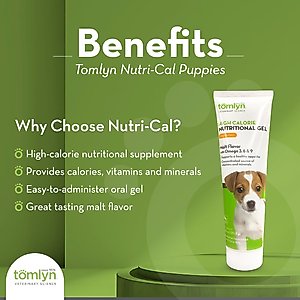
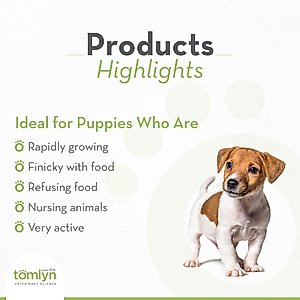
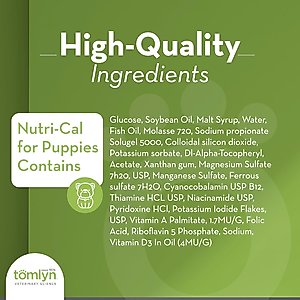
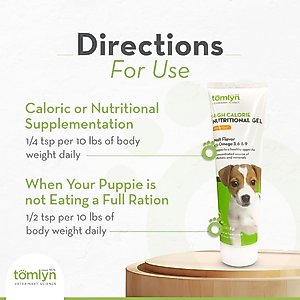
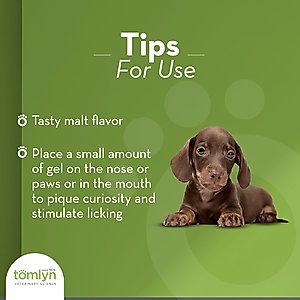
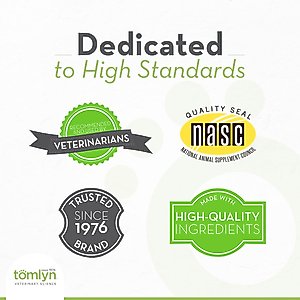

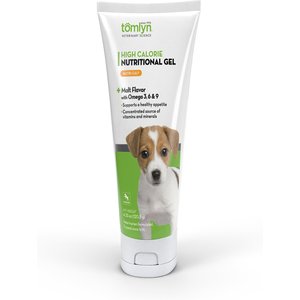
Tomlyn Nutri-Cal Malt Flavored Gel High Calorie Supplement for Puppies, 4.25-oz tube
$16.97 Chewy Price
($4.00/oz)
Promo, New Customers Only: Spend $49+, get $25 eGift Card
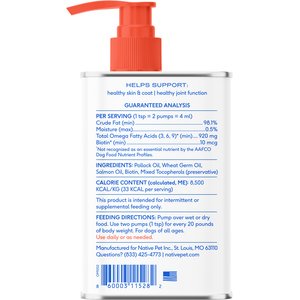
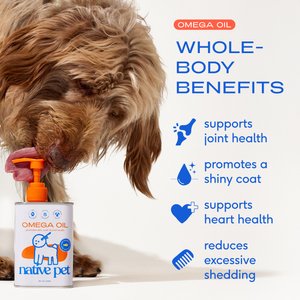
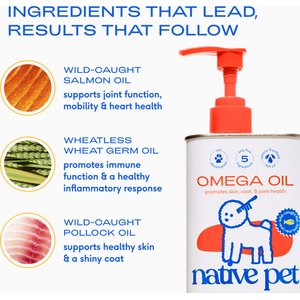
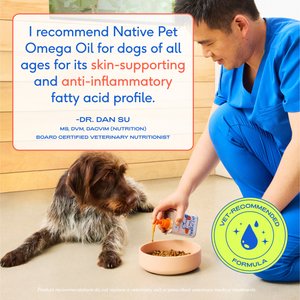
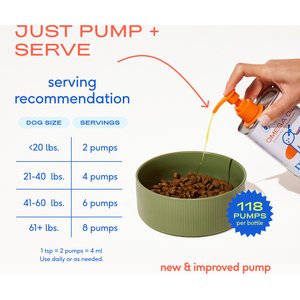
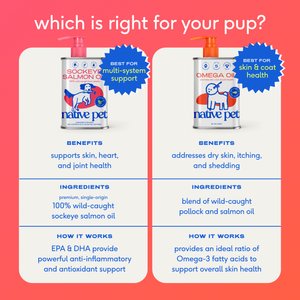
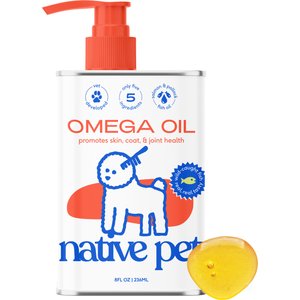
Native Pet Omega-3 Fish Oil & Alaskan Salmon Oil Skin & Coat Health Supplement for Dogs, 8-fl oz bottle
$16.99 Chewy Price
($2.13/fl oz)
Promo, New Customers Only: Spend $49+, get $25 eGift Card
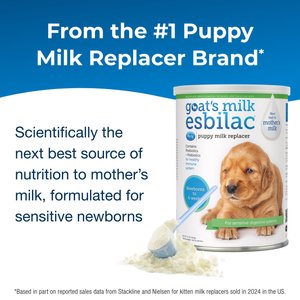
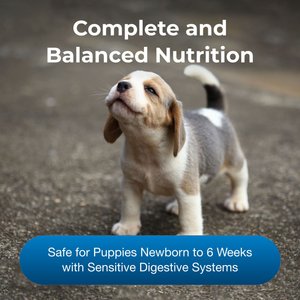
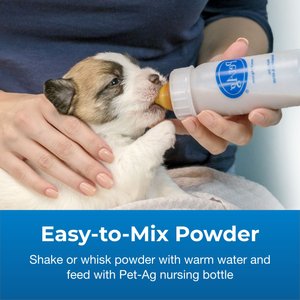

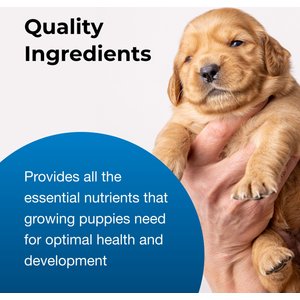
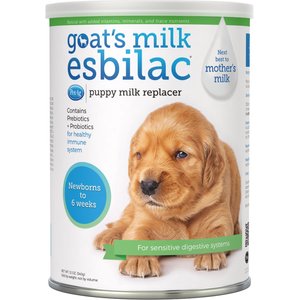
PetAg Goat's Milk Esbilac Puppy Milk Replacer Powder for Puppies, 12-oz can
$36.54 Chewy Price
($3.05/oz)
Promo, New Customers Only: Spend $49+, get $25 eGift Card
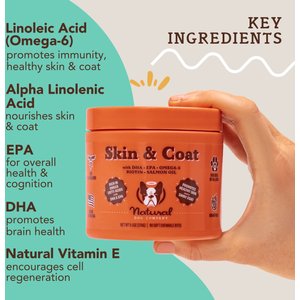
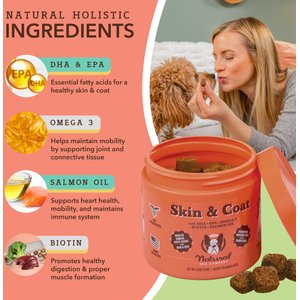
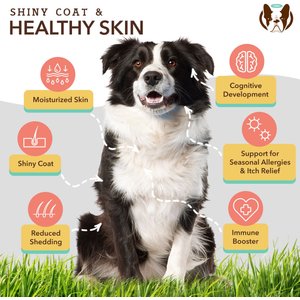
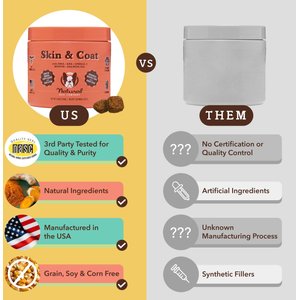
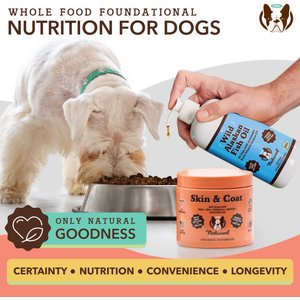
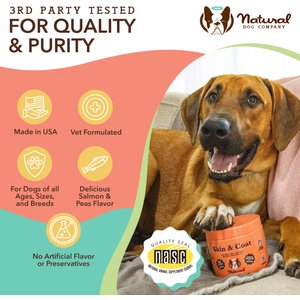
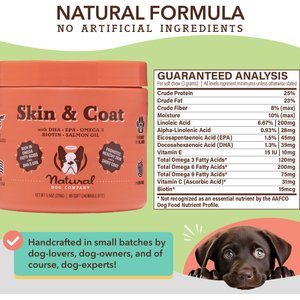
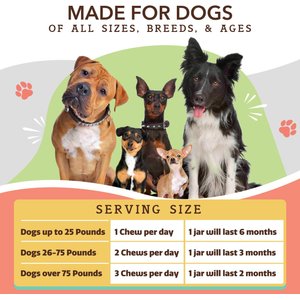
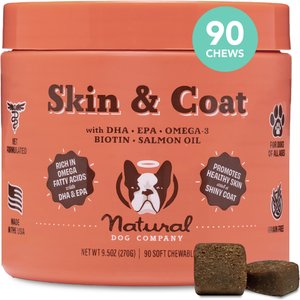
Natural Dog Company Skin & Coat Omega-3 Salmon & Pea Flavored Soft Chew Supplement for Dogs, 90 count
$29.95 Chewy Price
($0.34/ea)
Promo, New Customers Only: Spend $49+, get $25 eGift Card
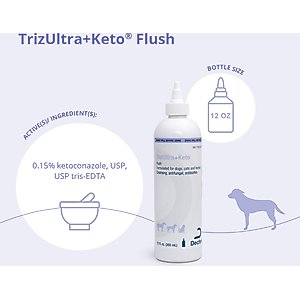
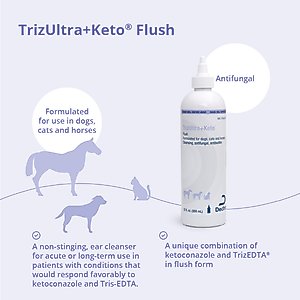
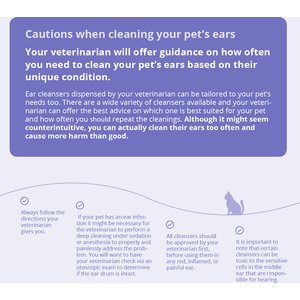
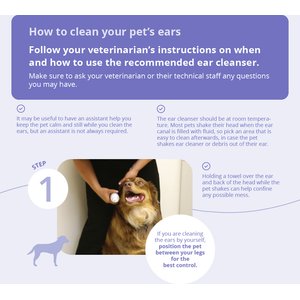
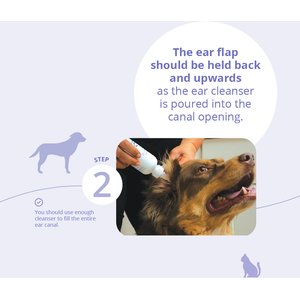
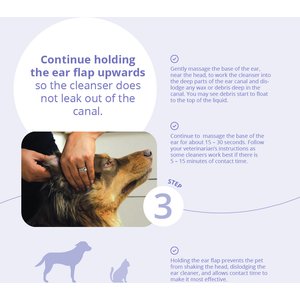
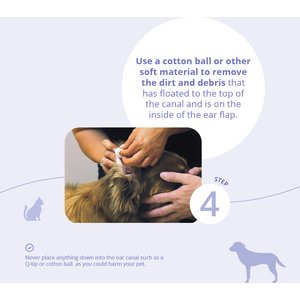

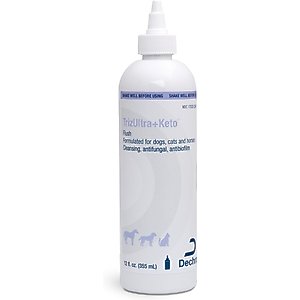
TrizULTRA + Keto Flush for Dogs, Cats & Horses, 12-fl oz bottle
$39.02 Chewy Price
($3.26/fl oz)
Promo, New Customers Only: Spend $49+, get $25 eGift Card


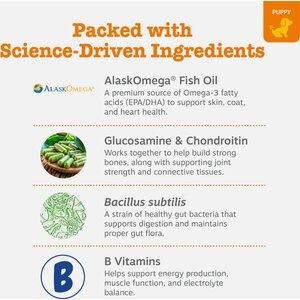
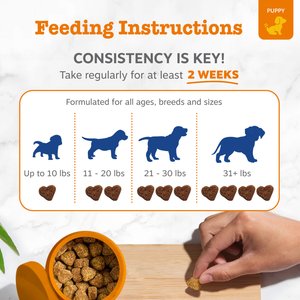


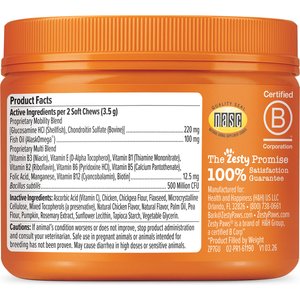
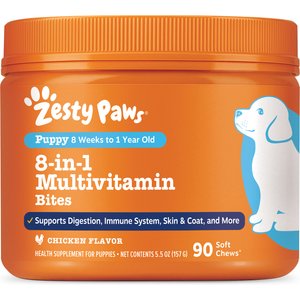
Zesty Paws Puppy 8-in-1 Chicken Flavor Soft Chews Multivitamin Supplement for Dogs, 90 count
$20.97 Chewy Price
($0.24/ea)
Promo, New Customers Only: Spend $49+, get $25 eGift Card
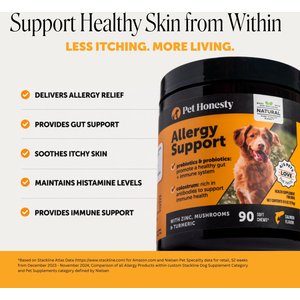
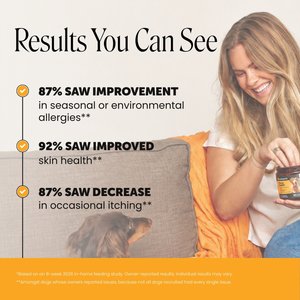
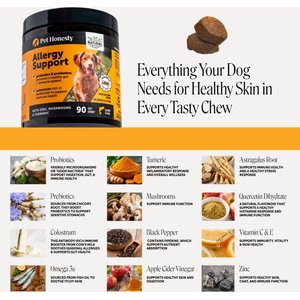
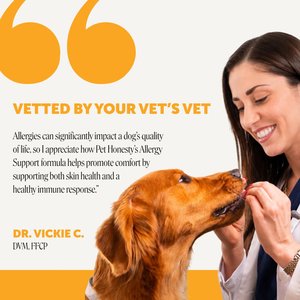
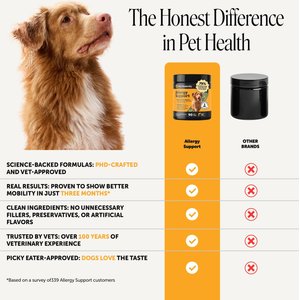
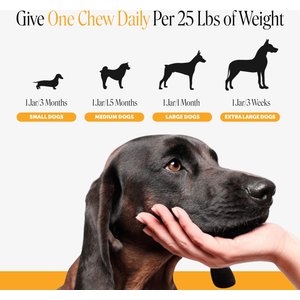
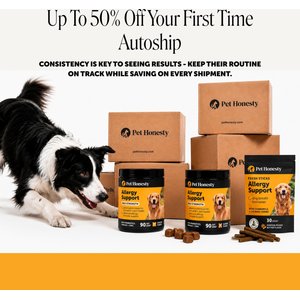
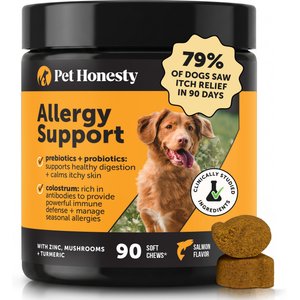
Pet Honesty Allergy Support Salmon Flavored Colostrum & Turmeric Chews, Itchy Skin, Immune & Allergy Relief Supplement for Dogs, 90 count
$32.99 Chewy Price
($0.37/ea)
Promo, New Customers Only: Spend $49+, get $25 eGift Card
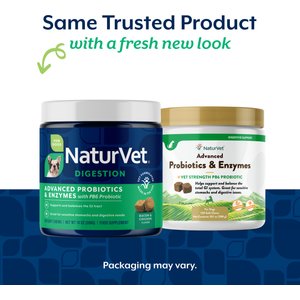
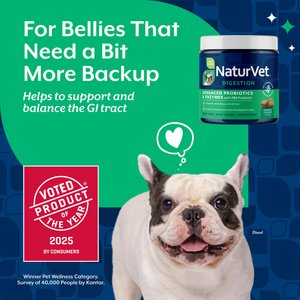
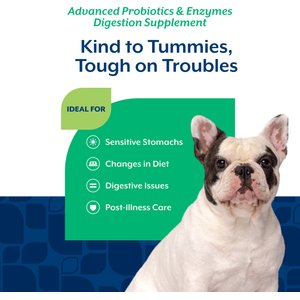
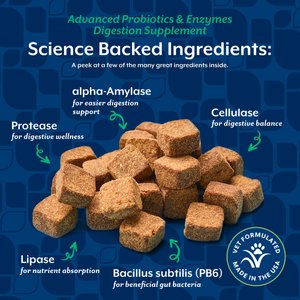

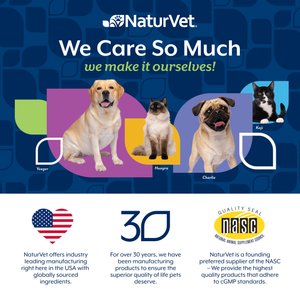
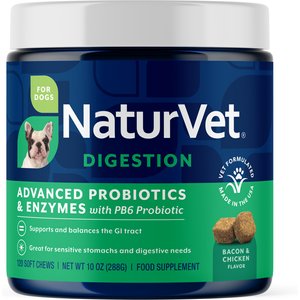
NaturVet Advanced Probiotics & Enzymes Digestion Hickory Smoked Bacon Flavored Soft Chews Supplement for Dogs, 120 count
$34.77 Chewy Price
($0.29/ea)
Promo, New Customers Only: Spend $49+, get $25 eGift Card