Best Uv Light For Reptiles
Our Top Picks


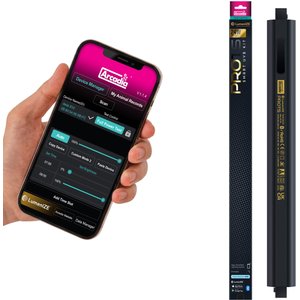


Arcadia Reptile Pro T5 Kit, Desert 12% UVB, 24W, 24"
$84.99 Chewy Price
($84.99/ea)
Promo, Buy 3, get 4th free- mix & match
Our ratings
Lifespan
4.1/5
GreatSize and Coverage Area
4.4/5
GreatType of Bulb
4.0/5
GreatUVB Output
4.2/5
Great
Zoo Med Avian Sun Deluxe Floor UVB Lamp
$78.41 Chewy Price
Promo, New Customers Only: Spend $49+, get $25 eGift Card
Our ratings
Lifespan
4.6/5
ExcellentSize and Coverage Area
4.6/5
ExcellentType of Bulb
4.5/5
GreatUVB Output
4.2/5
GreatArcadia Reptile D3+ T5 Bulb, Desert 12% UVB, 24W, 22", 1 count
$32.99 Chewy Price
($32.99/ea)
Promo, Buy 3, get 4th free- mix & match
Our ratings
Lifespan
3.9/5
GoodSize and Coverage Area
4.0/5
GreatType of Bulb
4.3/5
GreatUVB Output
4.0/5
Great
Arcadia Reptile Pro T5 Kit ShadeDweller 7% UVB, 8W, 12.5", 1 count
$57.99 Chewy Price
($57.99/ea)
Promo, Buy 3, get 4th free- mix & match
Our ratings
Lifespan
3.9/5
GoodSize and Coverage Area
4.1/5
GreatType of Bulb
3.5/5
GoodUVB Output
3.5/5
Good
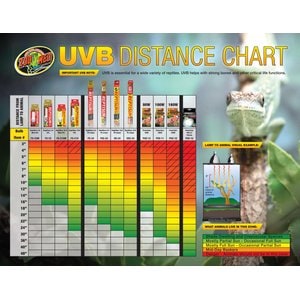
Zoo Med ReptiSun 10.0 T5-HO UVB Fluorescent Reptile Lamp, 15w, 12-in
$23.98 Chewy Price
($23.98/ea)
Promo, Buy 3, get 4th free- mix & match
Our ratings
Lifespan
3.9/5
GoodSize and Coverage Area
3.9/5
GoodType of Bulb
4.2/5
GreatUVB Output
3.8/5
Good


Zoo Med ReptiSun 10.0 UVB Compact Fluorescent Reptile Lamp, 13-Watt
$18.98 Chewy Price
($18.98/ea)
Promo, Buy 3, get 4th free- mix & match
Our ratings
Lifespan
4.1/5
GreatSize and Coverage Area
4.4/5
GreatType of Bulb
3.8/5
GoodUVB Output
3.5/5
Good

Zoo Med Aquatic Turtle UVB & Heat Lighting Kit
$64.98 Chewy Price
Promo, Buy 3, get 4th free- mix & match
Our ratings
Lifespan
4.2/5
GreatSize and Coverage Area
4.5/5
GreatType of Bulb
4.2/5
GreatUVB Output
4.4/5
Great


Zoo Med ReptiSun 10.0 T8-HO UVB Fluorescent Reptile Lamp, 18-in
$27.99 Chewy Price
($27.99/ea)
Promo, Buy 3, get 4th free- mix & match
Our ratings
Lifespan
4.0/5
GreatSize and Coverage Area
4.0/5
GreatType of Bulb
4.0/5
GreatUVB Output
3.4/5
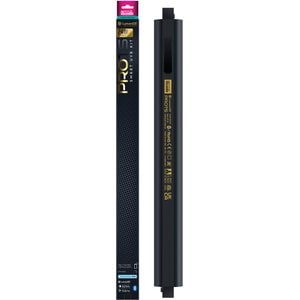
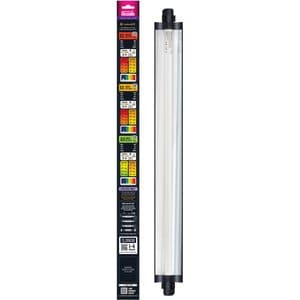
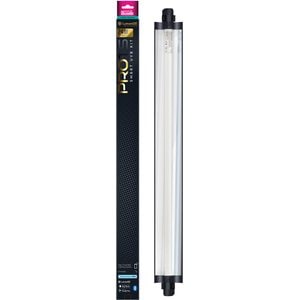
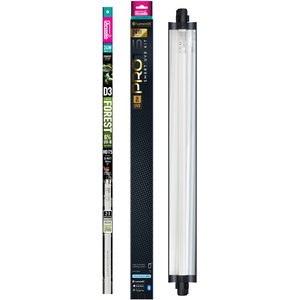
Arcadia Reptile LumenIZE Pro T5 Kit, D3 Forest, 6% UVB, 24W, 24"
$146.00 Chewy Price
Promo, Buy 3, get 4th free- mix & match
Our ratings
Lifespan
4.3/5
GreatSize and Coverage Area
4.4/5
GreatType of Bulb
4.2/5
GreatUVB Output
4.2/5
Great


REPTI ZOO 100W Sun Basking Reptile Terrarium Lamp
$22.49 Chewy Price
($22.49/ea)
Promo, New Customers Only: Spend $49+, get $25 eGift Card
Our ratings
Lifespan
4.5/5
GreatSize and Coverage Area
4.1/5
GreatType of Bulb
4.1/5
GreatUVB Output
3.7/5
Good