Can Birds Eat Peanuts?

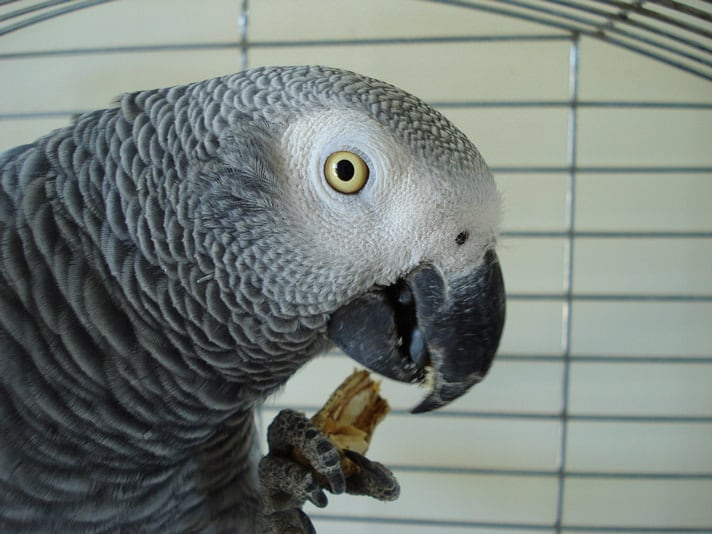
Photo by Chewy
Wondering if it’s safe to feed peanuts to your pet bird? What about peanut butter? Peanuts, along with cereals and grains, are prone to mold. Without proper storage along the supply chain, you could inadvertently be feeding your beloved pet a toxic treat.
Can birds eat peanuts? We turned to Donna Muscarella, Ph.D. at the Department of Microbiology and Immunology of Cornell University’s Veterinary Medical Center for help with this question. Her response provided a wealth of information, as did those of her colleagues, Dr. Noah Abou-Madi and Dr. James Morrisey.
Here’s what to know about birds and peanuts, and what steps you can take to safeguard your pet bird’s health.
Key Takeaways
- Peanuts, other nuts, cereals, and grains may contain toxins produced by some species of fungi Aspergillus.
- The likelihood of contamination increases with improper food storage, especially in warm, humid places where molds can thrive.
- Birds are especially susceptible to these toxins that affect their liver.
- You should feed only high-quality, carefully stored peanuts, as well as other nuts and grains, to your pet bird.
- Reach for big commercial brands made for human consumption, as they're more likely to undergo regular food safety testing.
Peanuts May Contain Toxins
Aflatoxin, a group of toxins produced by certain species of the fungi Aspergillus, is a potential contaminant of peanuts, cereals, and grains.
“Improper storage in warm, damp, dark, conditions promotes growth of the mold,” says Muscarella. “Aflatoxin is a potent liver toxin, and birds are exquisitely susceptible to its toxic effects. This was reported a long time ago in England, where many turkeys died from Aflatoxicosis after eating contaminated corn.
At the time this syndrome was referred to as ‘Turkey X’ disease. To this day, there are clear accounts of pet birds dying after eating moldy peanuts and grains.
“Aflatoxin is also toxic to mammals, including humans,” she continued. “Chronic, low-level exposure in food, which is not enough to cause acute toxicity or death, results in a high incidence of liver cancer. Aflatoxin is one of the few proven human dietary carcinogens.”
James Morrisey, DVM, senior lecturer in the Department of Clinical Sciences and veterinarian in the exotic animal program at the Companion Animal Hospital at Cornell, says, “It can be very difficult to determine if the aflatoxins caused damage in birds because usually by the time the damage is evident clinically, the toxins are long gone, especially with chronic low-level ingestion.
“Birds can develop liver cancer, and it is possible that eating poor quality food with low levels of mold contamination over long periods of time may contribute to this,” says Muscarella. “However, while peanuts are prone to Aspergillus contamination, grains and cereals can also be contaminated.
The USDA monitors grains produced in the U.S. for aflatoxin-producing molds, so perhaps the major problem is private storage. Hence, the lesson to be learned is that only high-quality, carefully stored products should be fed to our pets.
Choose Quality Peanut Products
“As for peanuts in particular, I am not opposed to feeding a few peanuts here and there as a snack, or some peanut butter on whole-grain bread,” Muscarella says. “Peanuts are a good protein source, a good source of vitamin E and even some ‘healthy’ types of fats. However, I prefer to use the highest-quality peanut products and only those intended for human consumption. Make sure your own storage conditions (particularly in warm, humid climates) are carefully maintained for all bird food.”
Roasted Peanuts
I asked Muscarella about the safety of roasted peanuts and peanut butter: Does roasting destroy aflatoxin? She believes that small amounts of roasted, “for human consumption” quality products are generally safe, but cautions that roasting does not destroy aflatoxin.
Commerical Food Testing
“Commercial food producers test peanuts for aflatoxin levels to ensure that their products are safely below the USDA-permissible levels,” she says.
“Organic peanut butter is free of added sugar, but there may be more variables in peanut sources and storage conditions in locally made peanut butter as compared to a big brand-name company,” she continues. “If you give your bird peanut butter as a treat, a well-known commercial brand might be a better choice because of the routine testing done by large companies. Don’t trust bulk peanut products that may have been stored under questionable conditions or for an unknown length of time. Look for an expiration date on the package.”
Dr. Muscarella adds that there’s no way her African grey parrot, Maxie, will go without his little open-faced peanut butter sandwich—but its got to be his favorite brand of peanut butter on multi-grain bread, or it lands on the floor, peanut butter side down!
Other Nuts
Dr. Noah Abou-Madi, a senior lecturer and veterinarian in the exotic animal program at the Companion Animal Hospital at Cornell, pointed out that other nuts, such as almonds and nut butters, may be preferable to peanuts and should be considered as well. Dr. Abou-Madi cautioned that the same conditions for storage and safety apply to other nuts as well as to peanuts.
FAQs About Pet Birds and Peanuts
Can pet birds eat peanuts?
Yes, pet birds can eat small amounts of high-quality peanuts as an occasional treat. However, peanuts must be fresh, properly stored, and free from mold contamination. Choose products intended for human consumption from reputable commercial brands.
Are peanuts safe for parrots?
Peanuts can be offered to parrots in moderation, provided they are high-quality and properly stored. Parrots are particularly susceptible to aflatoxins, toxins produced by certain molds that can damage the liver—and peanuts, grains, and cereals can gather mold if not stored properly.
Can birds eat peanut butter?
Yes, some pet birds can enjoy small amounts of peanut butter as an occasional treat. Choose a reputable commercial brand and check the ingredients. Avoid products with added ingredients that may be harmful to birds, such as sugar, and always ensure the peanut butter has been stored properly.
Can birds eat roasted peanuts?
Birds can eat small amounts of roasted peanuts intended for human consumption. However, roasting does not destroy aflatoxins, so choosing high-quality peanuts from reputable commercial producers is still important.
What are aflatoxins, and why are they dangerous to birds?
Aflatoxins are toxic substances produced by certain species of Aspergillus mold. They can contaminate peanuts, grains, and cereals, particularly when food is stored in warm, damp conditions. Birds are especially sensitive to aflatoxins, which can cause liver damage and other serious health problems.
Can moldy peanuts make birds sick?
Yes. Moldy peanuts can contain aflatoxins, which are highly toxic to birds. Exposure can cause serious liver damage and may even be fatal. Never feed birds peanuts that appear moldy, smell unusual, or have been stored improperly.
How should you store peanuts for pet birds?
Store peanuts and other bird foods in a cool, dry place, using airtight containers when appropriate. Protect food from moisture and humidity, check expiration dates, and discard products that show signs of spoilage or mold.
Are organic peanuts or peanut butter safer for birds?
Not necessarily. Organic products are not automatically safer from aflatoxin contamination. However, commercial brands may offer more consistent food safety testing and quality control than locally made or bulk peanut products with unknown storage histories.
Can birds eat other types of nuts?
Yes, some pet birds can enjoy nuts and nut products, such as almonds or almond butter, as occasional treats. However, other nuts and nut butters can also be susceptible to mold contamination. Choose high-quality products and ideally, commercial brands made for human consumption, and follow the same storage precautions as you would with peanuts.
How often should you feed peanuts to pet birds?
Peanuts should be offered sparingly as an occasional treat rather than as a dietary staple. A bird’s primary diet should consist of nutritionally appropriate food formulated for their species, supplemented with suitable fresh foods as recommended by an avian veterinarian.
Are peanuts a good source of nutrition for birds?
Peanuts should be offered to pet birds only in moderation. Peanuts provide protein, vitamin E, and healthy fats that provide nutritional benefits, but these should be balanced against the risks of contamination and their high fat content.
What should I do if my bird eats moldy peanuts?
Contact an avian veterinarian promptly if you suspect your bird has eaten moldy or contaminated peanuts. Do not wait for symptoms to develop, as aflatoxin exposure can cause damage before obvious clinical signs appear.
Attributions