Can Cats Have Peanut Butter?


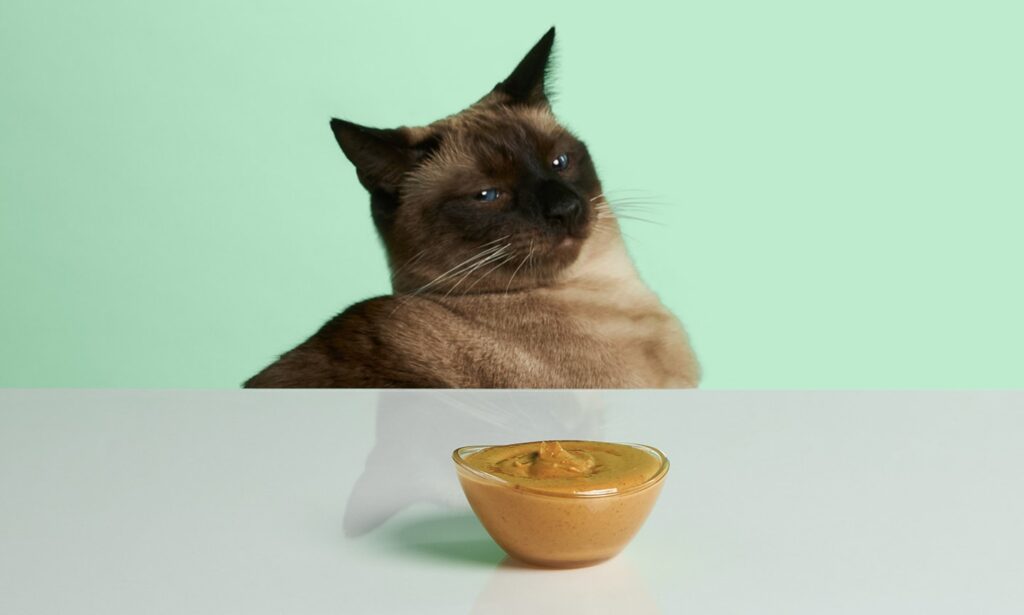
Photo by Chewy
Peanut butter might be a tasty snack for you, but can cats have peanut butter?
While most peanut butter isn’t toxic—though some might be—it’s still not a good idea to feed your cat this gooey food.
Key Takeaways
- Peanut butter isn’t a necessary or healthy part of a cat’s diet.
- Its high fat, sugar, salt, and calorie content can cause health problems for cats, especially those with existing conditions.
- Thick or chunky peanut butter can be a choking hazard for cats.
- Some sugar-free peanut butter varieties may contain harmful additives that are toxic to cats.
- If your cat eats peanut butter and it sticks in their throat, head straight to the emergency vet.
Can Cats Eat Peanut Butter?
No, it’s best to avoid it. While your cat might try to get their paws on a taste, it’s not the wisest choice for the complete and balanced nutrition they need.
Is Peanut Butter Good for Cats?
Nope. Cats are obligate carnivores, so there’s no reason they need peanut butter as a healthy part of their diet.
Cats need meat protein to fulfill their nutritional requirements, and since peanut butter isn’t meat, it’s not metabolized properly by our feline besties.
Is Peanut Butter Bad for Cats?
Yes, it can be. For starters, it has lots of empty calories, says Sarah J. Wooten, DVM, a veterinarian in Colorado.
“[Peanut butter is] just not part of their natural diet,” Dr. Wooten says. “Plus, I don’t like it for fat cats or for those who are sick in any way. It can just add to their problems.”
It’s especially important that cats with the following health conditions steer clear of peanut butter to avoid exacerbating their medical issues:
- Diabetes
- Heart disease
- Kidney disease
- Chronic GI issues
Peanut butter for cats is risky because:
- It can cause gut issues: “[Peanut butter is] often high in fat and sugar,” says Dr. Wooten, “and these ingredients can cause issues with their gut, which is not designed to handle foods like peanuts.” Many brands are also high in salt, and too much sodium can exacerbate heart or kidney issues.
- It can lead to weight gain: Peanut butter can have added sugars, making it high in calories. Due to the food’s caloric density, weight gain is a risk, especially for overweight cats.
- It’s a choking hazard: Due to its thick, sometimes chunky consistency, peanut butter is a choking hazard for felines. Your cat’s throat and mouth are small, so even a tiny amount can get stuck.
- It may contain additives, like xylitol: Sugar-free peanut butter varieties often contain additives such as xylitol, a sugar substitute, which may cause a rapid drop in blood pressure and liver failure.
What To Do If Your Cat Ate Peanut Butter
If your cat ate peanut butter, take the following steps:
- Remove the remaining peanut butter from their reach.
- Make sure that your cat isn’t choking on any peanut butter that may have gotten stuck in their throat. If you suspect your cat is choking, head to an emergency vet right away. Signs of choking in cats include:
-
- Pawing at the mouth
- Collapse
- Drooling
- Blue color of the gums and lips
- Retching or gagging
- Wheezing
3. If your cat seems OK, monitor them at home for signs of stomach upset, including diarrhea or vomiting.
4. Call your vet if your cat continues to have GI issues or develops other concerning signs.
What To Give Your Cat Instead of Peanut Butter
Just because your cat can’t have a bite of that PB&J doesn’t mean they can’t enjoy other treats.
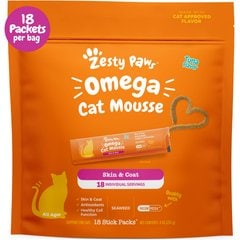
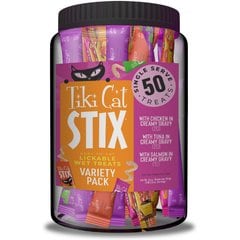
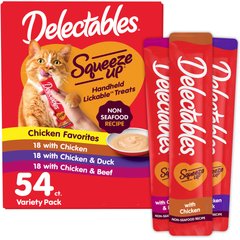
Try a tasty squeezable treat that has a peanut-butter-like consistency to make your cat’s day.
Recommended Products
FAQs About Cats and Peanut Butter
Can cats eat peanuts?
No, it’s not a great idea. Plain, unsalted peanuts aren’t toxic to cats, so a tiny piece here and there is unlikely to cause harm. That said, they’re not a healthy snack for cats and are best avoided.
Do cats like peanut butter?
Your cat might like peanut butter—but that doesn’t mean they should eat it. It’s not a healthy treat, so it’s better to find a safer alternative.
Attributions