Cat Diet Guide: What Should I Feed My Cat?


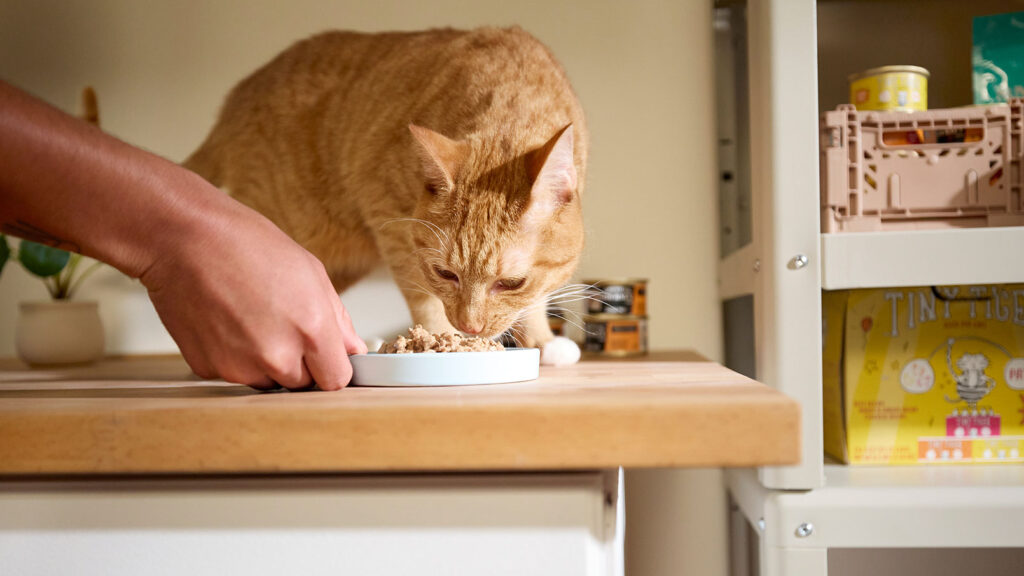
Photo by Chewy
Choosing the right food for your cat is one of the most important decisions you’ll make as a pet parent. From kittenhood through the senior years, your cat’s diet plays a crucial role in your cat’s health, energy levels, and overall quality of life.
In this guide, we’ll explore what cats need to eat, how their nutritional requirements change over time, and how to select the best cat food at all life stages.
Key Takeaways
- Cats are obligate carnivores and require a diet high in animal-based protein.
- Nutritional needs change with life stage—kitten, adult, and senior cats each need different foods.
- Look for Association of American Feed Control Officials (AAFCO)-approved cat foods with animal protein as the main ingredient.
- Treats and human foods should be limited and chosen carefully to avoid health risks.
What Should Cats Eat?
Cats are obligate carnivores, which means they have some distinctive nutritional needs, including:
- Large amounts of high-quality animal protein as the foundation of their diet
- Essential amino acids like taurine and arginine that they need from food
- Fats for energy and to provide essential fatty acids like arachidonic acid
- Vitamins and minerals including vitamin A, which feline bodies cannot make
AAFCO produces guidelines to ensure that cat foods do not provide too little or too much of any important nutrient. Make sure any cat food you purchase has an AAFCO statement of nutritional adequacy printed on its label.
Feeding Cats at Each Life Stage
Your cat’s nutritional needs change throughout their life. AAFCO guidelines handle this by producing different standards for adult maintenance and for growth and reproduction.
Kittens (6 weeks–1 year)
Newborn kittens require special attention, but after they reach 6–8 weeks of age, they are ready to eat kitten food and drink water.
Recommended Products
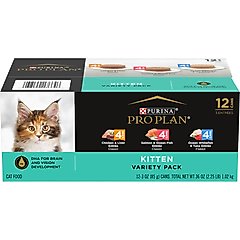
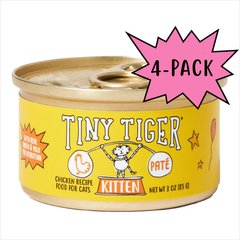
Kittens grow rapidly and need nutrient-dense foods to support this development. According to AAFCO, dry kitten food must contain at least 30% protein—more than adult cat food. Kittens also require higher levels of certain vitamins andminerals.
Young kittens should eat at least three to four times daily, transitioning to two to three meals as they approach adulthood. Most kittens can transition to adult food around 10–12 months of age, although large breeds, like Maine Coons, may benefit from eating kitten food until they are around 18 months old.
Adult Cats (1 year–7 years)
Adult cat food must contain at least 26% protein, but many cats thrive on diets with significantly more—35% or even higher. This helps maintain lean muscle mass and better matches a cat’s natural diet of small prey animals.
Recommended Products
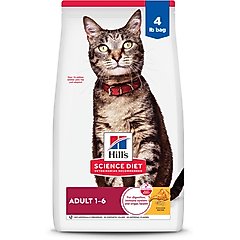
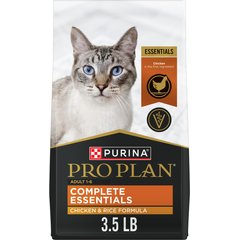
Most adult cats can do well eating two meals per day, although smaller, more frequent meals mimic their natural hunting behavior. Portion control becomes increasingly important since many indoor cats don’t get enough exercise and can easily become overweight. Monitor your cat’s body condition regularly and adjust portions as needed.
Senior Cats (7 years–10 years and above)
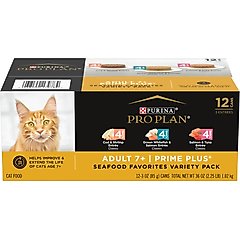
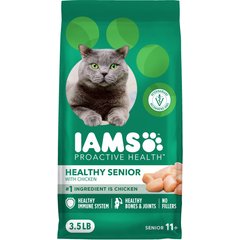
Senior cats undergo changes in metabolism that reduce their ability to digest and absorb protein. For healthy senior cats, a high-protein diet (40% or more on a dry-matter basis) can help prevent muscle wasting and boost well-being.
While AAFCO doesn’t publish specific requirements for older cats (adult standards apply), senior cat foods are often fortified with joint support ingredients, antioxidants, and other supplements.
Recommended Products
If your cat has been diagnosed with a health condition, your veterinarian may recommend a therapeutic cat food.
What To Look for in a Cat Diet
When evaluating cat foods, look for options made by reputable manufacturers that have:
- Animal proteins as the primary ingredients
- An AAFCO statement of nutritional adequacy corresponding to your cat’s life stage
- A protein content that is higher than the minimum recommended amount
Thankfully, there are many types of cat food that can meet these standards.
Types of Cat Food
Dry Cat Food
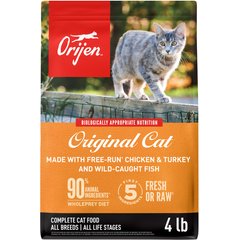
Dry cat food is economical, convenient, and has a long shelf life. However, it tends to be higher in carbohydrates and lower in protein than wet foods. Many cats also prefer to get their water from food rather than drinking from a bowl, making dry food less than ideal in this regard.
Recommended Products
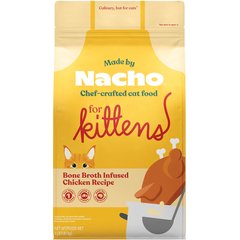
Wet Cat Food
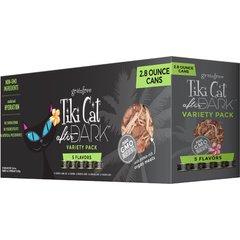
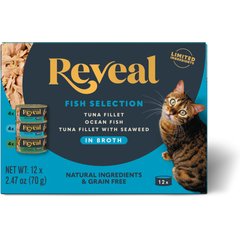
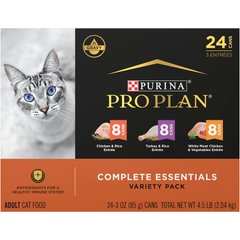
Wet or canned cat food contains 75%-85% moisture, making it excellent for supporting hydration. Cats typically find wet food tastier than dry food, and it generally contains fewer carbohydrates and more animal protein, but you’ll have to convert label percentages to dry–matter percentages to compare wet and dry foods. Many veterinarians recommend wet food as the primary diet for cats.
Recommended Products
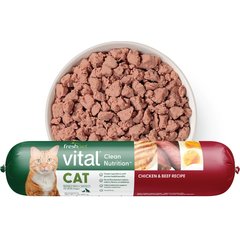
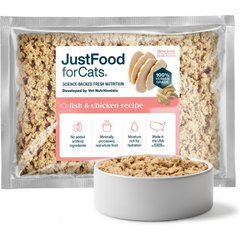
Fresh Cat Food
Fresh cat foods are usually refrigerated or frozen and feature minimally processed, whole food ingredients. These products typically contain high-quality proteins and a lot of moisture, but they require careful handling.
Recommended Products
Raw Cat Food
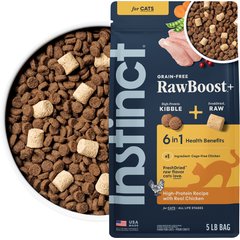
Raw diets attempt to replicate what cats would eat in nature. However, they carry significant risks including bacterial contamination, nutritional imbalances if home-prepared, and potential dangers from bones. Commercially prepared raw cat foods benefit from some safety protocols, but discuss the pros and cons of raw feeding with your veterinarian.
Recommended Products
Dehydrated Cat Food
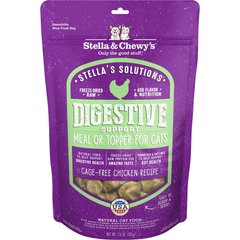
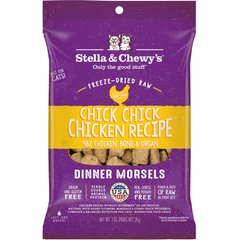
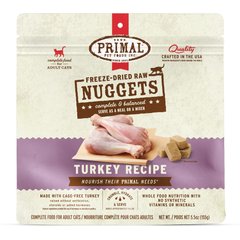
Dehydrated and freeze-dried cat foods are shelf-stable (don’t need to be refrigerated or frozen) and are often made with high-quality animal proteins. Some types are designed to be served as-is, but the varieties you rehydrate can support a cat’s hydration like wet food.
Recommended Products
Homemade Cat Food
While preparing homemade cat food gives you complete control over ingredients, it can be difficult to meet your cat’s nutritional needs. If you want to feed homemade cat food, work with a board-certified veterinary nutritionist to develop a complete and balanced recipe and follow your veterinarian’s recommendations for dietary and health monitoring.
What Can I Feed My Cat as a Treat?
Treats can be a fun way to bond with your cat, but they should make up no more than 10% of your cat’s daily calorie intake to avoid nutritional imbalances and weight gain.
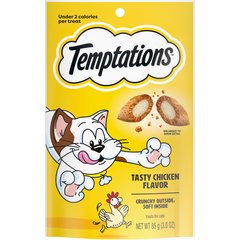
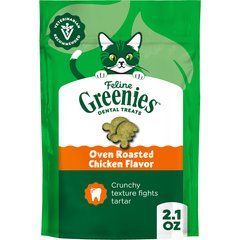
Cat treats come in many forms—like crunchy snacks, soft chews, freeze-dried meats, and lickable purées. Find a few types your cat likes and rotate them to keep things interesting. You can also use small amounts of feline-friendly human foods as a treat.
Recommended Products

What Human Foods Can Cats Eat?
Many human foods are safe for cats to eat. The best treat options are unseasoned, cooked, protein-rich foods like:
- Chicken
- Turkey
- Beef
- Fish
- Eggs
Avoid foods that are dangerous for cats like onions, garlic, chocolate, grapes, raisins, alcohol, caffeine, xylitol, and raw yeast dough.
Tips for Feeding Your Cat
Establishing good feeding habits is also important.
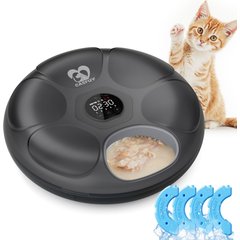
- Create a consistent schedule. Give your cat their meals at roughly the same time each day; an automatic feeder can help when you’re busy. Scheduled feeding (rather than keeping food available all the time) makes it easier to monitor food intake and catch potential health problems early.
Recommended Product
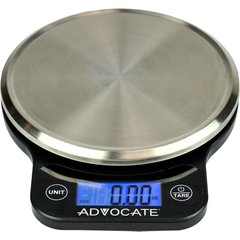
- Measure portions carefully. Use a measuring cup or small household scale to ensure accurate portions. Overfeeding cats is very common, and can lead to obesity and related health problems.
Recommended Product
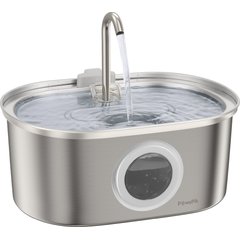
- Provide fresh water at all times. Place multiple water bowls around your home and clean them daily. Some cats prefer running water, so consider a cat water fountain.
Recommended Product
- Feed cats separately in multi-cat households. This prevents food stealing, reduces competition stress, and allows you to monitor each cat’s intake. Microchip– or Radio Frequency Identification (RFID)–enabled feeders can help.
Recommended Product

- Monitor your cat’s body condition regularly. Weigh your cat monthly using a small digital pet scale, and adjust their food portions as needed to maintain a healthy weight.
Recommended Product

- Don’t leave wet or fresh food out for extended periods. Discard uneaten food after an hour to prevent spoilage and bacterial growth.
- Transition foods gradually. When changing diets, mix increasing amounts of the new food with decreasing amounts of the old food over seven to 10 days to prevent digestive upset.
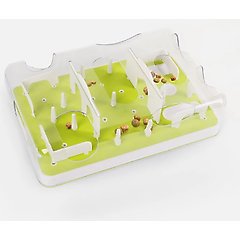
- Make mealtime enriching. Consider using a puzzle feeder or hiding small portions of food or treats around the house to stimulate your cat’s natural hunting instincts.
Recommended Product
FAQs About Cat Diets
What do cats like to eat?
Cats prefer foods rich in animal protein with strong aromas. The high moisture content and strong smell of wet food typically make it more appealing than dry kibble, especially when the wet food is served at room temperature.
Which nutrients does my cat need daily?
Cats need protein containing essential amino acids such as taurine and arginine; fats that provide essential fatty acids such as linoleic and arachidonic acid; and appropriate amounts of vitamins and minerals, including preformed vitamin A, vitamin D, calcium, and phosphorus. Nutritional needs vary by life stage and health status.
For most cats, the safest way to meet these needs is to feed a commercial diet labeled “complete and balanced” for their life stage. Do not add supplements or feed a homemade diet unless your veterinarian or a veterinary nutritionist recommends it.
Should you free-feed your cat?
Free-feeding is generally not recommended. While convenient, it makes monitoring food intake difficult, often leads to obesity, and can mask early signs of illness. Cats who need to gain weight may benefit from free-feeding, however.
How do I change my cat’s food?
Gradually transition over seven to 10 days by mixing increasing amounts of new food with decreasing amounts of old food. If your cat develops digestive upset, go back to the old food for a few days, then try transitioning even more slowly.
Should I put my cat on a special diet?
Therapeutic diets are formulated to manage medical conditions like kidney disease, diabetes, or food allergies, and should only be used under veterinary guidance. If your cat is healthy, look for a high-quality commercial diet that meets or exceeds AAFCO standards.
Can I feed my cat a vegetarian or vegan diet?
No, cats should not be fed vegetarian or vegan diets. Cats are obligate carnivores with nutritional requirements that can only be met through animal-based ingredients. Plant-based diets can lead to serious nutritional deficiencies, poor health, and even death.