Apple Cider Vinegar for Cats: What You Need to Know


Photo by Evgenia Moskova/iStock/Getty Images Plus
Apple cider vinegar, or ACV, is made from fermented apple juice. It’s popular with people as a kind of cure-all for all sorts of conditions—and this enthusiasm has carried over into the pet community. Online, ACV is recommended for all sorts of feline conditions, including flea control, itch relief, ear cleaning, urinary health, digestive support, and all-around wellness. Unfortunately, almost none of these claims can be proven, and there are good reasons to be careful about using ACV on your cat.
Read to find out what ACV can really do for cats and what vets recommend.
Key Takeaways
- Apple cider vinegar is made from fermented apple juice and is used in people for a variety of potential benefits.
- Although apple cider vinegar is talked about as a natural flea repellent, it doesn’t kill fleas and it’s not recommended as a reliable repellent.
- Giving apple cider vinegar by mouth may cause vomiting, diarrhea, drooling, or appetite loss.
- If apple cider vinegar is applied to a cat’s skin, it can cause can irritation. It also shouldn’t be put into a cat's ears.
Can Cats Be Given Apple Cider Vinegar?
Cats should not be given apple cider vinegar unless a vet recommends it. It is acidic and strong-smelling, and most cats are sensitive to offensive odors and tastes.
If your cat has fleas, itchy skin, ear debris, vomiting, diarrhea, or appetite changes, apple cider vinegar should not be used as a natural health fix. Problems such as parasites, infections, allergies, digestive issues, and other conditions can cause symptoms that are similar to other issues, so veterinary guidance is required to diagnose the actual problem and start a targeted care plan.
How Does Apple Cider Vinegar Work in Cats?
Apple cider vinegar contains acetic acid, which gives vinegar its sharp smell and acidity. Although its pungent odor may lend mild repellent properties, it doesn’t provide reliable flea prevention. Despite claims as a natural flea treatment, it also doesn’t kill fleas that are already on a cat.
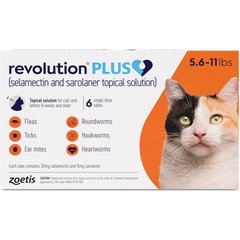
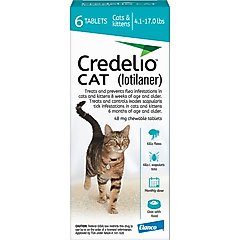
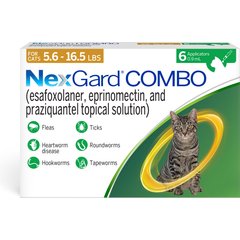
Instead of using ACV, talk to your veterinarian about a safe, proven flea prevention plan. There are many veterinary-approved products that reliably kill and repel fleas. Apple cider vinegar isn’t one of them.
There isn’t solid evidence to support using apple cider vinegar for cats. Claims about flea control, digestive support, or benefits for the skin or ears aren’t backed up by proven research and in many cases, the risk of irritation outweighs any benefits.
Recommended Products
Side Effects of Apple Cider Vinegar in Cats
Possible side effects after oral exposure to ACV include:
- Drooling
- Vomiting
- Diarrhea
- Appetite loss
If apple cider vinegar is applied to your cat’s skin, it can cause irritation, especially if the skin is already inflamed or broken. If your cat licks ACV off of their skin, the strong taste and odor can cause drooling and digestive upset.
Although apple cider vinegar is also sometimes mentioned as a possible product for ear infections, it should never be put into a cat’s ear canal. If your cat has signs of an ear problem, such as odor, scratching, head shaking, or discharge, they should be checked by a veterinarian. Ear problems can be painful and the right diagnosis is needed so effective treatment can be provided.
How to Give Your Cat Apple Cider Vinegar
Don’t give apple cider vinegar to your cat unless your veterinarian specifically tells you to. If a product, recipe, or online tip suggests using it for fleas, ear or skin problems, or digestive support, ask your vet for a safer plan instead.
What to Do If Your Cat Takes Too Much Apple Cider Vinegar
If your cat drinks apple cider vinegar, licks it from their skin, gets it in their eyes, or seems uncomfortable after exposure, call your veterinarian, an emergency hospital, or the Pet Poison Helpline (855-764-7661) right away. Keep the product label nearby so you can tell the vet or the poison expert exactly what your cat ingested.
FAQs About Apple Cider Vinegar for Cats
Does apple cider vinegar kill fleas on cats?
No. Apple cider vinegar doesn’t kill or reliably repel fleas, so it shouldn’t be applied to your cat’s skin or fur. A safe, veterinarian-approved plan is needed to prevent or treat a flea infestation.
Can I spray apple cider vinegar on my cat?
Don’t spray it on your cat unless your veterinarian specifically recommends it. It can irritate your cat’s skin and they can swallow it as they groom their fur.
Can apple cider vinegar go in a cat’s ears?
No. Apple cider vinegar shouldn’t be put into a cat’s ear canal. Symptoms of ear problems should be checked by a veterinarian.
Is apple cider vinegar safe for cats to drink?
ACV isn’t a routine supplement for cats and can cause digestive upset, so you shouldn’t give it without veterinary guidance.
Attributions
This article was created with assistance from AI tools. The content has been reviewed for accuracy and edited by a human.
References
- Morrison BJ. Does Apple Cider Vinegar Kill Fleas? PetMD. Published April 29, 2024. Accessed May 12, 2026. https://www.petmd.com/dog/general-health/does-apple-cider-vinegar-kill-fleas