Stomatitis in Cats: Signs, Causes, and Treatment

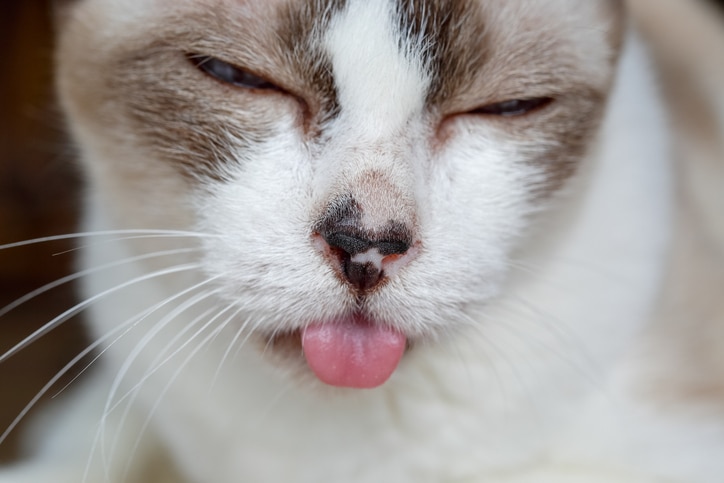
Photo by Toa55/iStock/Getty Images Plus
Many cats get stinky breath from time to time—especially after eating strong-smelling foods like seafood-based meals. But if your cat has bad breath that persists with drooling and other symptoms, it’s time to call the vet.
While bad breath, red gums, and inflammation may point to dental disease, it could also be a more serious condition called stomatitis.
This condition can be very painful for our feline friends, so seek treatment ASAP.
Key Takeaways
- Stomatitis in cats is a painful inflammation of the mouth.
- Symptoms of stomatitis include mouth sores, difficulty eating, drooling, weight loss, bad breath, swollen gums, and increased vocalization.
- Stomatitis in cats is often linked to a weakened immune system. Cats with FeLV, FIV, or calicivirus are more likely to get stomatitis.
- Treatment commonly involves tooth extraction along with medications to help pain and inflammation.
- Head to the vet ASAP, as stomatitis can worsen over time and significantly impact a cat’s quality of life.
What Is Stomatitis in Cats?
Feline stomatitis is the severe inflammation of your cat’s mouth. The inflammation worsens over time and affects the mucosa (the pink parts of the mouth), especially at the gumline and in the back.
Stomatitis is relatively common in cats but can cause significant pain and discomfort, so urgent treatment is a must.
Some cats are at an increased risk for stomatitis due to underlying health conditions or weakened immune systems. Infections, such as feline herpesvirus, feline calicivirus, FeLV, and FIV, are associated with feline stomatitis. However, not all cats with these infections will get stomatitis and not all cats with stomatitis have an underlying viral infection.
Signs of Stomatitis in Cats
Symptoms of stomatitis in cats are the result of severe pain and inflammation in the mouth.
Look out for these signs in your cat:
- Mouth sores
- Swollen gums
- Excessive drooling
- Increased vocalizations
- Bad breath
- Difficulty swallowing or opening the mouth
- Decreased appetite
- Weight loss
- Swollen lymph nodes under the chin
Causes of Stomatitis in Cats
The exact cause of stomatitis in cats is unknown. However, it’s thought to be linked to a weakened immune system.
Stomatitis in cats may be triggered by:
- Severe dental disease
- Insufficient immune response to plaque buildup
- Kidney failure
- Toxin or chemical ingestion
- Chronic viral infections, such as FeLV or FIV
How Vets Diagnose Stomatitis in Cats
A veterinarian will begin with a physical exam to give your cat’s mouth a good look. If your cat’s mouth is particularly painful, your vet may need to sedate them first.
If stomatitis is suspected, a veterinarian will perform diagnostic testing, which may include:
- Blood work: Blood work can check for kidney disease, toxin or chemical exposure, FeLV, FIV, and other health markers.
- Biopsy: In some cases, a sample of affected mouth tissue can be removed and sent to a laboratory to identify chronic inflammation and rule out other causes, such as cancer.
- Virus isolation: A veterinarian will collect a mouth swab to send to a lab to see if certain viruses, such as herpesvirus or calicivirus, are present.
- Dental X-rays: X-rays can determine the extent of disease and rule out underlying problems, such as fractures or tooth resorption.
Treatment for Stomatitis in Cats
The most common treatment for stomatitis in cats is surgery to remove some or all of your cat’s teeth. Plaque can no longer build up and contribute to inflammation once your cat’s teeth are removed.
After surgery, your veterinarian can focus on managing your cat’s pain and inflammation. Treatment options may include:
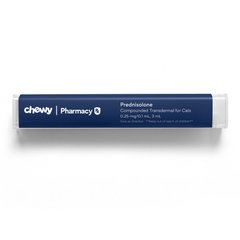
- Injectable or transdermal steroids such as prednisolone
Recommended Product
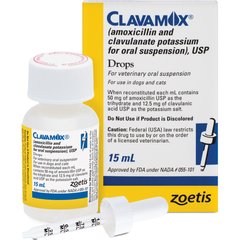
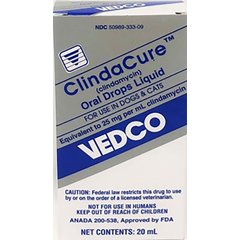
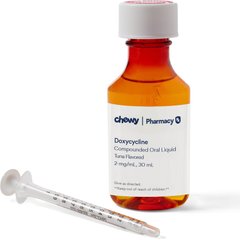
- Antibiotics such as Clavamox, clindamycin, or doxycycline
Recommended Products
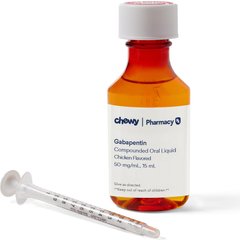
- Pain medications such as Onsior, gabapentin, or buprenorphine
Recommended Products

- Dietary changes, such as switching to canned food
Recommended Product

- Feeding tubes for nutritional support (in severe cases)
- Laser therapy to reduce pain and inflammation
In a 2020 study, about 52% of cats with severe stomatitis were cured or had significant improvement in symptoms a little more than a month after surgery. However, cats may need up to five months of oral medications after their teeth are extracted to fully resolve their mouth inflammation.
If a cat is not a candidate for surgery, your veterinarian may recommend managing their condition with medications alone. However, inflammation may continue to progress, leading to a poorer prognosis.
How To Help Your Cat Recover at Home
While your cat’s recovering at home, focus on keeping them as comfortable and stress-free as possible.
To support your cat’s recovery:
- Switch to wet food to reduce pain while eating and to encourage appetite.
Recommended Products


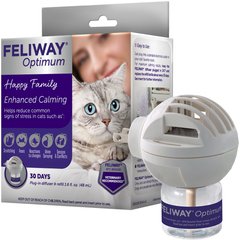
- Create a private, quiet space for rest with a calming diffuser and a soft bed.
Recommended Products


- Continue giving all prescribed medications as directed.
- Follow up with your vet for ongoing care and monitoring.
How To Prevent Stomatitis in Cats
Stomatitis is not always preventable, but pet parents can take steps to reduce their cat’s risk.
Make sure your cat gets:
- Daily tooth brushing: Use a cat-specific toothbrush and toothpaste to brush your cat’s teeth and remove plaque.
Recommended Products


- Professional dental cleanings: Get your cat a pro cleaning at the vet once or twice a year to remove tartar.
- Care for underlying health conditions: If your cat is has an underlying health condition, such as a viral infection or chronic kidney disease, stay on top of care to reduce the risk of secondary complications like stomatitis.
- Routine checkups: Don’t skip your regular appointments! Bring your cat to the veterinarian at least once a year (twice a year for seniors) for a thorough checkup.
FAQs About Stomatitis in Cats
How long do cats with stomatitis live?
If their condition is treated early, cats with stomatitis can have a normal lifespan. However, if left untreated, stomatitis in cats is fatal—so prompt care is essential.
What are the first signs of stomatitis in cats?
The first signs of stomatitis in cats are usually dropping food, excessive drooling, and red, swollen gums. Cat mouth sores may also be present.
Do all cats with stomatitis have FIV?
No, not all cats with stomatitis have FIV. However, cats with FIV are more likely to develop stomatitis due to their weaker immune systems and inflammation throughout the body.
What is the fastest way to cure stomatitis in cats?
Stomatitis requires urgent veterinary care. The fastest way to cure stomatitis is for your veterinarian to remove all teeth from a cat’s mouth during surgery. In doing so, plaque can’t stick to teeth and trigger an inflammatory response.