Is Your Cat in Heat? What To Expect and How To Help

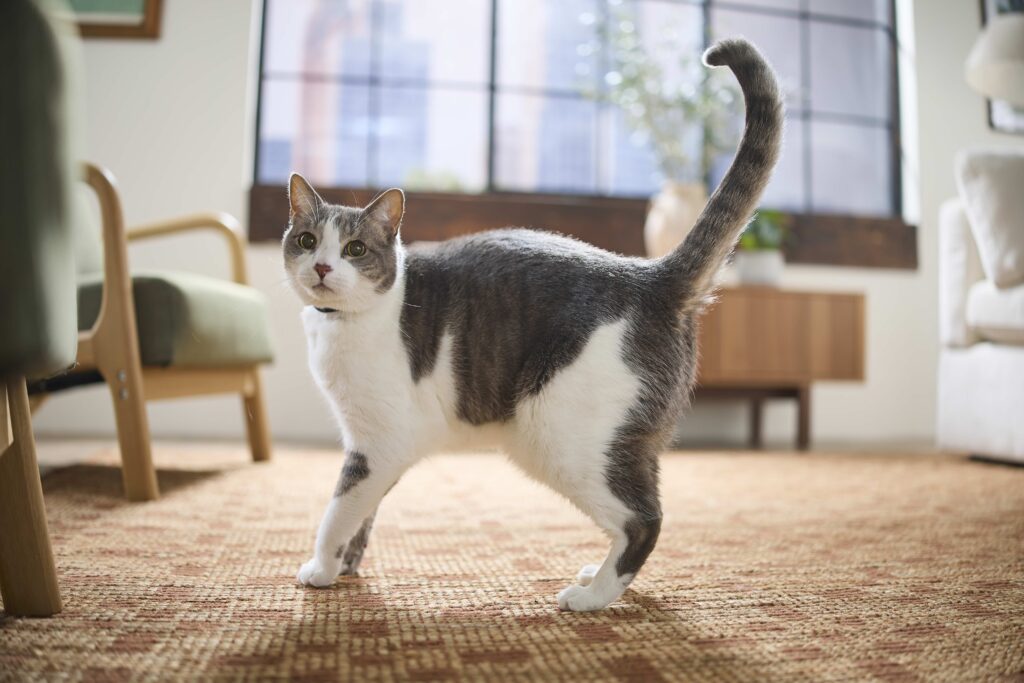
Photo by Chewy
If your female cat is vocalizing loudly, rubbing against furniture, or rolling on the floor in unusual ways, you may be wondering what’s causing these behaviors.
If your cat’s not spayed, she may be in heat—a normal reproductive cycle that occurs after she reaches puberty.
Here’s everything to know about a cats heat, including common signs and how to best support her during this time.
Key Takeaways
- A cat in heat is an unspayed female who’s reached puberty and can become pregnant.
- Cats can go into heat as early as 4–6 months old and may cycle every two to three weeks, especially indoors.
- You might notice loud meowing, extra affection, restlessness, or attempts to sneak outside.
- Most heat cycles last a few days to about a week, though it can vary from cat to cat.
- Spaying your cat is the best way to prevent heat cycles and helps support a longer, healthier life.
What Is a Cat in Heat?
A cat in heat is an unspayed female cat who has reached puberty and is able to have kittens.
A heat cycle—also called the estrous cycle—is a recurring reproductive cycle made up of several stages that prepare the body for mating.
Stages of a Cat’s Heat Cycle
A cat’s heat cycle has five stages, each with different hormonal and behavioral changes:
- Anestrus: This is when the cat is not actively in heat due to the season. This lasts about two to three months of the year—usually late November to early February for outdoor cats. Not all cats will enter this cycle, especially if they live in warmer climates or if they live indoors.
- Proestrus: In this stage, a cat’s hormones begin shifting and she starts experiencing subtle symptoms of heat. It last one to two days.
- Estrus: This is the stage where a female cat can become pregnant. She experiences significant behavioral symptoms, which are meant to attract a male.
- Interestrus: If a cat does not mate during estrus, her body resets before beginning another heat cycle. There are no behavioral symptoms during this stage, and it can last up to three weeks.
- Diestrus: If a cat has mated, her body prepares for pregnancy by increasing hormones. This stage can last up to two months. If no pregnancy occurs after mating, the cat will restart her cycle.
Signs Your Cat Is in Heat
You may notice the following signs if your cat is in heat:
- Increased vocalizations, such as loud meowing or yowling
- Rubbing their body against people or furniture
- Restlessness or trying to escape
- Frequent grooming of private parts
- Urine marking to spread pheromones
- Bowing posture
- Rolling on the floor
- Decreased appetite due to hormonal fluctuations
When Do Cats Go Into Heat?
Cats generally have their first heat cycle around 6 months of age; however, some cats can go into heat as early as 4 months or as late as 12 months.
A few factors determine timing, including:
- Warmer temperatures and longer daylight hours: They can support hormonal changes needed for breeding.
- Body weight: Cats who have grown to about 80% of their adult size enter estrus earlier.
- High-quality nutrition: Proper nutrition and fat stores are needed to support pregnancy.
- Breed: Shorthaired breeds enter estrus earlier than longhaired breeds.
How Often Do Cats Go Into Heat?
Cats can enter heat every two to three weeks, which is part of why it’s important to spay your cat.
Because indoor environments often have consistent lighting and warmer temperatures, indoor cats may cycle year-round—not a very comfortable situation for them.
Outdoor cats are more likely to follow a seasonal breeding pattern, typically from February to November, with peak activity in the spring and summer when the days are longer and temperatures are warmer. Cats in tropical climates, however, may go into heat year-round.
How Long Are Cats in Heat?
On average, cats are in heat between two to nine days, though heat can sometimes last up to three weeks. The exact amount of time depends on several factors, including:
- Pregnancy: If a cat mates and becomes pregnant, heat will end more quickly.
- Age: Cats who are younger tend to have less predictable lengths of heat compared with mature cats whose heat may be shorter due to hormonal shifts.
- Breed: Some cat breeds, such as the Siamese Cat, stay in heat longer because they are more sensitive to hormonal changes.
How To Comfort a Cat in Heat
A heat cycle can be an uncomfortable time for your cat due to hormonal changes and behaviors like restlessness. This can increase stress in your cat, so it’s important to support them during this time.
To keep your cat comfortable during heat:
Recommended Products

- Give her extra affection and a comfort object, such as a soft toy.
Recommended Product

- Provide her extra playtime with laser pointers or feather wands.
Recommended Products


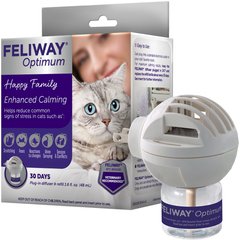
- Consider using a calming diffuser in her resting area to help reduce stress.
Recommended Product
When To Take Your Cat in Heat to the Vet
Generally, cats do fine with home care when in heat. However, there are some instances where you should head straight to the vet:
- Refusal to eat for 24 hours, which can increase risk for developing fatty liver or low blood sugar
- Abnormal vaginal discharge, such as bleeding or strong-smelling discharge
- Possible mating, which requires an evaluation to look for signs of pregnancy
- Prolonged heat cycle, which may point to underlying health issues such as ovarian tumors
- Self-destructive behaviors, such as excessive grooming to the point of skin irritation and hair loss, or trying to hurt herself to escape your home to find a mate
How To Prevent Cats From Going Into Heat
The best way to prevent a cat from going into heat is to spay her.
Spaying is recommended for all healthy cats around 4 to 6 months of age before their first heat cycle.
If your cat has an underlying health issue or anesthesia risk factors, your veterinarian can provide guidance as to whether spaying is right for your cat.
However, there are many benefits to spaying your cat, including:
- Preventing unwanted pregnancies
- Avoiding behavioral changes associated with heat cycles
- Reducing behavioral issues, such as urine marking
- Reducing risk for mammary cancer
- Eliminating ovarian and uterine cancers
- Removing risk for uterine infections (pyometra)
- Supporting a longer, healthier life (studies have shown that spayed cats generally live longer than unspayed cat)
FAQs About Cats in Heat
Can cats have periods?
No. Cats do not have periods, but they have estrus cycles. If you notice any bleeding during your cat’s heat cycle, call your veterinarian immediately.
Can you touch a cat in heat?
Yes, you can touch a cat in heat. You should offer your cat extra attention and comfort if she’s in heat.
How long do cats yowl when in heat?
Cats yowl anywhere from one day to three weeks when they’re in heat.
What scents calm a cat in heat?
Familiar scents as well as herbal smells, such as catnip, can calm a cat in heat. Adding a calming diffuser to your cat’s resting spot can also reduce stress and anxiety.
Do cats in heat need diapers?
No, cats in heat do not need diapers. If your cat in heat needs a diaper for any reason, see a veterinarian.
How can you tell when a cat’s heat cycle is over?
Your cat’s normal calm behaviors and appetite will return when the heat cycle is complete.