Can Dogs Eat Marshmallows?


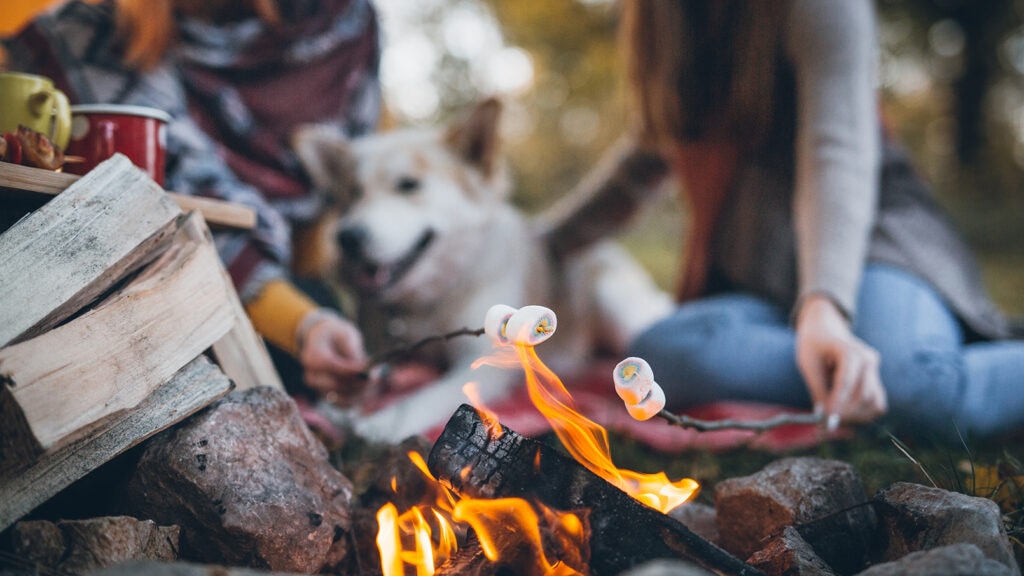
Photo by hobo_018/iStock/Getty Images Plus via Getty Images
Marshmallows look harmless, which is exactly why people end up second-guessing them as a dog treat. So, can dogs eat marshmallows?
No. A plain marshmallow is unlikely to be the most toxic thing in the pantry, but it’s still not a treat worth sharing with your dog.
Most marshmallows are basically sugar with very little nutritional value, and sugar-free versions can be far more dangerous if they contain xylitol. Marshmallows also show up in desserts with chocolate and other rich ingredients dogs should avoid.
If your dog ate sugar-free marshmallows, call your veterinarian right away.
Key Takeaways
- Marshmallows are not a good dog treat.
- Sugar and empty calories are the main problem in regular marshmallows.
- Sugar-free marshmallows may contain xylitol, which causes an emergency for dogs.
- Chocolate-covered or dessert-style marshmallows are even riskier.

Can Dogs Have Marshmallows?
No, dogs should not have marshmallows as a regular treat.
A tiny, plain marshmallow is less concerning than a whole bag, but it is still just candy. Once you get into flavored marshmallows, chocolate-dipped versions, or sugar-free products, the risks go up quickly.
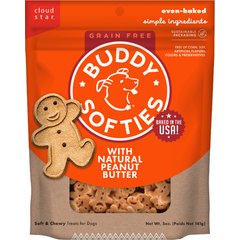
If you want something soft and fun to share instead, a few dog treats include:
Recommended Products


Why Are Marshmallows Bad for Dogs?
Marshmallows are a poor fit for dogs for a few different reasons.
- Too much sugar: Candy adds calories fast and can lead to stomach upset.
- Empty calories: Marshmallows offer almost nothing useful nutritionally.
- Xylitol risk: Sugar-free candies can cause an emergency if they contain xylitol.
- Chocolate and dessert add-ins: S’mores ingredients, coatings, and fillings make marshmallows riskier.
- Sticky texture: Large, gooey bites can be messy and uncomfortable for some dogs to swallow.
My Dog Ate Marshmallows—What Do I Do?
What you should do next depends on the ingredients and how much your dog ate.
Watch for signs such as:
Call your veterinarian if:
- The marshmallows were sugar-free
- They were chocolate-covered or part of s’mores
- Your dog ate a large amount
- Your dog is very small or already has digestive issues
If your dog is vomiting or has diarrhea after eating marshmallows, watch for signs of dehydration in dogs.
How Do Vets Help After a Dog Eats Marshmallows?
Treatment depends on what was in the marshmallows and how your dog is doing.
- For mild stomach upset: Your vet may recommend monitoring, fluids, and a bland diet.
- For xylitol exposure: Treatment may include emergency blood sugar monitoring, intravenous sugar (dextrose), and hospitalization. Read more about xylitol poisoning in dogs.
- For chocolate exposure: Your vet may recommend decontamination (with activated charcoal), monitoring, and supportive care.
- For large candy amounts: Your dog may need help to relieve their symptoms and dehydration if the sugar load triggers repeated vomiting or diarrhea.
How Can I Prevent My Dog From Eating Marshmallows?
The easiest way to avoid a marshmallow mishap is to treat them like any other off-limits candy.
- Keep candy bags and baking supplies out of reach.
- Don’t leave s’mores ingredients on low tables or counters.
- Throw away wrappers promptly.
- Ask kids not to share marshmallows with the dog.
- Check ingredient labels on sugar-free products.
FAQs About Dogs and Marshmallows
Can dogs eat one marshmallow?
One plain marshmallow is unlikely to cause a major problem for most dogs, but it is still not a treat worth making a habit.
Can dogs eat mini marshmallows?
No, mini marshmallows are still candy and bring the same sugar concerns as regular marshmallows.
Are sugar-free marshmallows dangerous for dogs?
Yes, sugar-free marshmallows may contain xylitol, which causes an emergency for dogs.
Are marshmallows worse in s’mores?
Yes. Once chocolate and graham crackers are involved, the overall risk goes up.
Attributions
This article was created with assistance from AI tools. The content has been reviewed for accuracy and edited by a human.