Can Dogs Eat Beef Jerky?


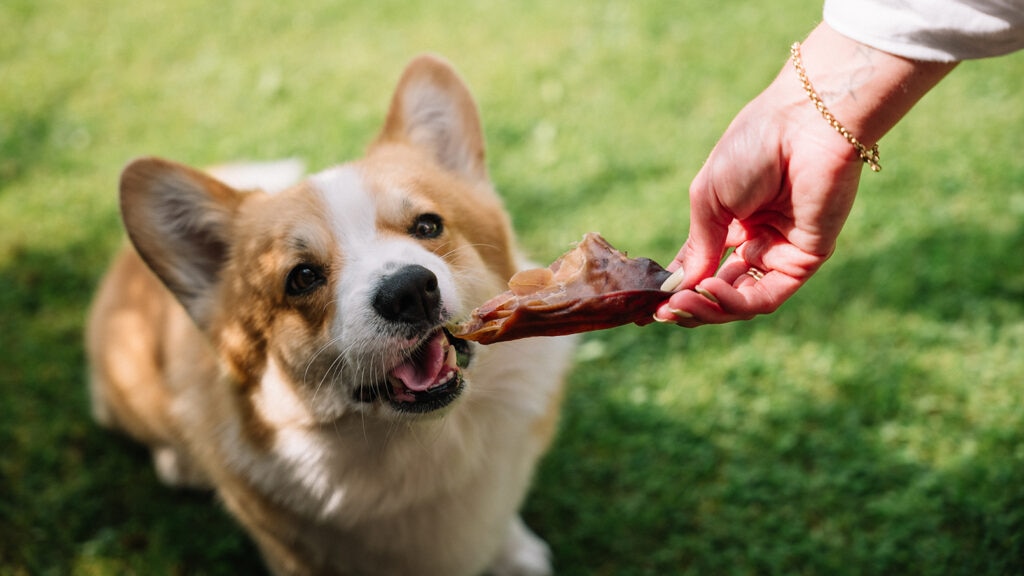
Photo by mirina/iStock/Getty Images Plus via Getty Images
That bag of beef jerky doesn’t stay yours for long—your dog is already sniffing, staring, and hoping for a bite. But can dogs eat beef jerky?
In most cases, it’s best to skip it. Most beef jerky made for people is too salty, heavily seasoned, and tough to be a safe treat. Ingredients like garlic and onion powder can be harmful, and even plain jerky can be rich enough to cause stomach upset or chewy enough to turn into a choking issue—especially for dogs who gulp treats too quickly.
If your dog ate a large amount of beef jerky or jerky made with garlic, onion, or spicy seasonings, call your veterinarian for guidance.
Key Takeaways
- Beef jerky is not a good treat for dogs, especially varieties made for people.
- Human jerky can be high in salt and may contain garlic, onion, spices, or sugary marinades that are unsafe for dogs.
- Tough jerky strips can be hard to chew and may become a choking hazard for enthusiastic eaters.
- Dog jerky treats made specifically for pets are a safer option than beef jerky made for people.
Can Dogs Have Beef Jerky?
No, dogs shouldn’t eat beef jerky made for people.
The meat itself isn’t the issue. The problem is that most beef jerky for people is cured, seasoned, and loaded with sodium. Some varieties also contain garlic or onion, which aren’t safe for dogs.
On top of that, jerky can be chewy enough to cause trouble for dogs who gulp treats without really chewing them.
If your dog loves jerky-style treats, look for options made specifically for dogs, which are lower in sodium and free from harmful seasonings. A few favorites include:
Recommended Products


Why Is Beef Jerky Bad for Dogs?
Beef jerky for people is not a good choice for dogs for several reasons:
- Too much salt: High-sodium snacks can make dogs sick, and too much salt is especially risky for dogs with kidney or heart issues. Saltier foods can also leave dogs extra thirsty and more prone to stomach upset.
- Garlic and onion powder: These common jerky seasonings are not safe for dogs. Even if they’re not the main ingredient, they can still make a human snack the wrong choice for your pup.
- Too much fat: Rich meat snacks can be rough on the stomach and may be a problem for dogs with a history of pancreatitis in dogs.
- Tough texture: Thick jerky strips can become a choking risk, especially for enthusiastic eaters. Dogs that swallow treats quickly may have trouble breaking a chewy strip down into safe bites.
- Spicy or sweet marinades: Added spices, smoke flavoring, and sugary sauces can all make jerky harder on your dog’s system and more likely to cause digestive upset.
My Dog Ate Beef Jerky—What Do I Do?
If your dog snagged a small piece of plain jerky, they’ll likely be OK. What matters most is how much they ate, what was in it, and whether they chewed it or gulped it down.
Keep an eye out for:
- Vomiting
- Diarrhea
- Excessive thirst or pacing
- Belly discomfort (whining, restlessness, or a tucked abdomen)
- Gagging or trouble swallowing
Call your veterinarian if:
- Your dog ate a large amount
- The jerky contained garlic, onion, or spicy seasoning
- Your dog seems painful or unusually tired
- Your dog is gagging, coughing, or having trouble swallowing
- Vomiting or diarrhea keeps going
- Your dog is very small, a puppy, or has underlying health issues
If your dog develops vomiting or diarrhea after eating jerky, dehydration can set in quickly—watch for signs of dehydration in dogs like dry or tacky gums, sunken-looking eyes, or skin that stays tented for a second or two when gently lifted.
How Do Vets Help After a Dog Eats Beef Jerky?
Treatment depends on what your dog ate, how much they ate, and how they are feeling.
- For mild stomach upset: Your vet may recommend monitoring, fluids, anti-nausea medication, and a bland diet.
- For extra-salty or heavily seasoned jerky: Your vet may want to monitor hydration and electrolytes more closely, especially if your dog is vomiting, has diarrhea, or is drinking a lot more than usual.
- For choking concerns: If a large strip seems stuck or your dog cannot swallow comfortably, treatment may include sedation, imaging, or removal of the material. Learn more about choking in dogs.
- For ongoing vomiting or diarrhea: Your dog may need extra support to correct dehydration and help settle the digestive tract.
How Can I Prevent My Dog From Eating Beef Jerky?
The easiest way to avoid a jerky mishap is to treat it like any other human snack your dog should not help themselves to.
- Keep jerky bags zipped and out of reach.
- Don’t leave snack bags in backpacks or car consoles.
- Ask guests not to share bites from their own snacks.
- Offer dog-safe jerky treats instead of jerky treats for people.
- Read labels carefully on smoked meat snacks and protein sticks.
FAQs About Beef Jerky for Dogs
Can dogs eat beef sticks or jerky?
No, jerky or beef sticks made for people are often too salty and tough for dogs.
Can dogs eat teriyaki beef jerky?
No. Teriyaki jerky is usually too salty and often contains garlic, onion, sugar, or other seasonings dogs should avoid.
Can dogs eat dog jerky treats?
Yes, if they’re made specifically for dogs and fed as directed. Dog jerky treats are a much better option than jerky for people.
Are high-sodium snacks bad for dogs?
Yes. Salty snacks like jerky for people can upset your dog’s stomach and add far more sodium than a dog treat should.
Can beef jerky make dogs sick?
Yes. Beef jerky for people can lead to stomach upset, too much sodium intake, or choking, depending on the product and the amount eaten.
Attributions
This article was created with assistance from AI tools. The content has been reviewed for accuracy and edited by a human.