Neutering in Dogs: When To Do It, Benefits, and What to Expect

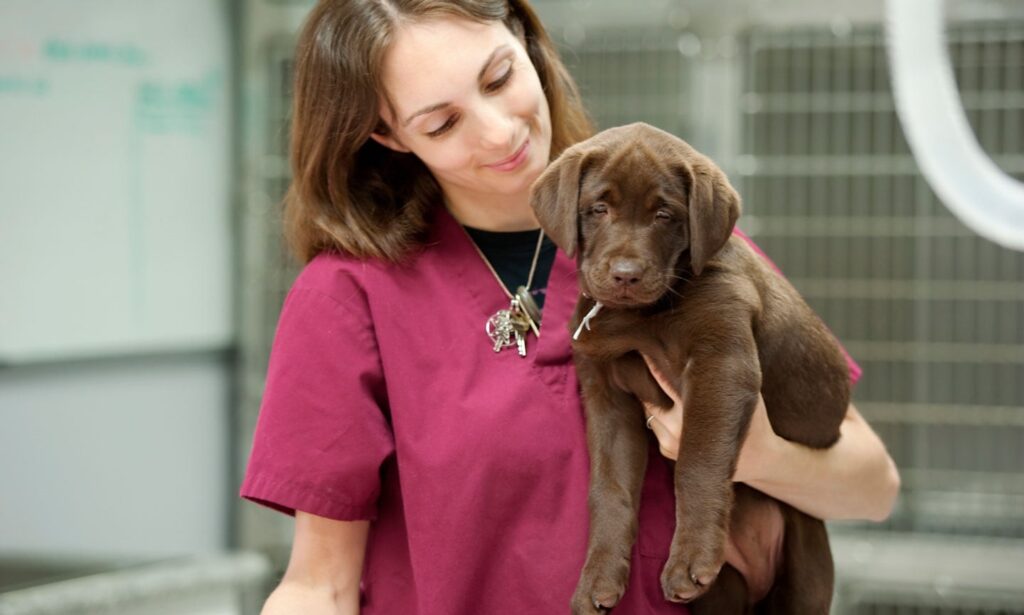
Photo by iStock.com/aspenrock
Every good dog parent wants to know how to give their pup a long, happy and healthy life—and that usually starts when they are a puppy. Throughout those early days of teething, crate-training and learning how much to feed your growing puppy, there usually comes a time when a veterinarian will bring up the option of neutering in dogs.
Whether or not to neuter your dog can be one of the first decisions a pet parent has to make, but it’s important to know all the facts. Here’s everything you need to know about dog neutering, including what this surgical procedure entails, benefits of neutering a dog, costs involved, and the healing, recovery, and post-operative care required.
Key Takeaways
- Neutering prevents male dogs from reproducing and can reduce the risk of testicular cancer, prostate disease, and some tumors.
- The right time to neuter depends on your dog’s size, breed, behavior, and health, so ask your veterinarian about timing.
- Dog neutering may reduce roaming, urine marking, and mounting, but it won’t necessarily make every dog calmer.
- After surgery, keep your dog calm and limit activity for 10 to 14 days while following your veterinarian’s aftercare instructions.
What Is Neutering?
“Also known as castration, neutering means removing the testicles in male dogs in order to make them reproductively ineffective,” says Dr. Ivana Crnec, DVM, of Veterinarians.org. “Today, with the advances in veterinary medicine, neutering is considered a routine procedure.”
As Dr. Crnec points out, neutering is an extremely common procedure for dogs, with the American Kennel Club (AKC) estimating 80 percent of U.S. dogs to be fixed—either neutered or spayed depending on the dog’s sex.
When Are Dogs Neutered?
While it is most common to neuter male dogs between 6 months and 2 years of age, size of the dog, breed, behavior, and other considerations may cause your veterinarian to recommend an early or delayed neuter procedure. For some large-breed dogs, for example, vets recommend that the procedure is done later, when the puppy is older so that the testosterone has more time to help with bone and joint growth and development.
“Neutering is not age-limited and can be done much later in life,” Dr. Crnec says. “For example, a dog used in breeding programs can be neutered once they leave the program, or a stray dog can be neutered when homed or placed at an animal shelter or foster.
Can an older dog still be neutered?
Often, an older dog can be neutered and your veterinarian will consider your dog’s overall health and the potential risks of anesthesia before making a recommendation.
Benefits of Neutering
By limiting the likelihood of pet pregnancy, dog parents can more responsibly care for their pets, and breeding can be left to AKC certified breeders with expertise.
Beyond pregnancy prevention, there are myriad reasons to neuter a dog, including health and behavioral benefits.
Other benefits of neutering include:
- Reduces the risk of testicular cancer, prostate disease and tumors
- Reduces the urgency or desire to “roam” in pursuit of females in heat, resulting in less injury due to fights or accidents (such as being hit by car)
- Can help curtail certain behavioral problems, such as urine marking, leg humping and more
All About Dog Neutering Surgery
Risks of Neutering a Dog
“The risk associated with neutering is minimal,” Dr. Crnec explains. “In fact, the anesthesia-related risk is greater than the risk associated with the procedure itself.”
Dr. Crnec adds that pet parents should “always talk to your vet regarding the overall health of the dog and whether there is a factor increasing its anesthesia risk.”
A physical examination (to check for heart murmurs or other health concerns) and pre-anesthetic bloodwork are both good ways to evaluate your pet’s overall health and determine if they can undergo anesthesia safely.
Dog Neutering Costs
The cost of a typical dog neutering procedure varies greatly, based on the geographic region and type of practice/veterinarian doing the surgery. The cost of a neutering a dog at a private practice animal hospital or veterinary clinic averages about $487, according to 2026 data collected by Care Credit.
Cost conscious pet parents may be able to find a lower-cost or free option in their area through spay/neuter clinics, with state voucher programs/assistance, or at local nonprofit organizations. Organizations like SpayUSA and the ASPCA offer searchable listings to help pet parent find low-cost spay and neuter services near them.
Traditional pet insurance only covers pet accidents and illness, so it does not typically cover neutering. However, some preventative care plans, which offer wellness coverage for routine veterinary costs, do cover the procedure. Chewy’s CarePlus, for example, offers both types of plans.
Neutering Procedure for Dogs
“In layman’s terms, neutering entails removal of the testicles, [but] medically speaking, the procedure is called orchiectomy, from the Greek word orchis, meaning testicle,” Dr. Crnec explains.
During this procedure, both testicles of an intact male dog are surgically removed, but the scrotum is typically left behind. Immediately post-surgery, it may look like a dog still has testicles due to swelling in the area and the remaining scrotum, but the scrotum should shrink over time.
Neutering Aftercare for Dogs
While post-operative complications are typically uncommon and minimal with neutering procedures, if you notice any of the following concerns, call your veterinarian immediately:
- Hemorrhage (bleeding)
- Infection
- Wound breakdown (dehiscence)
Because neutering is a surgical procedure, dogs will have to take it a little slow post-surgery.
“It is important to keep dogs calm and limit their activity for 10—14 days after the procedure,” Dr. Crnec says. That means different things for different dogs, so follow your veterinarians aftercare instructions for your specific pet.
Additional instructions will likely include taking extra care to ensure the incision is kept dry, which means “no bathing, swimming, or playing in deep snow.” Dogs may also benefit from wearing an Elizabethan collar, aka a cone collar, to protect the incision site and allow it to heal.
Find out more about how to care for dogs after neuter surgery.
Recommended Products


FAQs About Neutering a Dog
Does neutering calm a dog down?
Which behaviors might improve after neutering a dog?
Neutering may reduce roaming, urine marking, and mounting, especially if the surgery is performed before those behaviors develop in a young dog. However, neutering may not change behaviors your dog has practiced for a long time.
Spay/neuter: What’s the difference?
How long does a dog need to rest after a neuter surgery?
Most dogs need about 10–14 days of restricted activity while the incision heals. Follow your veterinarian’s aftercare instructions and contact them if you notice concerning changes to the incision.
What should I expect after a dog neuter procedure?
Looking for a veterinarian for your dog? Here’s how to find the perfect fit.
Attributions
Expert input for this story provided by Dr. Ivana Crnec, DVM, of Veterinarians.org.