7 Common Eye Problems in Senior Dogs

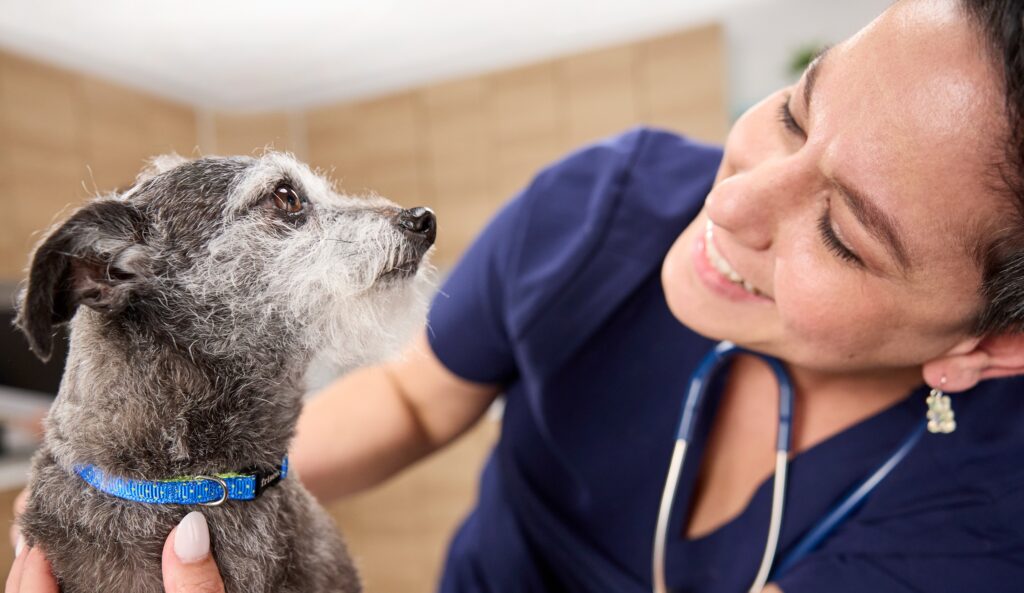
Photo by Chewy
If when spending time with your senior pup you notice they’re squinting more, experiencing eye redness, or bumping into objects, they may have an underlying eye problem. Just like people, senior dogs are more likely to develop eye issues as they age.
Because eye issues can progress and jeopardize vision, it’s important for pet parents to know what signs to watch for and when to call their vet.
Key Takeaways
- Senior dogs are more likely to develop eye issues due to age-related degeneration, increased risk for chronic health conditions, and weaker immune systems.
- Common signs of eye problems include squinting, eye discharge, eye redness, and sensitivity to light.
- Many eye conditions in senior pups. such as corneal ulcers and dry eye, are painful and can negatively impact vision. Because of this they need prompt veterinary diagnosis and treatment.
- Treatment for senior eye problems focuses on the underlying cause and commonly includes topical or oral medications and an Elizabethan collar.
Why Are Senior Dogs More Prone to Eye Problems?
As dogs age, their bodies go through many changes similar to what people experience. Senior dogs experience age-related degenerative changes within their eyes, leading to cloudiness or abnormal appearances.
Their immune systems also become weaker and their risk for underlying health issues that can lead to secondary eye problems increases. For example, dogs with diabetes often develop cataracts due to abnormal blood sugar levels.
Because seniors live longer, they are more likely to have experienced an eye injury that increases the risk for chronic eye issues.
7 Common Eye Problems in Senior Dogs
Nuclear Sclerosis
Nuclear sclerosis refers to the cloudy appearance of a senior dog’s eyes due to normal aging changes. As dogs age, the lens of their eyes become firmer, which creates this appearance. Nuclear sclerosis does not require treatment.
The most common symptoms of this condition include:
- Hazy, gray-to-white pupil appearance
- Both eyes affected equally
While nuclear sclerosis does not affect a dog’s vision, it can mimic the appearance of cataracts, which does interfere with a dog’s sight and requires treatment.
If you notice cloudiness starting to appear in your dog’s eyes, it’s important to see a veterinarian for an accurate diagnosis to differentiate the two conditions.
Cataracts
Cataracts refer to an opaque appearance in the lens of the eye. Cataracts generally form in senior dogs from an underlying health condition, such as diabetes.
The most common signs of cataracts include:
- Cloudy, opaque pupils
- One or both eyes affected
- Bumping into objects
- Nervous or skittish in new areas
- Avoidance of stairs
- Pawing at eyes
Because this condition worsens over time and can lead to blindness, see a veterinarian promptly for an accurate diagnosis.
Glaucoma
Glaucoma is when there is increased pressure within a dog’s eyes due to an underlying eye issue, such as chronic inflammation.
The most common signs of glaucoma may include:
- Bulging eyes
- Eye redness
- Dilated, hazy pupils
- Squinting
- Pawing at eyes
- Eye discharge
Glaucoma can quickly cause significant eye damage, so immediate veterinary diagnosis and treatment are critical.
Dry Eye (Keratoconjunctivitis Sicca)
Keratoconjunctivitis sicca (KCS), or dry eye, occurs from low tear production. It is generally an immune-mediated disease, meaning a dog’s immune system mistakenly attacks eye glands. However, it can also occur in connection with infections like distemper or certain medications such as trimethoprim-sulfa.
The most common symptoms may include:
- Thick, mucus-like discharge
- Eye redness
- Squinting
- Pawing at the eyes
- Dull or dry appearance of the eye
- Sensitivity to light
KCS is a painful condition for senior dogs and can lead to permanent eye damage if left untreated. If you notice any of these signs, schedule a veterinary appointment immediately.
Conjunctivitis
Conjunctivitis refers to eye inflammation, which most commonly results from a bacterial infection or allergies. Senior dogs are at increased risk for bacterial eye infections due to their weakened immune systems.
Common signs of conjunctivitis include:
- Eye redness
- Eye discharge
- Pawing at eyes
- Squinting
- Swollen conjunctiva (pink parts of eye)
- Sensitivity to light
- Visible third eyelid
Conjunctivitis is painful for dogs, so you should promptly schedule a veterinary appointment if you notice any of these signs.
Prompt treatment can prevent worsening of symptoms and reduce the risk of vision loss due to longstanding inflammation.
Corneal Ulcers
Corneal ulcers refer to scratches on the cornea, which is the clear, outer part of a dog’s eyes. These are often caused from trauma, but can also occur secondary to untreated KCS or other eye infections.
The most common signs of corneal ulcers include:
- Squinting
- Pawing at the eyes
- Watery discharge from the eyes
- Eye redness
- Cloudy eye appearance
- Visible dent on front of eye
If corneal ulcers are left untreated, permanent scars can occur and impair vision. If you think your dog has a corneal ulcer, call your veterinarian immediately.
Iris Atrophy
Iris atrophy occurs when the colored part of the dog’s eye (the iris) begins to deteriorate. This doesn’t require treatment and is considered an age-related change that results from weakened eye muscles.
Common symptoms of iris atrophy in senior dogs include:
- Sensitivity to light
- Irregularly shaped pupils
- Thinning of the iris
- Slow or absent pupil constriction
While iris atrophy is normal with aging, some signs can look similar to other more serious eye issues that do require veterinary treatment.
For this reason, if you notice the colored parts of your dog’s eyes are thinning, contact your veterinarian for a checkup at your earliest convenience.
Treatment Options for Eye Problems in Senior Dogs
Treatment for eye problems in senior dogs depends largely on the underlying cause. Treatment focuses on reducing symptoms, managing chronic conditions, and improving quality of life.
Most dogs with acute eye issues should wear a cone to prevent them from further irritating the affected eye.
The most common management options for treating eye problems in senior dogs include:
Medications
Depending on the underlying eye issue, your veterinarian may recommend one or more of the following medications to treat your senior dog’s eye issue:
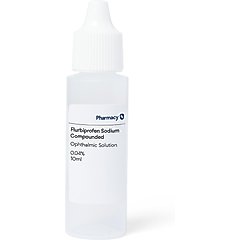
- Anti-inflammatory eye drops, such as flurbiprofen
Recommended Product
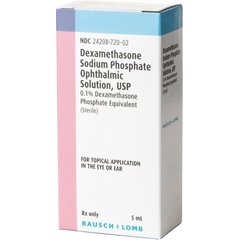
- Topical steroids, such as dexamethasone
Recommended Product
- Artificial tears, such as Optixcare Eye Lube or Eye Lube Plus
Recommended Products


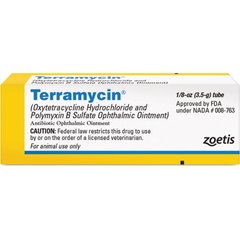
- Topical antibiotics, such as Terramycin
Recommended Product
- Topical atropine
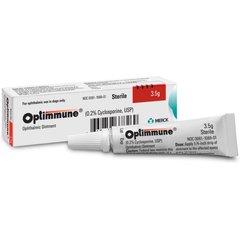
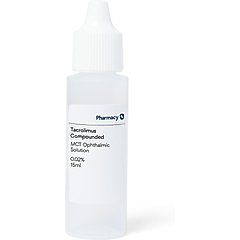
- Tear stimulants, such as cyclosporine or tacrolimus
Recommended Products
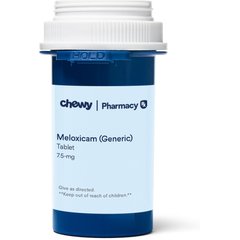
- Oral anti-inflammatories, such as meloxicam
Recommended Product
- Serum eye drops: This treatment is made by drawing a dog’s own blood and separating out the serum from the blood cells and clotting substances. This serum is put into a dropper, where it can be applied to the dog’s eyes three times a day. The serum has proteins and growth factors that promote healing, and this treatment is all-natural.
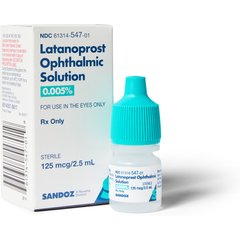
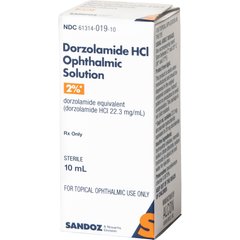
- Eye pressure reducers, such as latanoprost or dorzolamide
Recommended Products
Surgery
In some cases, surgery may be recommended:
- For cataracts, surgical removal of the cataracts is recommended to restore vision and reduce the risk for secondary complications, such as severe pain and inflammation.
- Eye removal or enucleation may be recommended for eye tumors, chronic and non-responsive eye issues, and traumatic eye injuries.
- Laser surgery and shunt placement may be done to lower eye pressure in dogs with chronic or severe glaucoma.
- Other procedures, such as grid keratotomy or grafts, can be recommended to treat chronic or severe corneal ulcers.
FAQS About Eye Problems in Senior Dogs
Is cloudiness in my senior dog’s eyes always cataracts?
Cloudy eyes in senior pets does not always mean they have cataracts. Most senior dogs will develop a cloudiness called nuclear sclerosis, which is normal with aging and does not affect vision. Booking an appointment with a veterinarian is important to differentiate between the two conditions.
How do you tell if your senior dog is going blind?
Some signs that your dog may be going blind include bumping into furniture or other objects at home, appearing nervous or skittish in new areas, and becoming startled easily.
Are eye problems painful for senior dogs?
Many eye problems are painful for senior dogs, including dry eye and corneal ulcers. Signs your dog may be experiencing painful eyes include squinting, pawing at the eyes, and eye redness.
Can senior dogs go blind from eye problems?
Yes. Blindness can occur if eye problems are left untreated. This is why prompt diagnosis and treatment are crucial if you notice any abnormalities with your senior pup’s eyes.