Can Chickens Eat Cantaloupe?


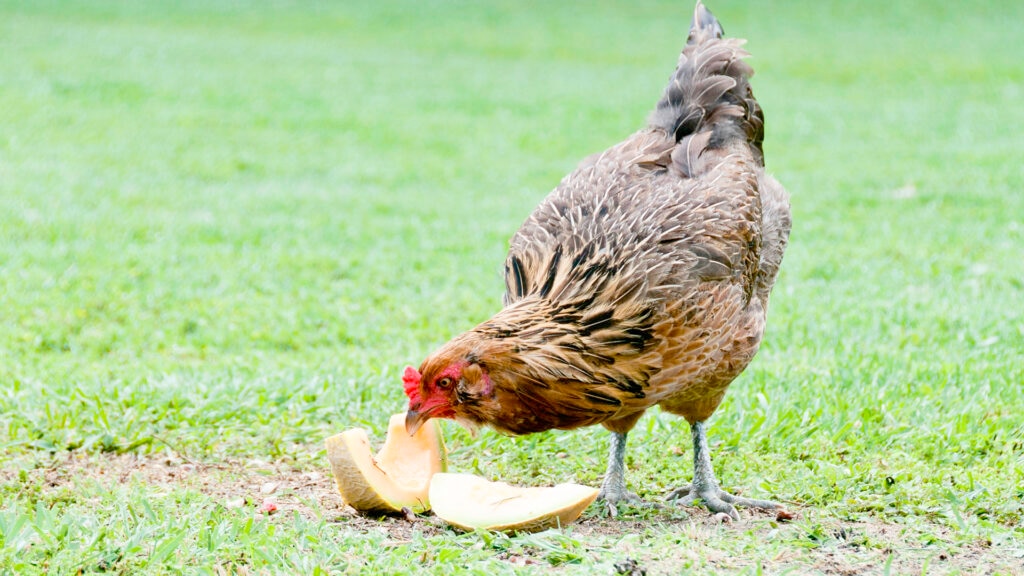
Photo by Mhuett/iStock/Getty Images Plus via Getty Images
Sweet, juicy cantaloupe is a summertime favorite, and your chickens might be just as eager to dig in. But can chickens eat cantaloupe safely?
Yes! Chickens can enjoy fresh cantaloupe as an occasional treat, but portions should stay small, and their regular chicken feed should still make up most of their diet.
Here’s what to know before sharing a slice with your flock, from the benefits to the best way to serve it.
Before introducing any new food into your chicken’s diet, always check with your veterinarian.
Key Takeaways
- Chickens can eat small amounts of fresh, plain cantaloupe as an occasional treat.
- Before your flock digs in, give the melon a good wash, remove the tough rind, and cut the flesh into bite-size pieces.
- Cantaloupe is packed with water, making it a refreshing snack, but your chickens still need plenty of fresh drinking water and their regular feed.
- Keep cantaloupe and other treats to no more than 10% of your chickens’ daily diet and pick up any leftovers before they turn into a sticky, spoiled mess.
Can Chickens Have Cantaloupe?
Chickens can happily peck away at fresh cantaloupe, just remove the tough outer rind and scoop out the seeds first.
Stick with fresh, plain melon rather than canned fruit in syrup, sweetened fruit salads, or melon that’s past its prime. Your flock will get plenty of sweetness from the fruit itself without anything added
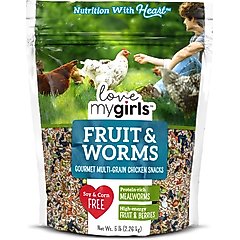
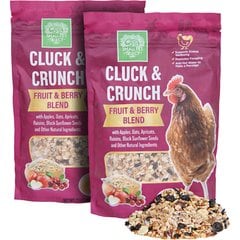
You can also switch up snack time with these fruit-filled chicken treats instead:
Recommended Products
Is Cantaloupe Good for Chickens?
While cantaloupe is no substitute for a balanced diet, a few bites can offer your flock some benefits, including:
- A little extra hydration: Cantaloupe is about 90% water, so every juicy bite adds a little moisture to your chickens’ diet. That’s especially welcome on hot days, although they’ll still need plenty of fresh drinking water.
- Vitamins and antioxidants: Cantaloupe contains beta-carotene, which chickens convert into vitamin A to support healthy growth. It also provides vitamin C, although chickens typically produce enough of this vitamin on their own.
- Something fun to peck at: Chickens love to peck and forage for food. A few pieces of juicy cantaloupe give them something different to enjoy while encouraging their natural foraging instincts.
Is Cantaloupe Bad for Chickens?
Cantaloupe is generally safe for chickens, but too much of a good thing can cause problems. Here’s where this juicy treat can get tricky:
- Too much fruit: Chickens who fill up on cantaloupe may eat less of their regular feed, leaving them short on important nutrients like protein, vitamins, and minerals.
- Digestive upset: Introducing new foods like cantaloupe can lead to watery droppings, especially if your chickens overindulge. A little change in their droppings isn’t always a cause for concern, but persistent diarrhea or other signs of illness warrant a call to your vet.
- Spoilage: Cut cantaloupe doesn’t hold up well, especially in the heat. Leftover pieces can quickly spoil and attract flies or other pests, so don’t leave them sitting around the coop or run.
The key is to keep portions small, serve fresh melon, and clean up anything your flock doesn’t finish.
How Much Cantaloupe Can Chickens Eat?
There’s no set serving size for cantaloupe, but a few small, bite-size pieces are usually plenty for an adult chicken. Start with a little if it’s their first time trying melon, and see how they tolerate it before offering more.
Remember that cantaloupe counts toward your flock’s daily treats, along with fruits, vegetables, scratch grains, and other snacks. As a general rule, treats should make up no more than 10% of your chickens’ daily diet, with the rest coming from a complete chicken feed.
How To Safely Feed Cantaloupe to Chickens
Before your flock gets their beaks into this juicy treat, a little prep will help keep snack time safe:
- Wash the outside of the cantaloupe thoroughly before slicing to avoid transferring dirt or bacteria to the flesh.
- Cut away the tough outer rind and scoop out the seeds.
- Chop the fresh flesh into small, manageable pieces, or offer a larger piece for your chickens to peck at together.
- Serve the melon in a clean dish or on a clean surface, away from dirt and droppings.
- Remove any uneaten cantaloupe promptly, especially on hot days when it can spoil quickly.
My Chicken Ate Too Much Cantaloupe–What Do I Do?
Eating a little too much cantaloupe usually isn’t cause for concern, but it’s worth keeping an eye on your chicken. Watch for changes in their appetite, droppings, or behavior.
Because cantaloupe contains so much water, eating a large amount may cause loose droppings. However, if your chicken has persistent diarrhea, seems weak, or refuses to eat, contact your poultry veterinarian. The same goes if several birds start showing symptoms.
If the melon was spoiled or may have been contaminated with pesticides or other chemicals, contact your vet right away. You can also call Pet Poison Helpline (855-764-7661) for guidance.
What Other Fruits Can Chickens Eat?
Cantaloupe isn’t the only fruit your flock can enjoy. If you’re looking to add a little variety to their treats, these fruits are also chicken-friendly:
- Apples
- Bananas
- Blueberries
- Grapes
- Mango
- Peaches
- Pears
- Pineapple
- Raspberries
- Strawberries
- Watermelon
No matter which fruits you share, keep portions small and offer them alongside a balanced chicken feed.
Recommended Products
FAQs About Cantaloupe for Chickens
Can chickens eat cantaloupe seeds?
Yes, adult chickens can eat cantaloupe seeds in small amounts. However, there’s no real benefit to feeding them, so you can simply scoop them out before serving.
Can chickens eat cantaloupe rind?
It’s best to remove the rind before giving cantaloupe to your chickens. The tough outer skin is difficult to eat and may carry dirt or bacteria, even after washing. Stick with the soft, juicy flesh instead.
Can chickens eat cold cantaloupe?
Absolutely! Chilled cantaloupe can be a refreshing treat on a hot day. Just avoid serving rock-hard frozen chunks and remember that even a juicy snack can’t replace shade and plenty of fresh drinking water.
Can baby chicks eat cantaloupe?
It’s best to hold off on cantaloupe while chicks are young. They need a complete chick starter feed to support their rapid growth, so ask your veterinarian when it’s appropriate to introduce small amounts of fruit.
Recommended Products
Attributions
This article was created with assistance from AI tools. The content has been reviewed for accuracy and edited by a human.