Can Chickens Eat Rice?


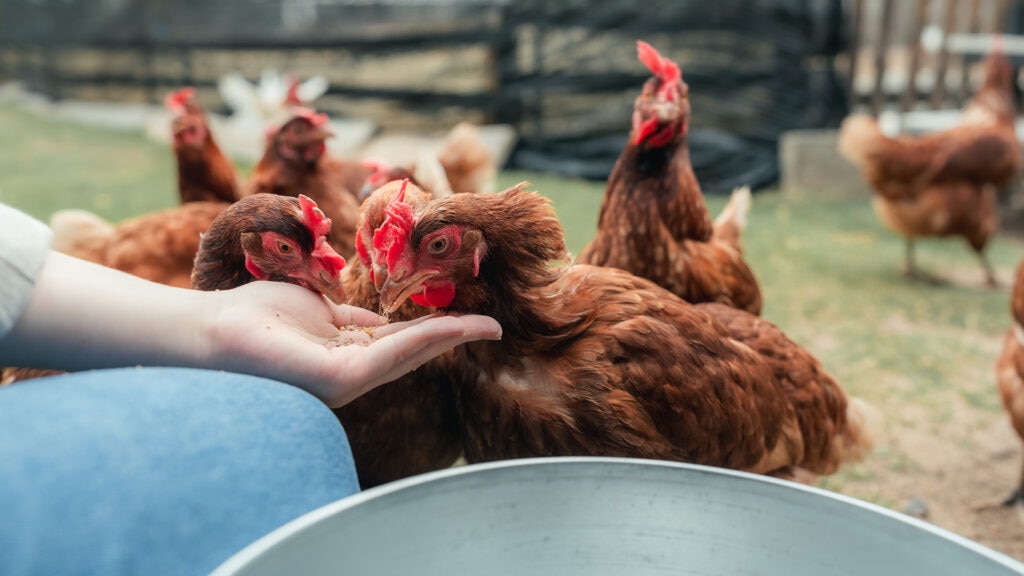
Photo by whitebalance.space/E+ via Getty Images
You’ve probably heard the old warning that feeding rice to birds can make their stomachs explode. But is there any truth to it? Can chickens eat rice?
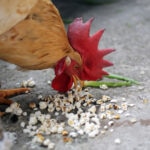
Good news! Chickens can safely eat small amounts of plain, cooked or uncooked rice as an occasional treat. Just make sure they’re still getting most of their nutrition from a balanced diet.
Here’s how to safely share rice with your flock—and why that old rice myth doesn’t hold up.
Before introducing any new food into your chicken’s diet, always check with your veterinarian.
Key Takeaways
- Adult chickens can eat small amounts of plain, cooked or uncooked rice as an occasional treat.
- Despite what you may have heard, uncooked rice won’t expand in a chicken’s stomach and make it explode.
- Skip fried rice, salty sauces, seasonings, and rice that's been left sitting out too long.
- Keep rice and other treats to no more than 10% of your chickens' daily diet, and contact your vet if your chicken develops persistent diarrhea, a swollen crop, difficulty swallowing, or unusual weakness.
Can Chickens Have Rice?
Yes! Chickens can enjoy small amounts of plain white or brown rice. And despite the old myth, uncooked rice won’t make their stomachs explode.
Rice absorbs moisture gradually, and a chicken’s digestive system is equipped to break down grains. And research has shown that chickens can digest raw rice, so there’s no need to cook it before offering a little to your flock.
Just skip fried rice, creamy rice, and flavored rice mixes, which often contain added salt, oils, and seasonings. If you’re making rice for yourself, set a little aside before adding anything extra.
You can also treat your flock to snacks made just for chickens, like:
Recommended Products
Is Rice Good for Chickens?
Rice may be a simple snack, but it does have a couple of things to offer your chickens:
- A source of energy: Rice is rich in carbohydrates, which help fuel your chickens’ everyday activities, from scratching around the yard to exploring the coop.
- Encourages natural foraging: Chickens love to scratch and peck around for food. Scattering a little rice gives them something new to hunt for, keeping them busy while encouraging their natural foraging instincts.
Is Rice Bad for Chickens?
Rice itself isn’t bad for chickens, but feeding them too much or sharing the wrong kind can cause problems.
Here’s what can turn an otherwise harmless treat into a problem:
- Too much rice: Chickens who fill up on rice may eat less of their regular feed, leaving them short on important nutrients like protein, vitamins, and minerals. Over time, that can affect their health and egg production.
- Salt and seasonings: That leftover takeout rice might be tempting to share, but it’s best to keep it for yourself. Fried rice and other prepared dishes often contain lots of salt, oil, and seasonings. Too much salt can make chickens sick, and extra fat adds calories without much nutritional value.
- Spoiled rice: Cooked rice can grow harmful bacteria if you leave it sitting at room temperature for too long. Stick with freshly cooked rice or leftovers you’ve refrigerated promptly, and toss anything that’s been sitting out.
How Much Rice Can Chickens Eat?
Rice counts toward your chickens’ daily treats, and, as a general rule, all treats combined should make up no more than 10% of their diet.
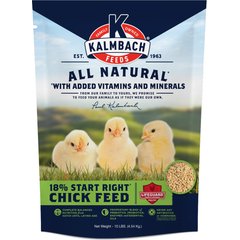
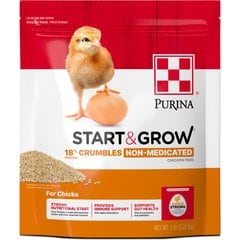
For baby chicks, it’s best to skip rice and stick with a balanced chick starter feed to support their growth.
Recommended Products
How To Safely Feed Rice to Chickens
Whether you’re sharing leftover rice or making a little extra for your flock, here’s how to serve it safely:
- Cook plain rice—no seasonings.
- Let freshly cooked rice cool completely before serving.
- Fluff cooked rice with a fork to separate any sticky clumps.
- Offer a small amount in a clean dish or scatter it in a clean, dry area for your chickens to peck at.
- Remove uneaten cooked rice promptly to prevent spoilage and avoid attracting pests.
My Chicken Ate Too Much Rice—What Do I Do?
If your chicken eats more rice than they should, there’s usually no reason to worry. Extra plain rice isn’t typically an emergency.
Remove any remaining rice and keep an eye on your chicken over the next several hours. Make sure they have access to fresh water and their usual feed, and watch for changes in their appetite, droppings, or behavior.
If your chicken develops persistent diarrhea, seems unusually weak, has trouble swallowing, or has a swollen crop that isn’t emptying normally, contact your veterinarian. You should also call if they ate rice containing potentially harmful ingredients or spoiled leftovers.
For concerns about poisoning, you can contact Pet Poison Helpline (855-764-7661).
What Other Foods Can Chickens Eat?
Rice isn’t the only kitchen staple you can share with your flock. Chickens can enjoy a variety of foods, including:
- Apples
- Bananas
- Blueberries
- Broccoli
- Cabbage
- Carrots
- Corn
- Cucumbers
- Grapes
- Kale
- Peas
- Pumpkin
- Spinach
- Strawberries
- Watermelon
- Zucchini
Just remember that even healthy snacks should be offered in moderation, with a complete chicken feed making up the majority of your flock’s diet.
Recommended Products
FAQs About Rice for Chickens
Can chickens eat uncooked rice?
Yes! Chickens can safely eat small amounts of uncooked rice. Despite the old myth, dry rice won’t swell up inside their stomachs. Chickens have a muscular organ called a gizzard that helps grind up food, including grains.
Can chickens eat brown rice?
Absolutely. Brown rice is safe for chickens, whether cooked or uncooked. It contains more fiber than white rice, but it should still be an occasional treat rather than a replacement for their regular feed.
Can chickens eat fried rice?
No, chickens shouldn’t eat fried rice. Fried rice often contains soy sauce, which is high in sodium, along with added oils and seasonings. Too much salt can be harmful to chickens, and the extra fat adds unnecessary calories. Stick with plain rice instead.
Can baby chicks eat rice?
Baby chicks are better off sticking with a complete chick starter feed, which provides the protein and other nutrients they need to grow. Save rice and other treats for when they’re older and established on their regular feed.
Attributions
This article was created with assistance from AI tools. The content has been reviewed for accuracy and edited by a human.